

1963 Land Rover Series IIA 88” Station Wagon – 2.25 Petrol – Galvanised Chassis
£17,995
I’m selling my 1963 Land Rover Series IIA 88” Station Wagon after many years of ownership and a considerable amount of work and investment.
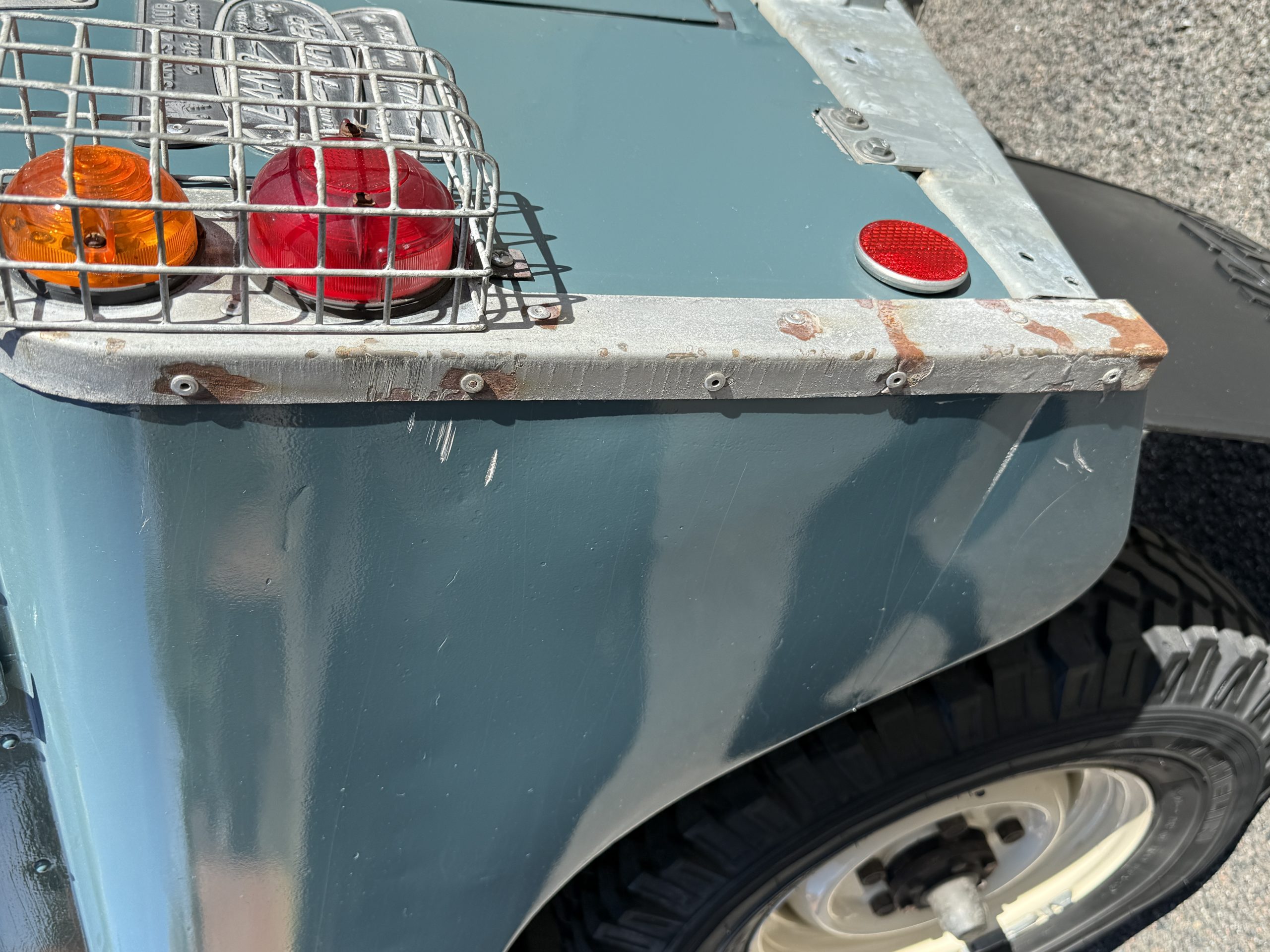
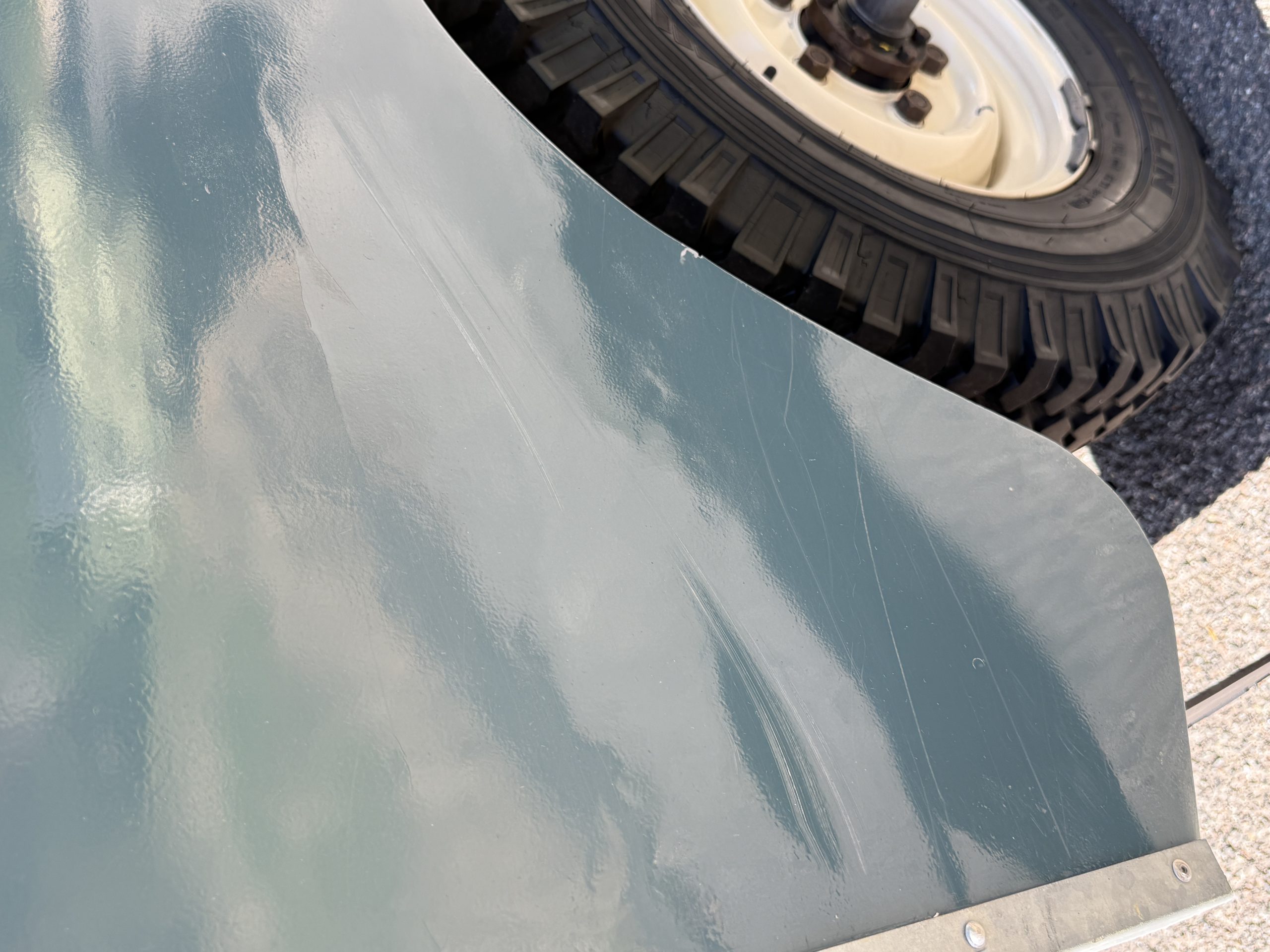
This isn’t a freshly restored show vehicle and I don’t want to present it as one. It was comprehensively rebuilt and upgraded in 2017/18 and has subsequently been used and enjoyed as a Land Rover should be. As a result, the paintwork now has plenty of scratches, chips and other signs of use.
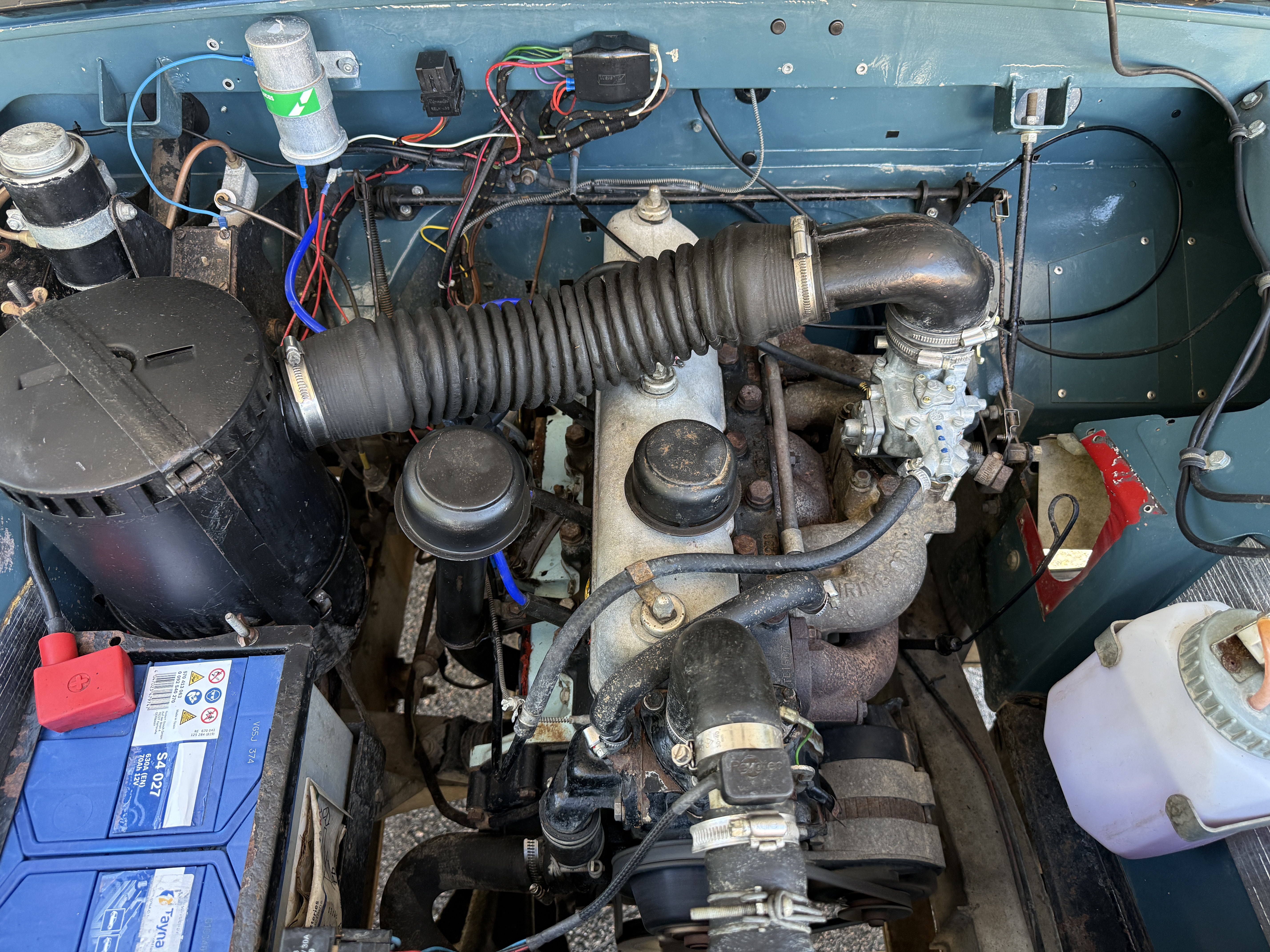
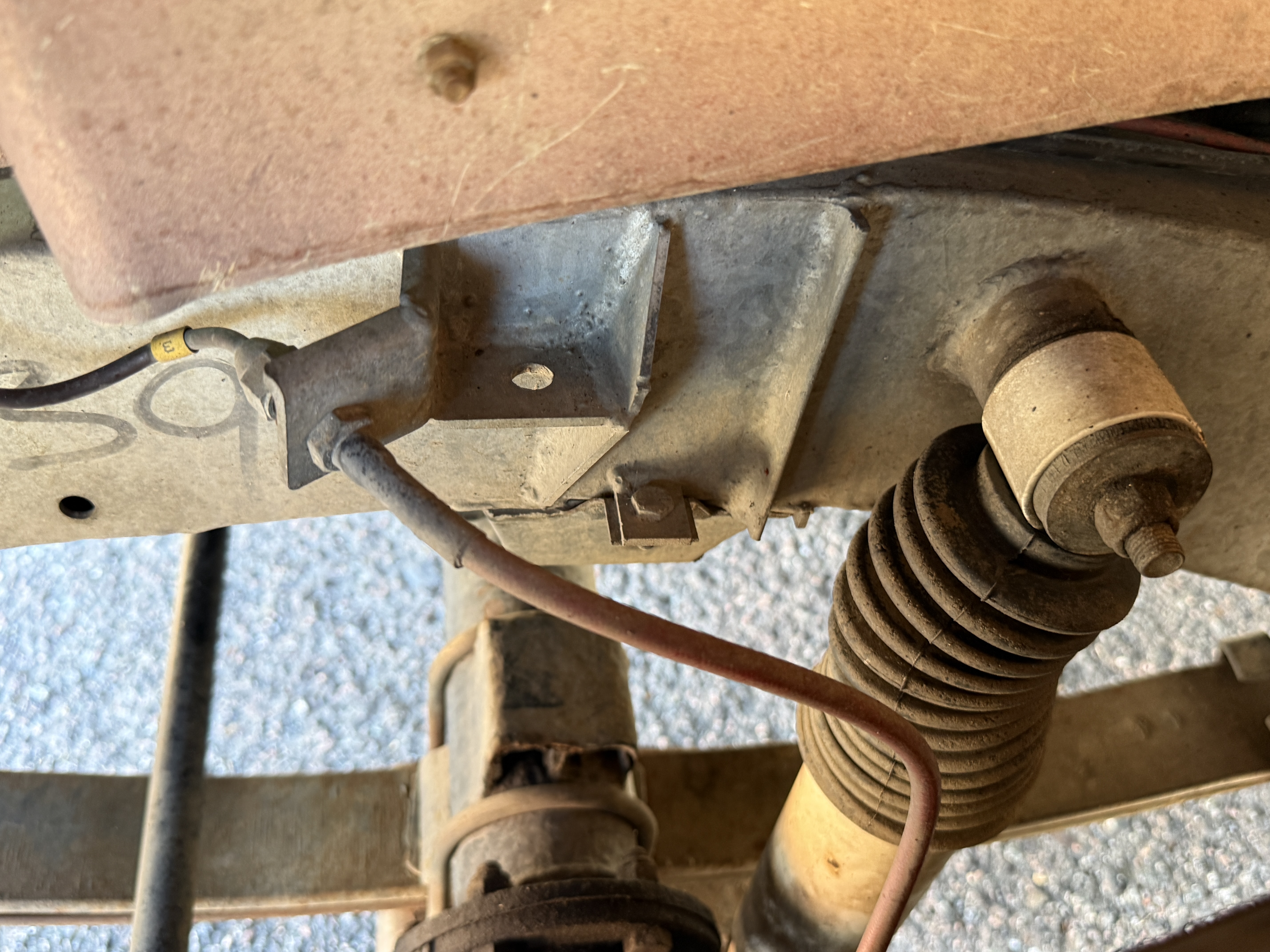
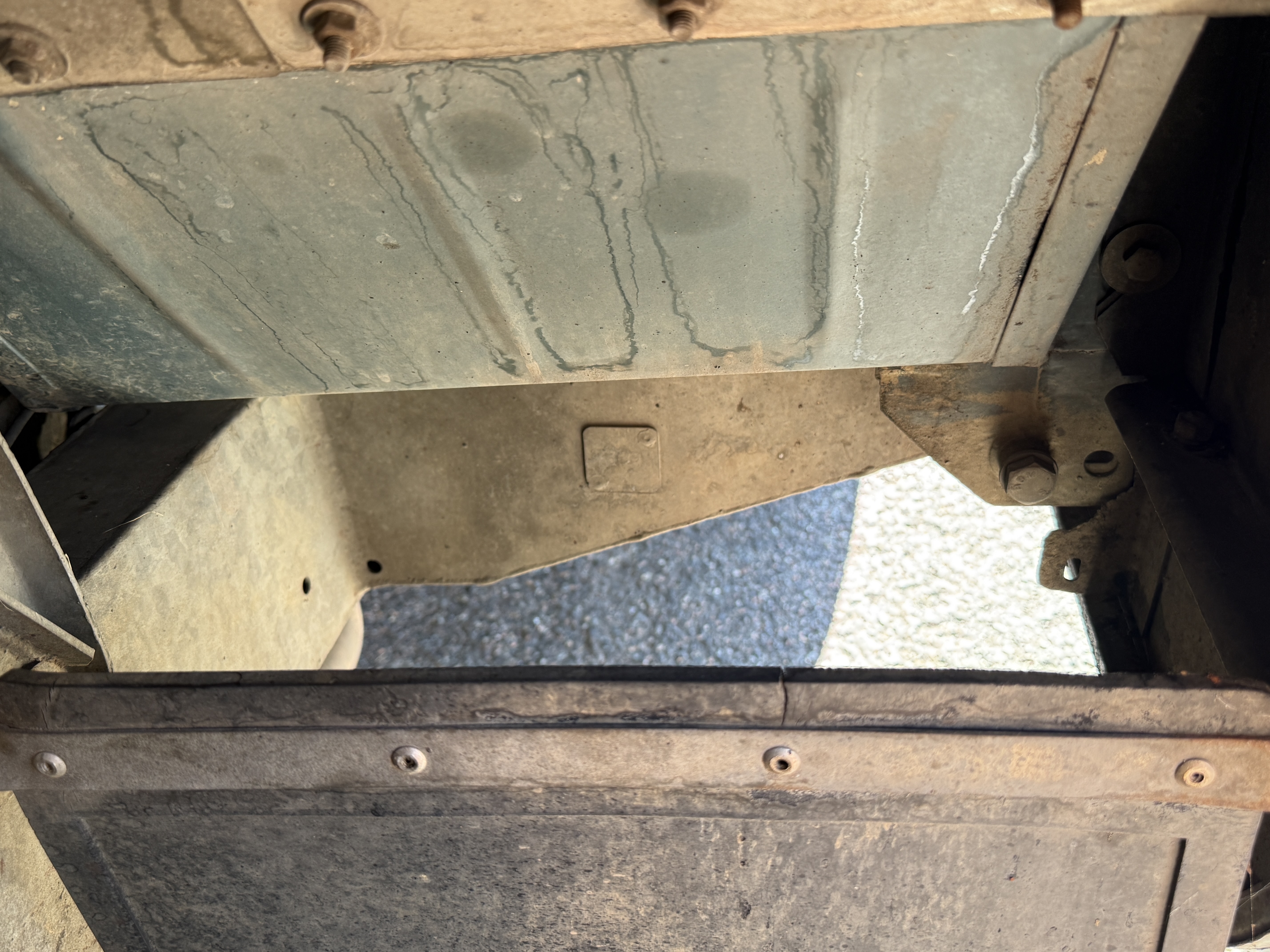
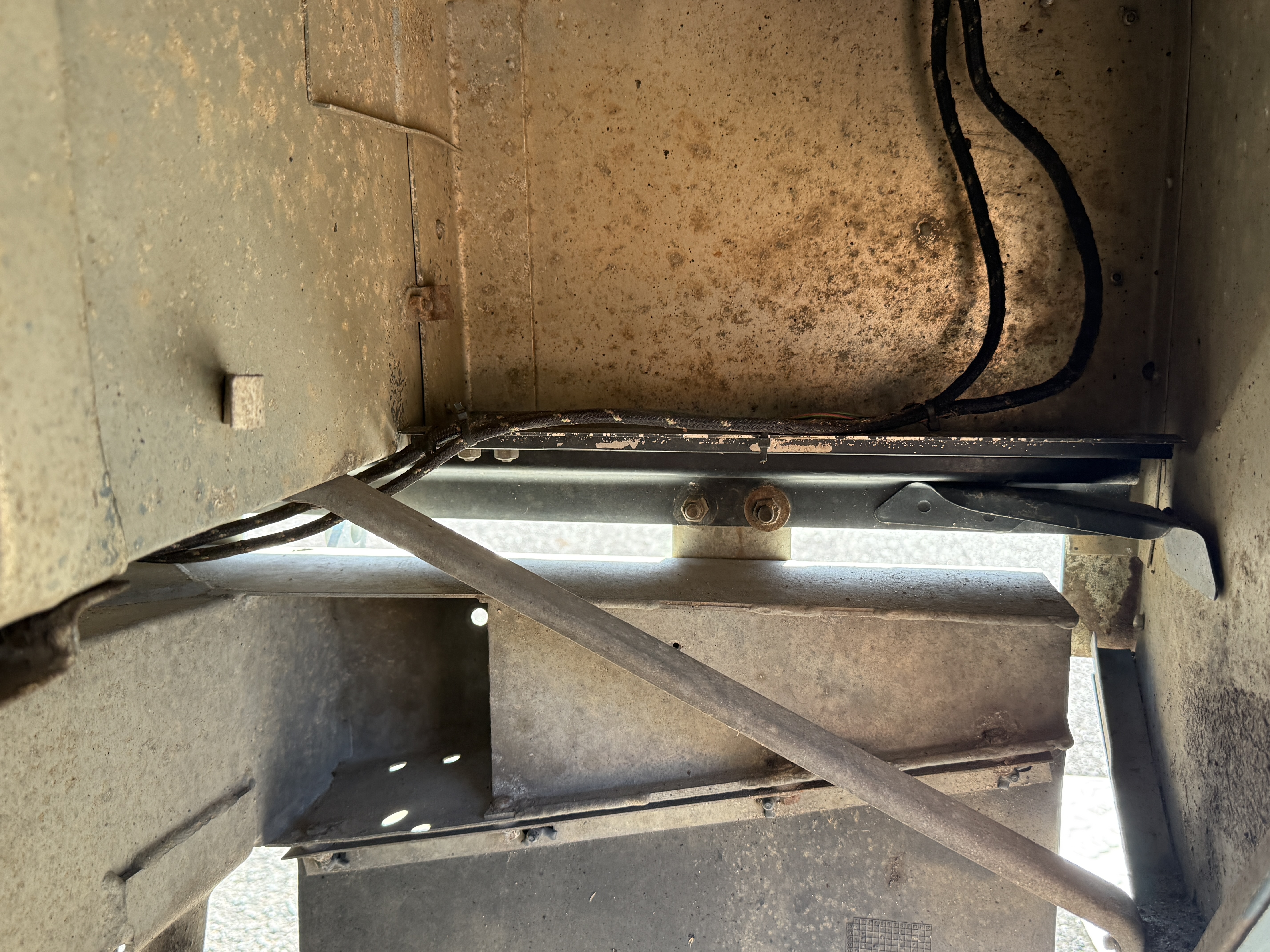
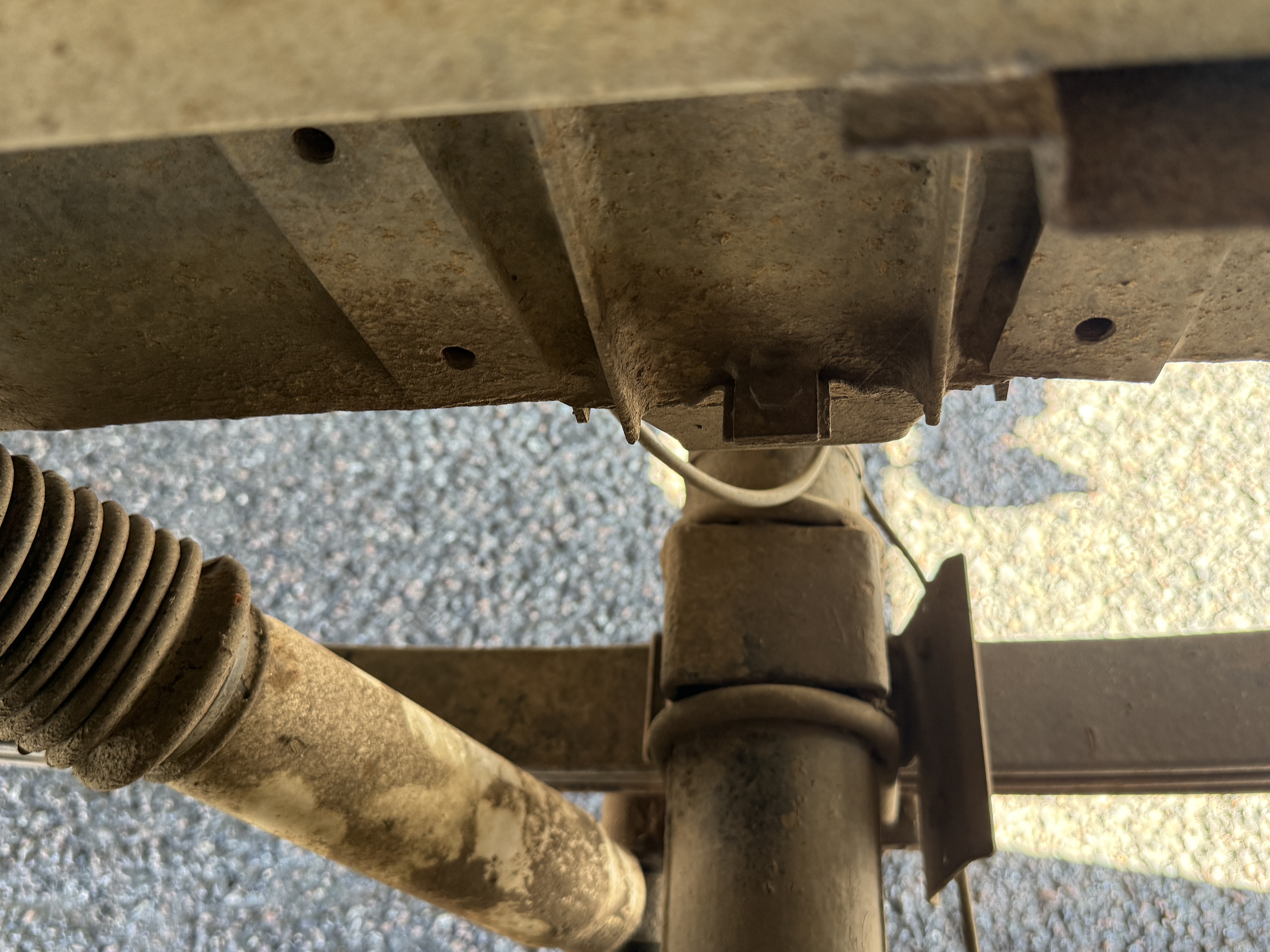
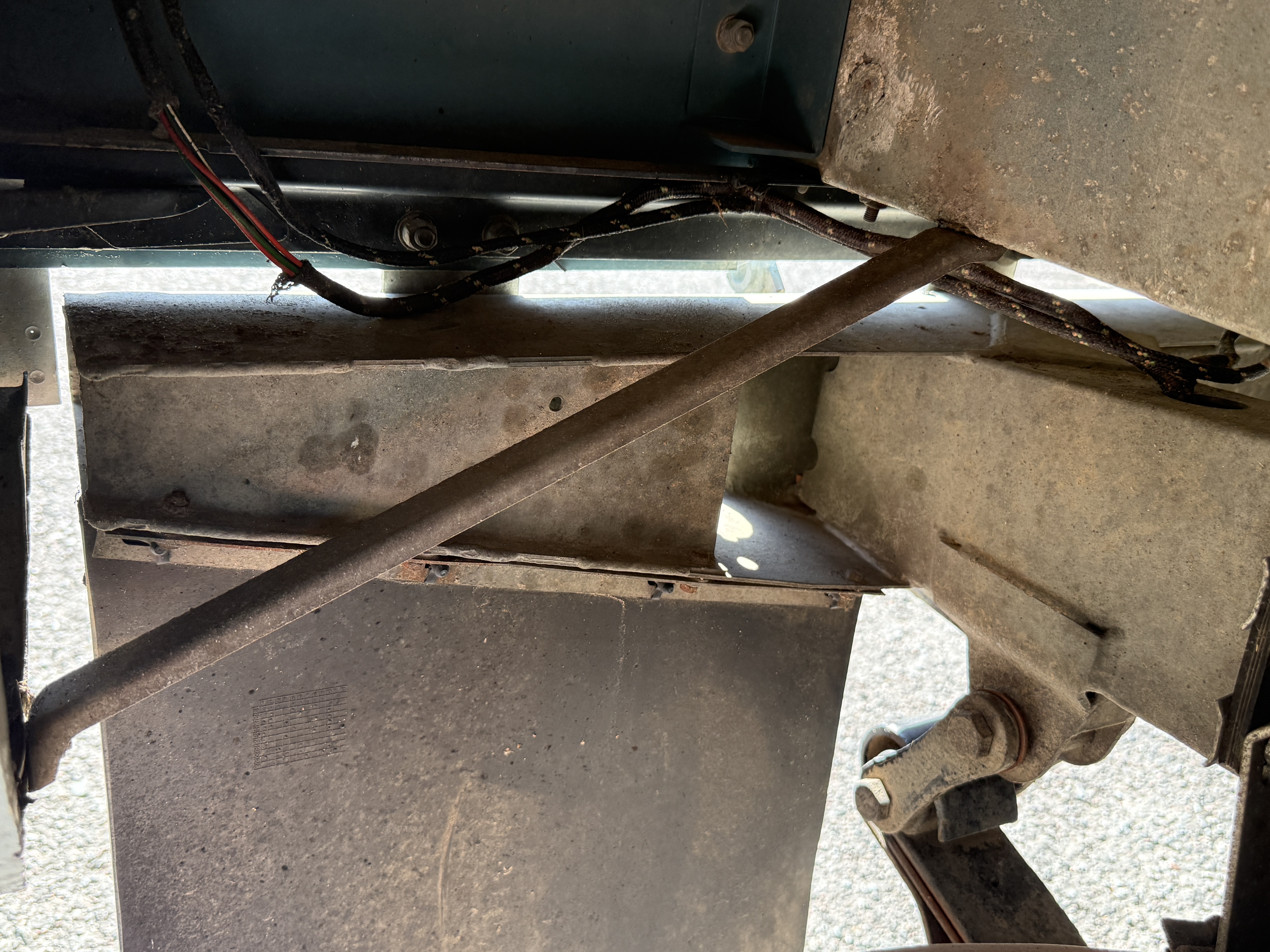
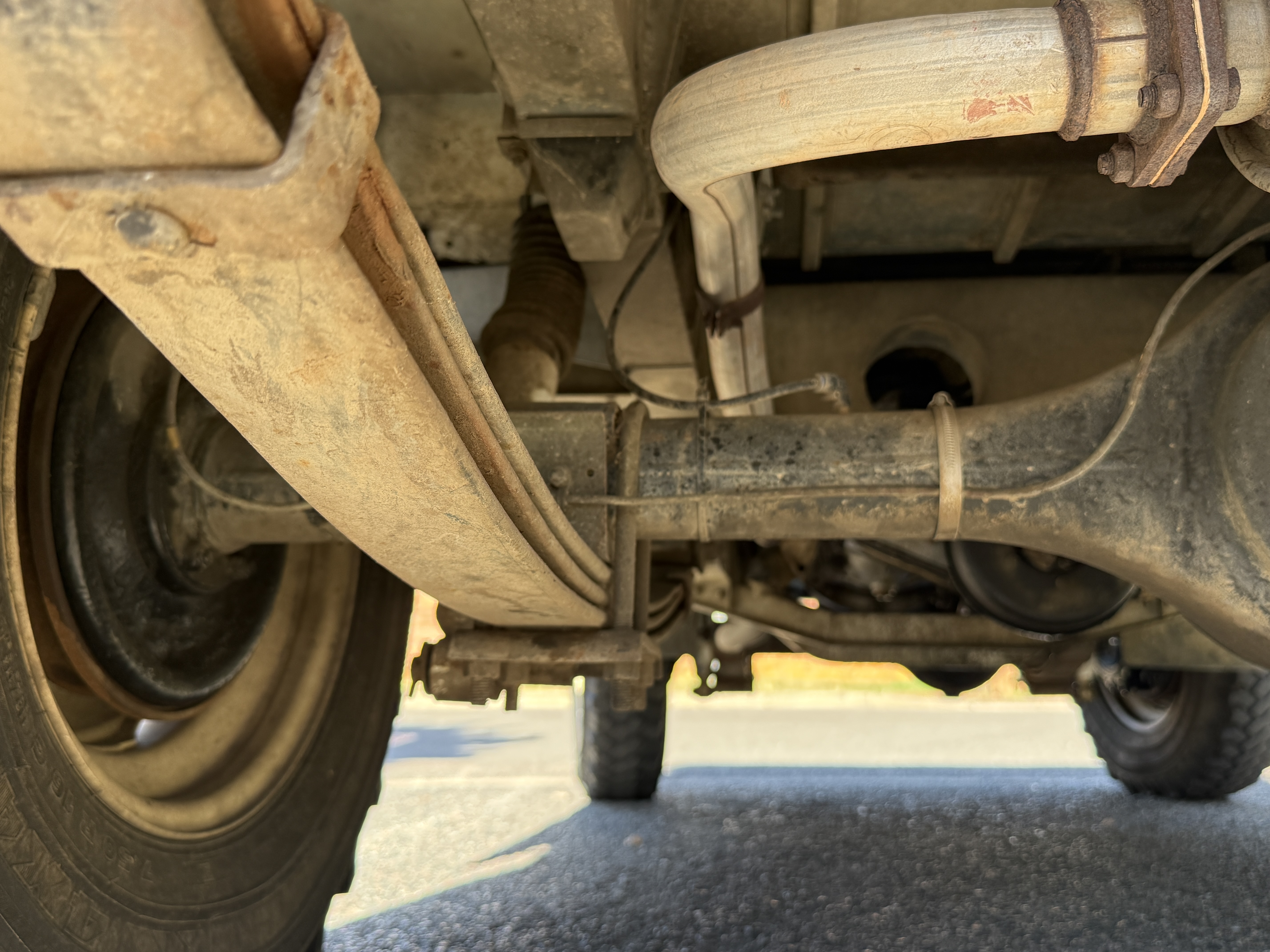
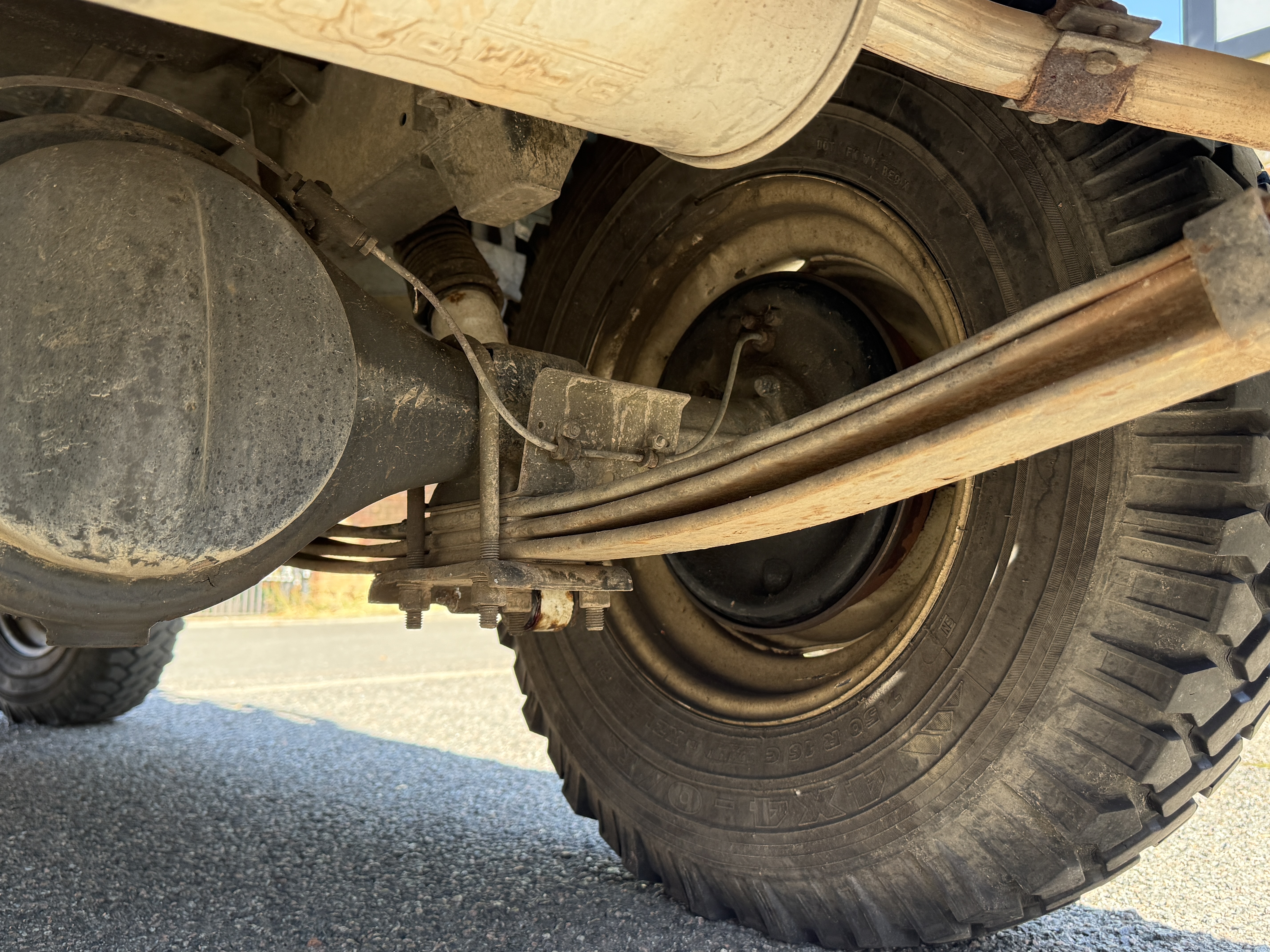
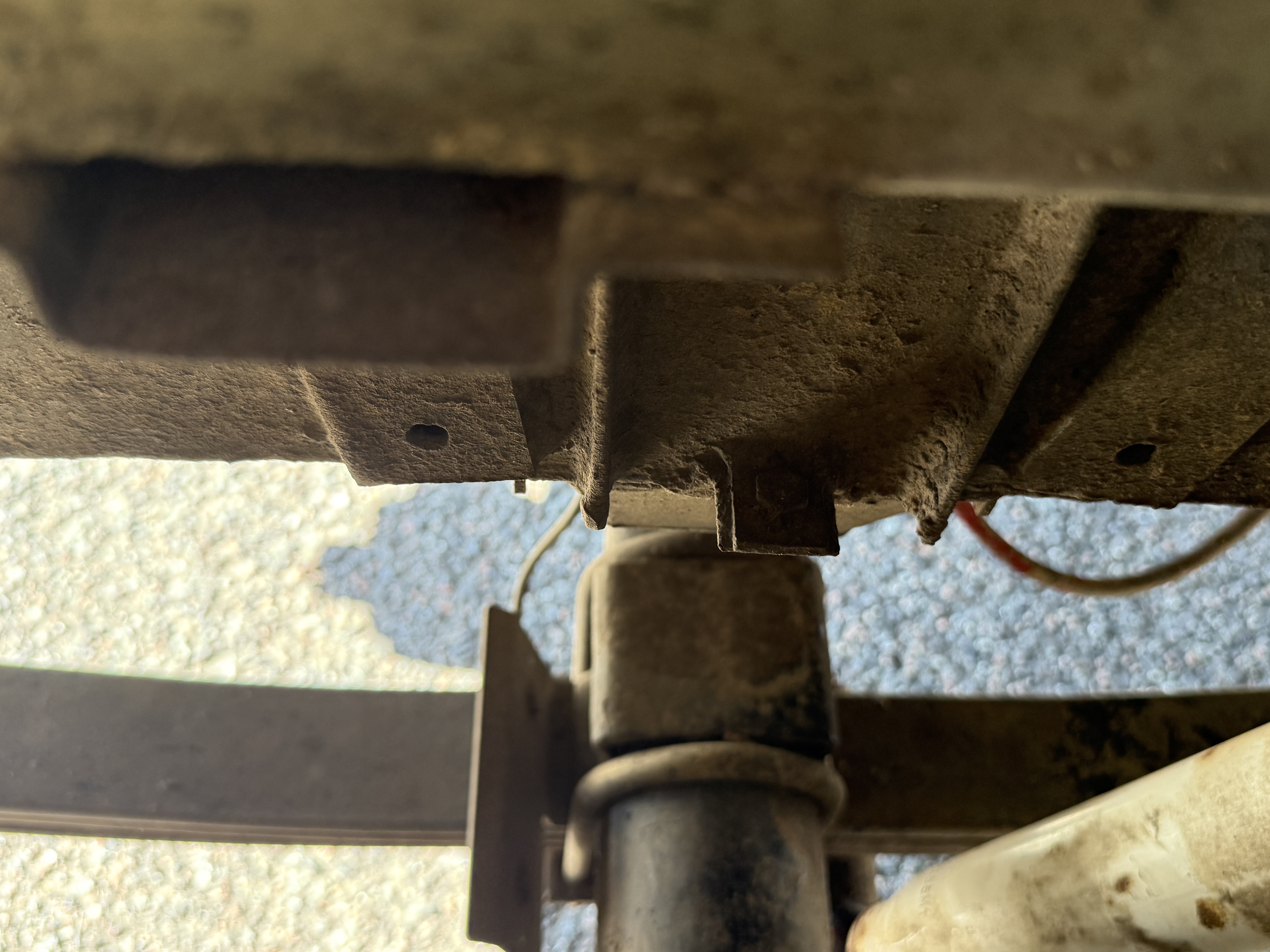
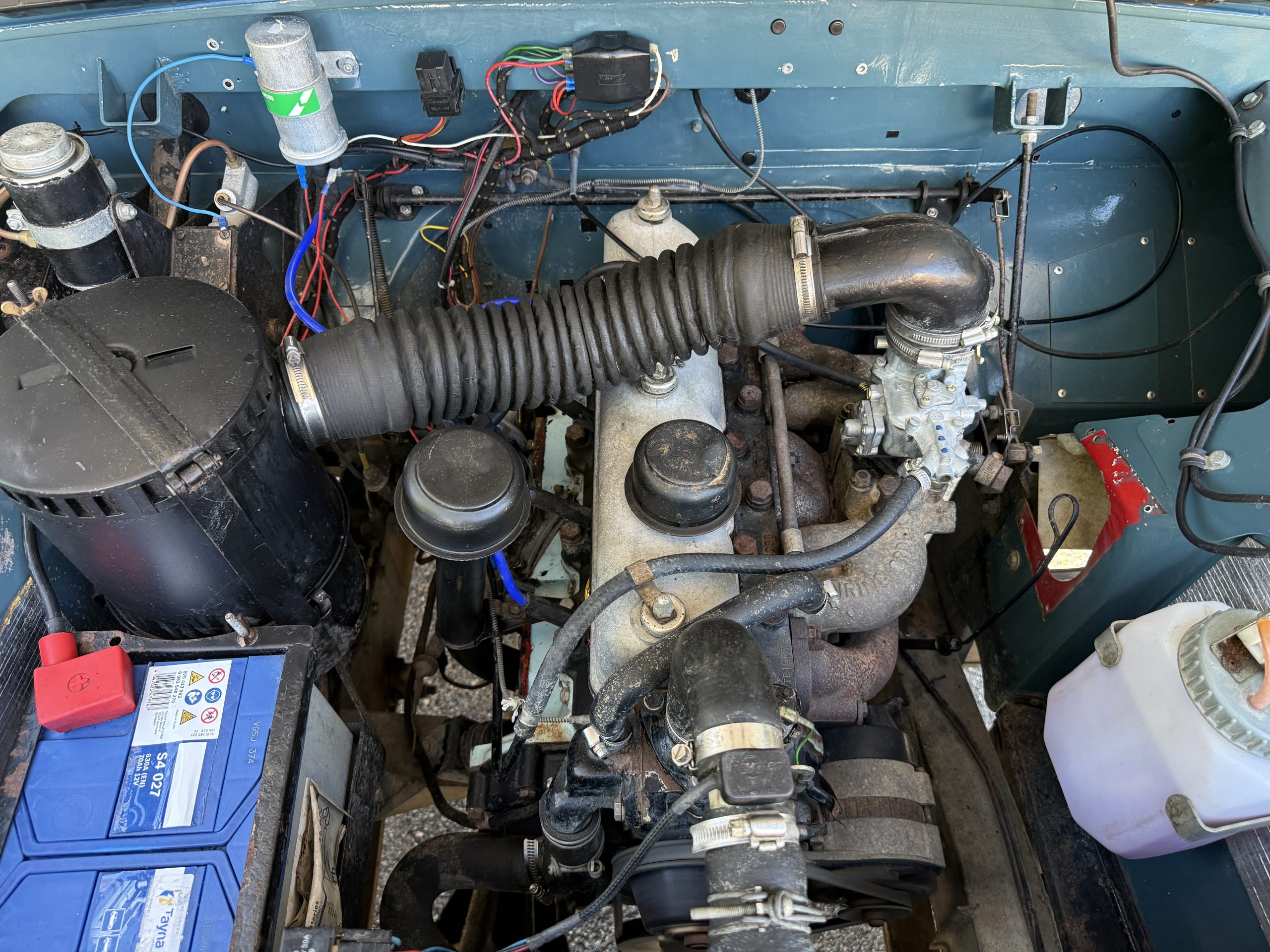
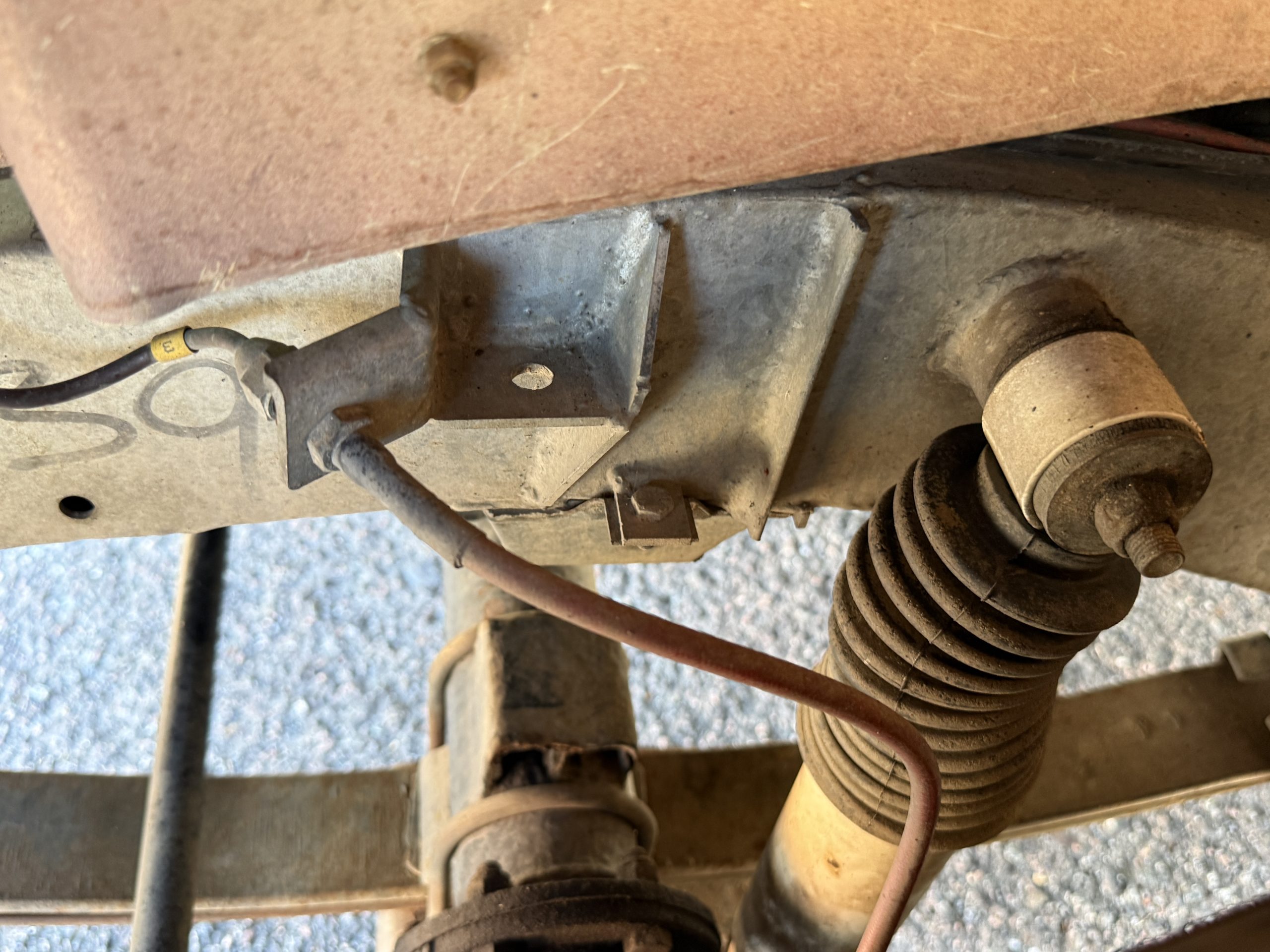
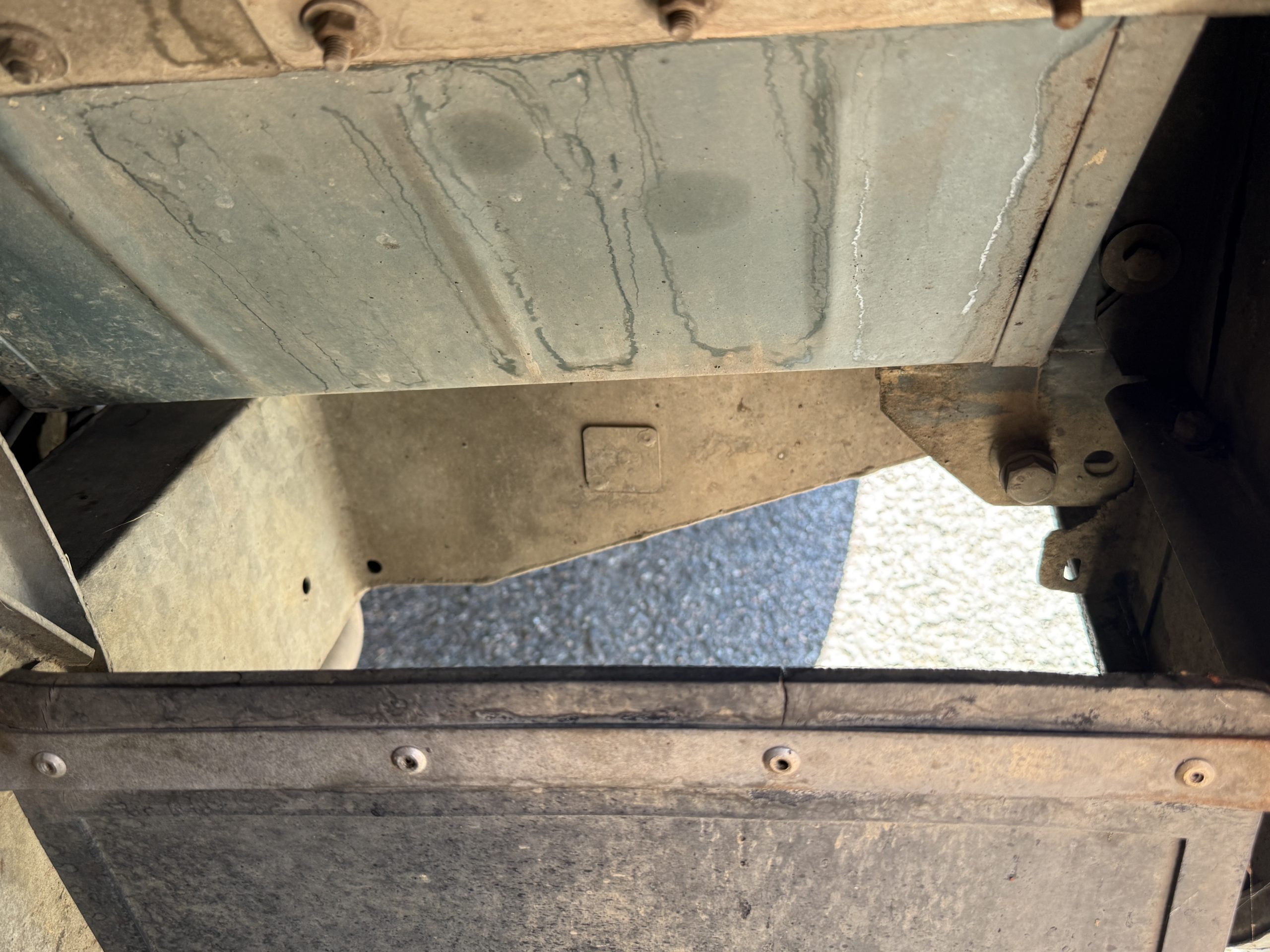
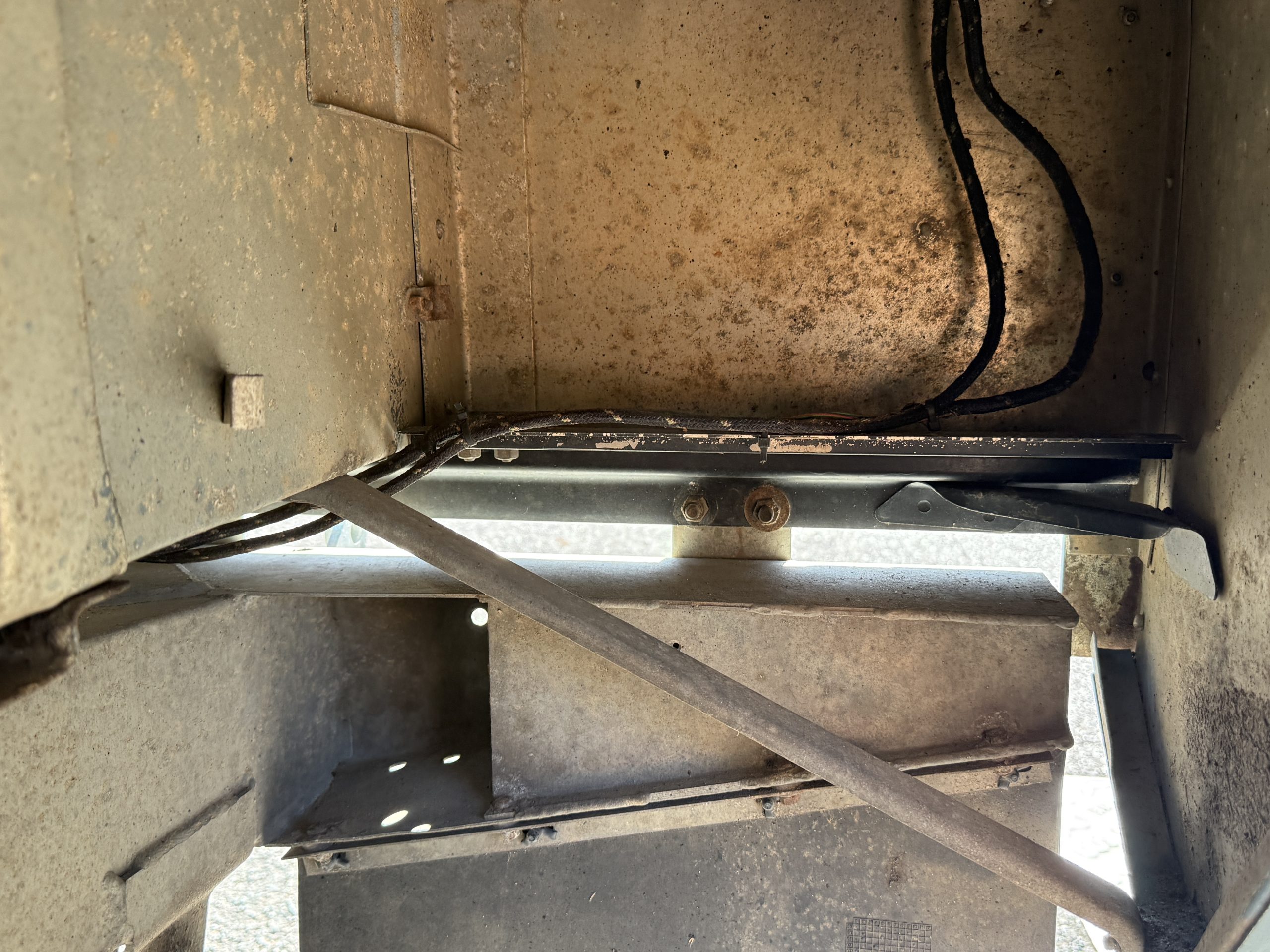
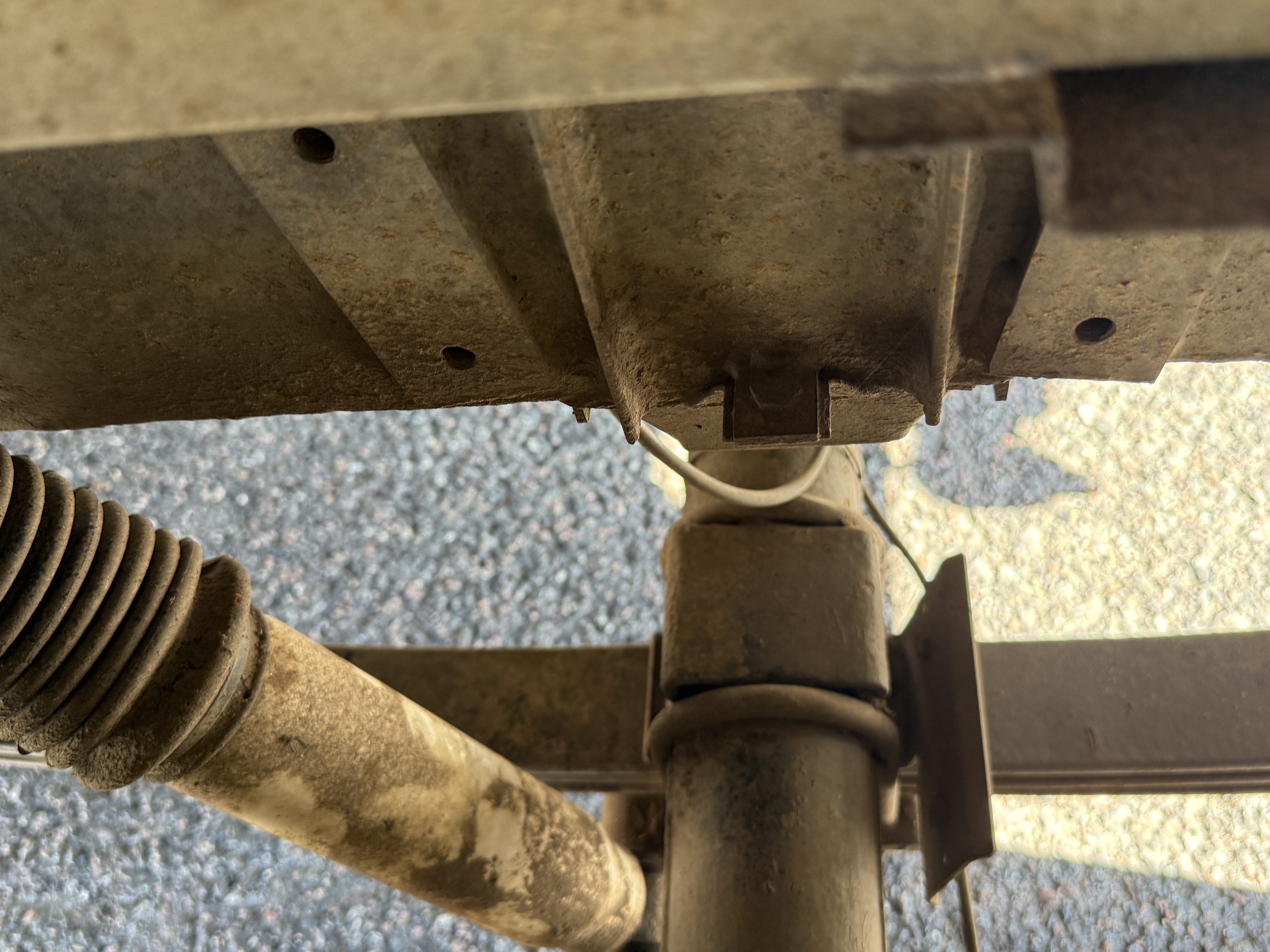
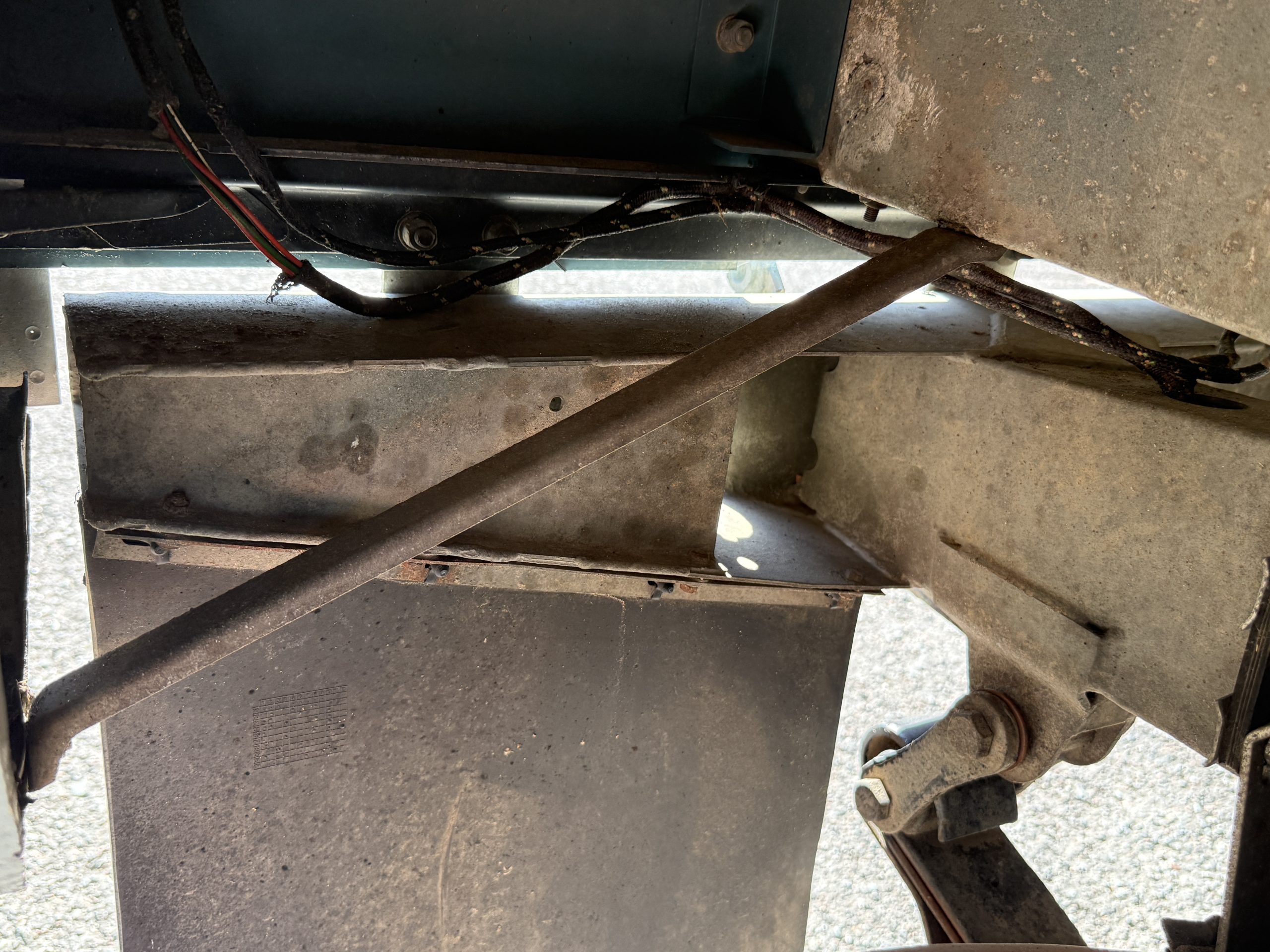
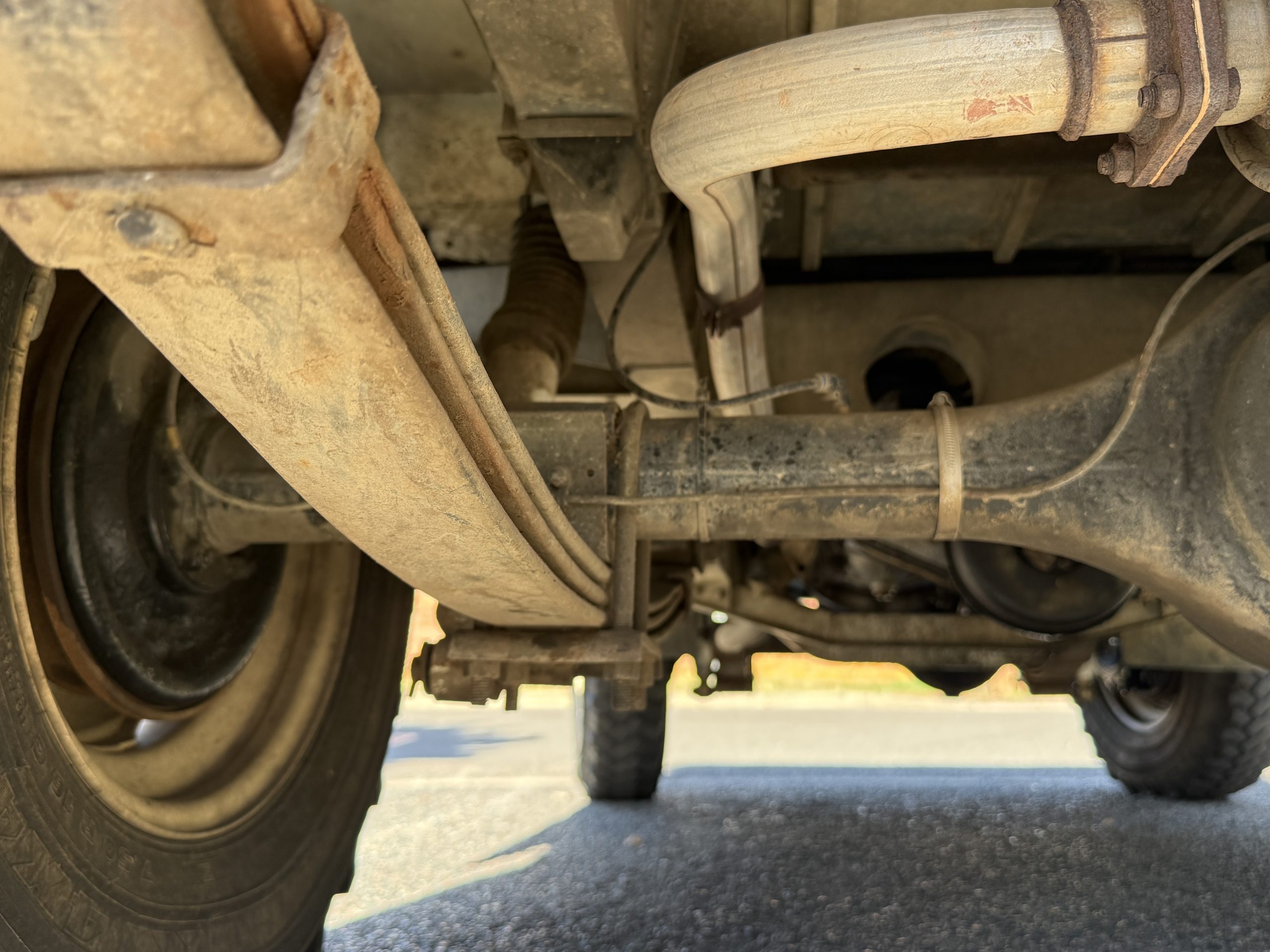
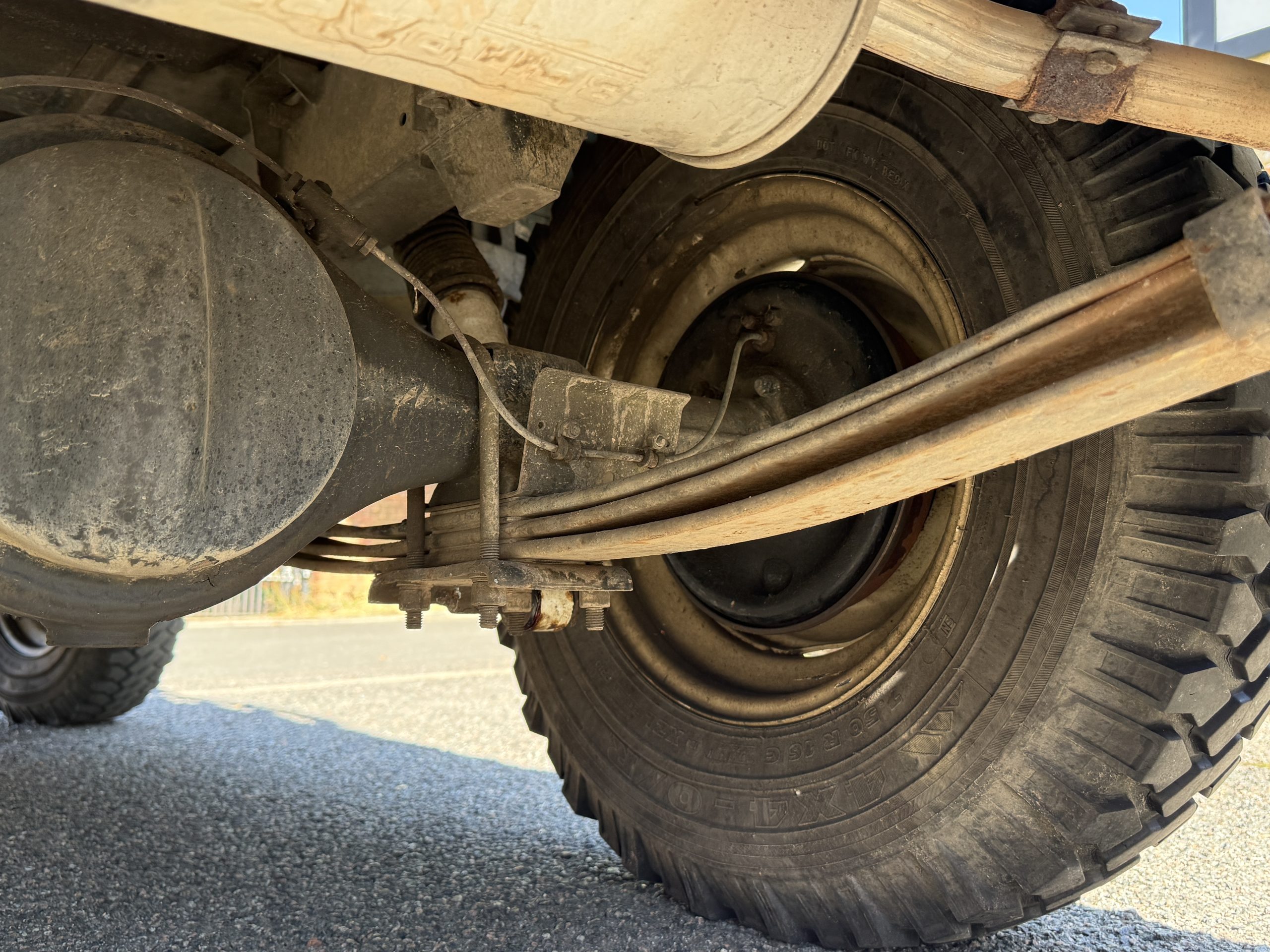
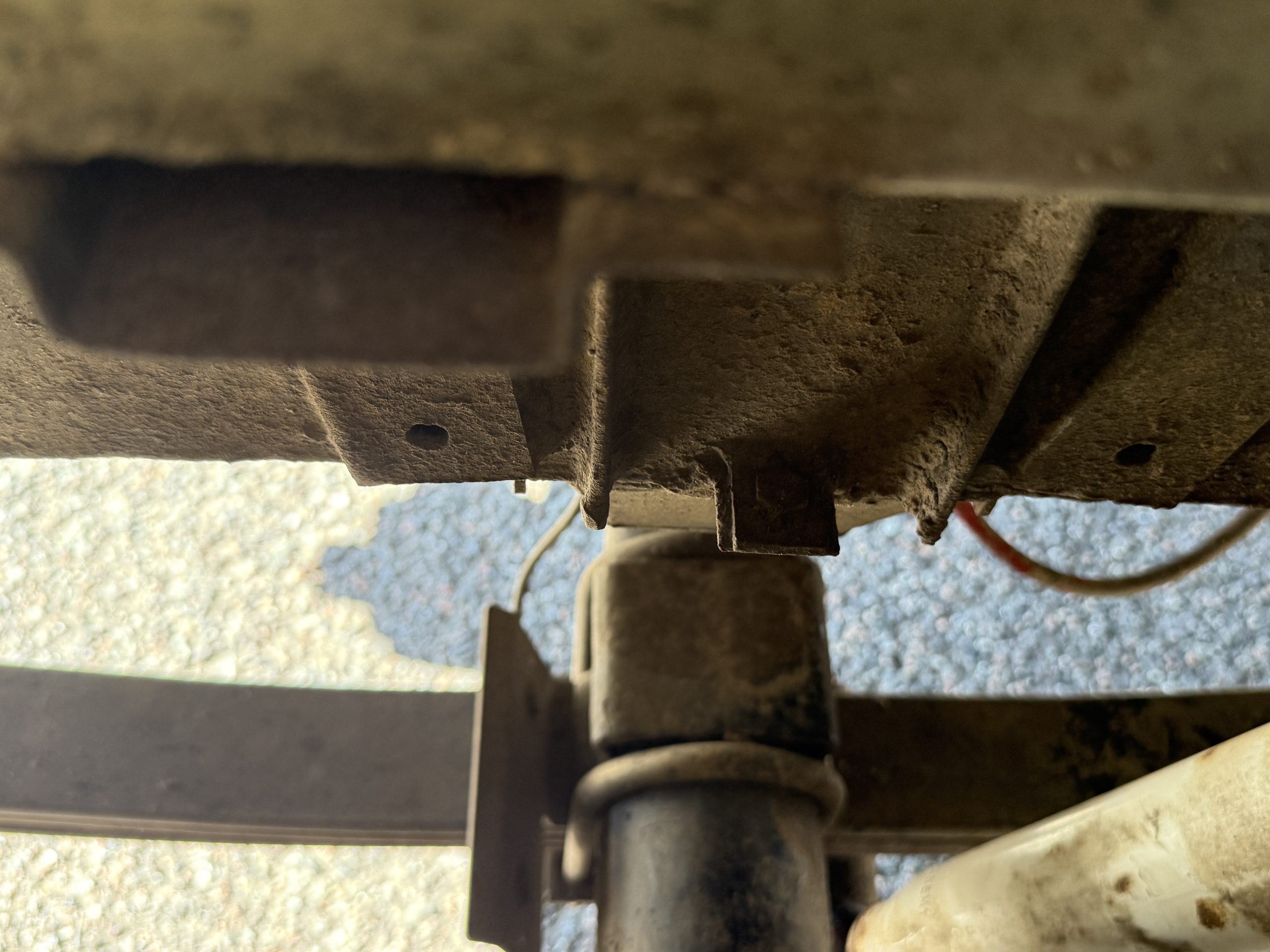
Underneath the cosmetics, however, is a very well-sorted and extensively upgraded Series IIA, with a Richards galvanised chassis, restored and galvanised bulkhead, Turner Engineering rebuilt 2.25 petrol engine, rebuilt gearbox, RoamerDrive and a long list of other improvements.
There is a comprehensive history file with invoices and receipts showing expenditure of more than £32,000 during my ownership.
Rebuild and mechanical specification
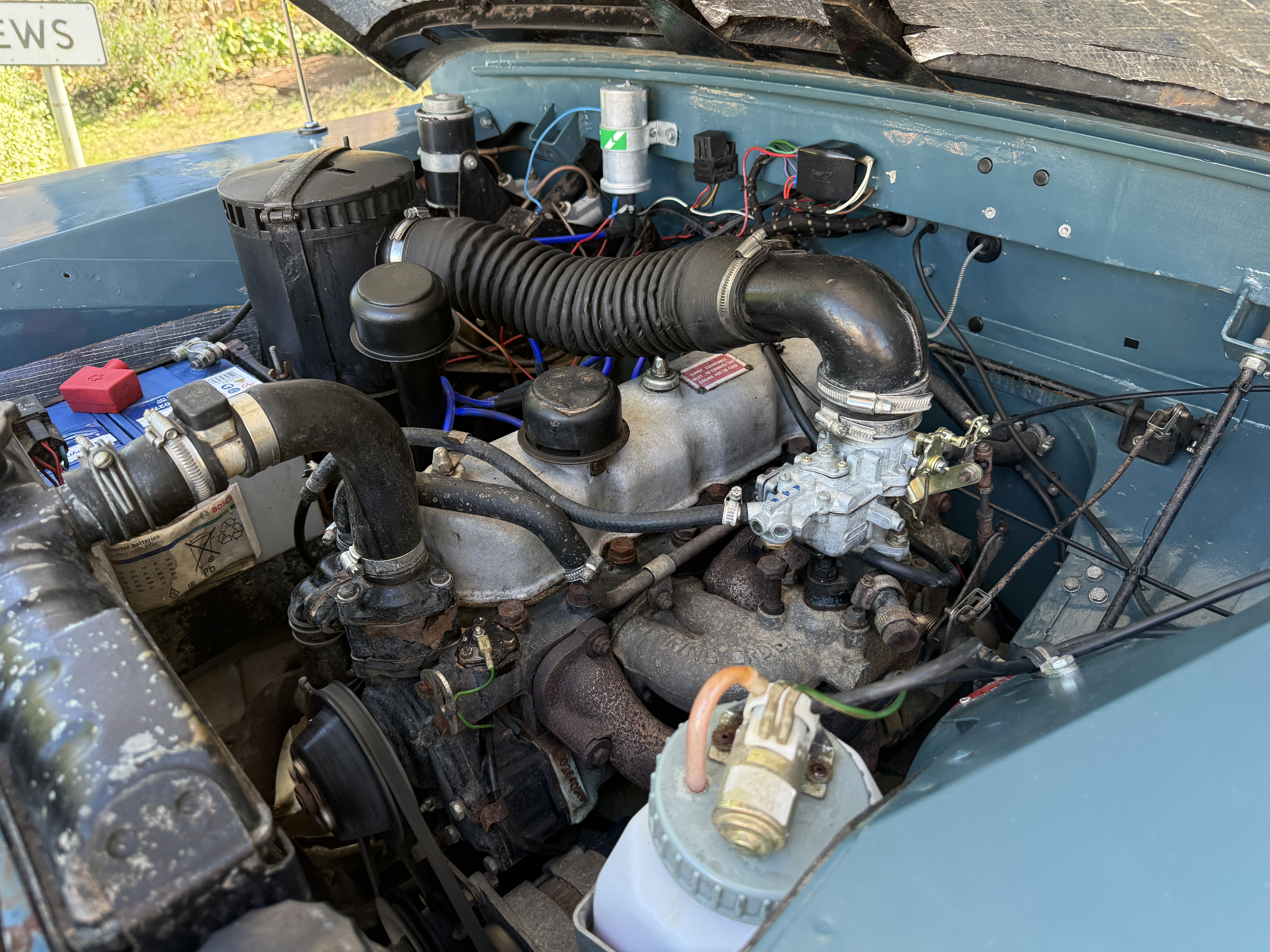
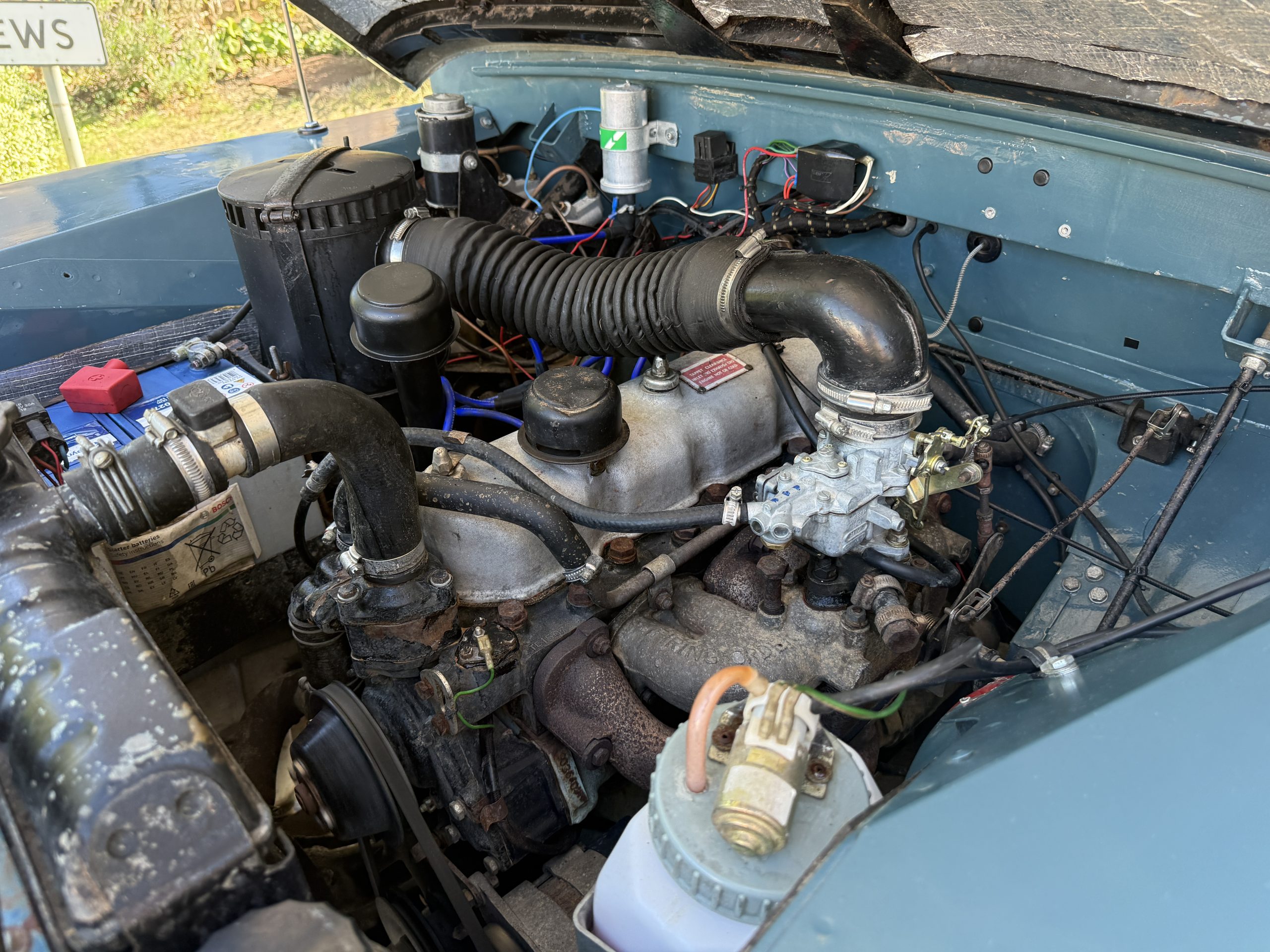
The 2.25-litre petrol engine was professionally rebuilt by Turner Engineering in 2017/18 and fitted with a gas-flowed unleaded cylinder head.
The gearbox has also been professionally rebuilt by Simmonites and the vehicle is fitted with a RoamerDrive, which makes it much more relaxed and usable on longer journeys.
Other mechanical and structural work and upgrades include:
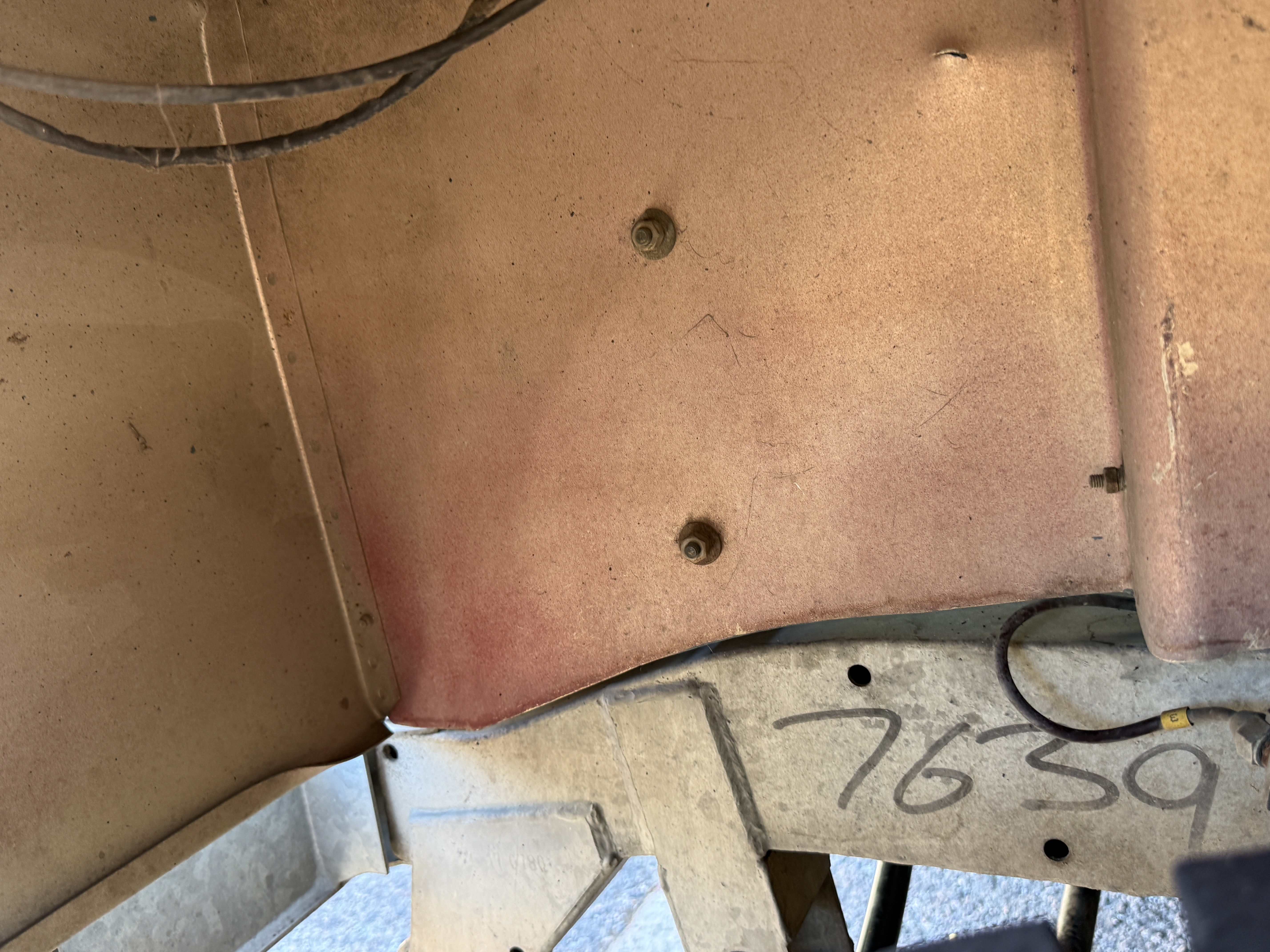
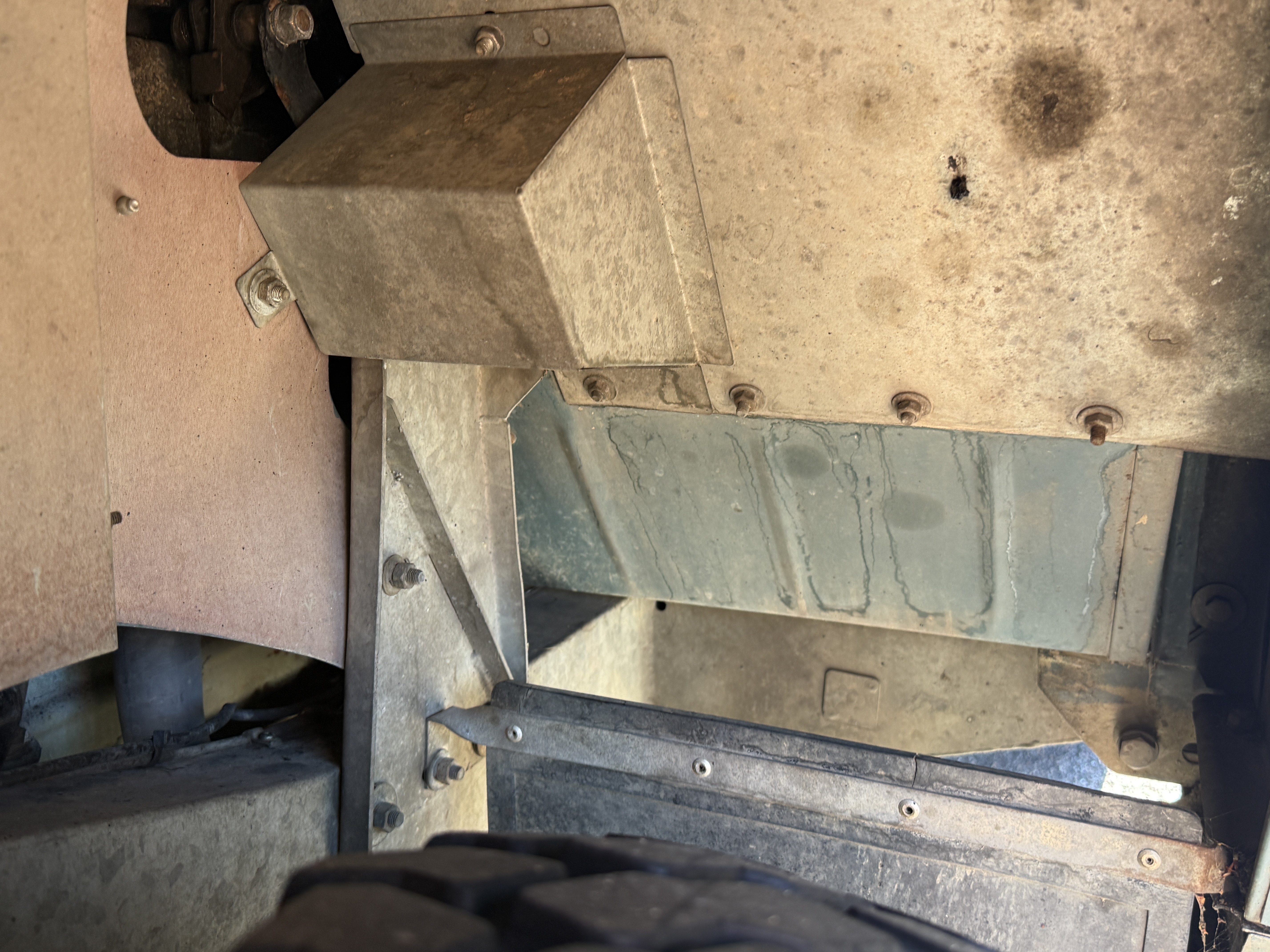
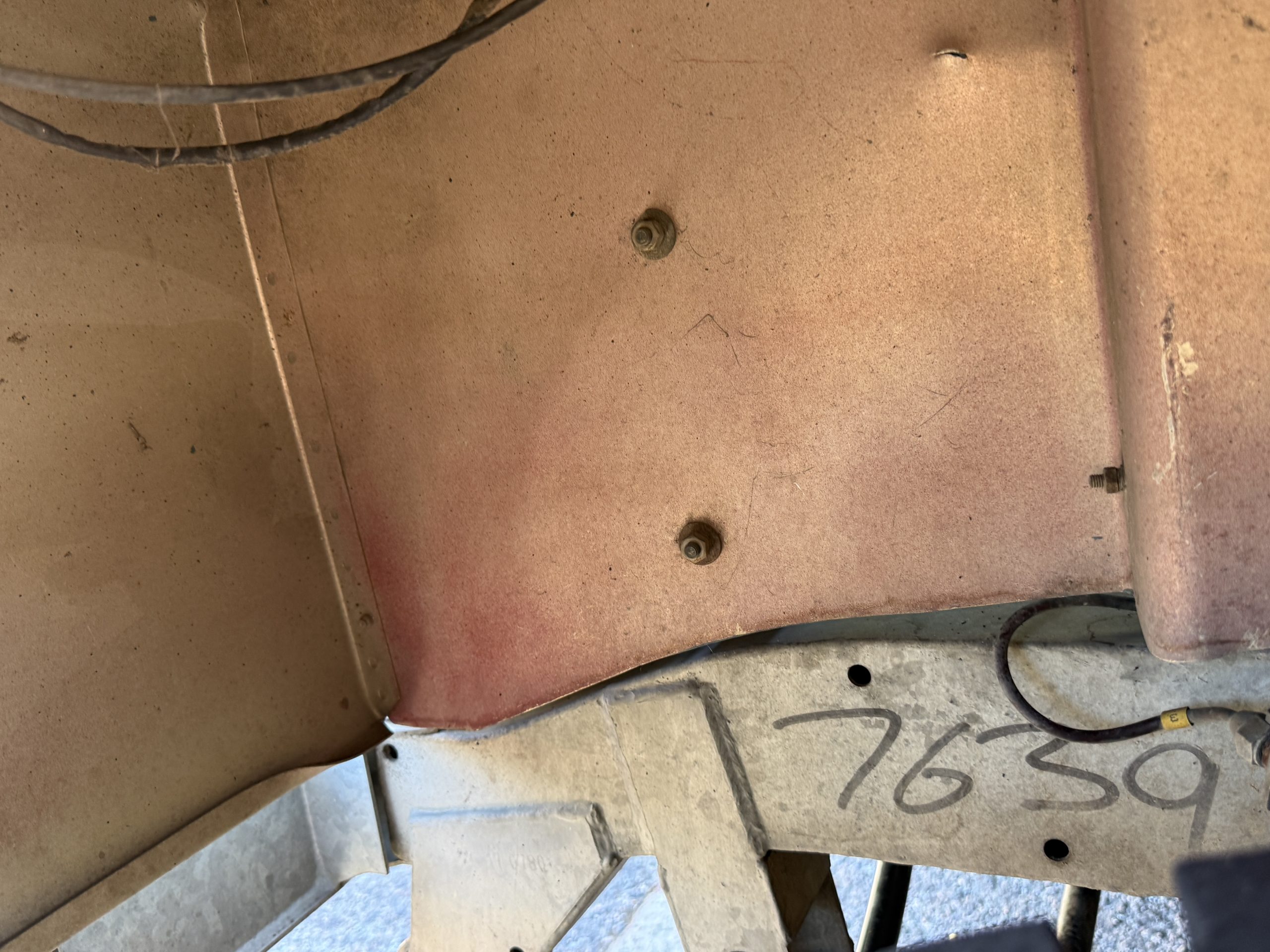
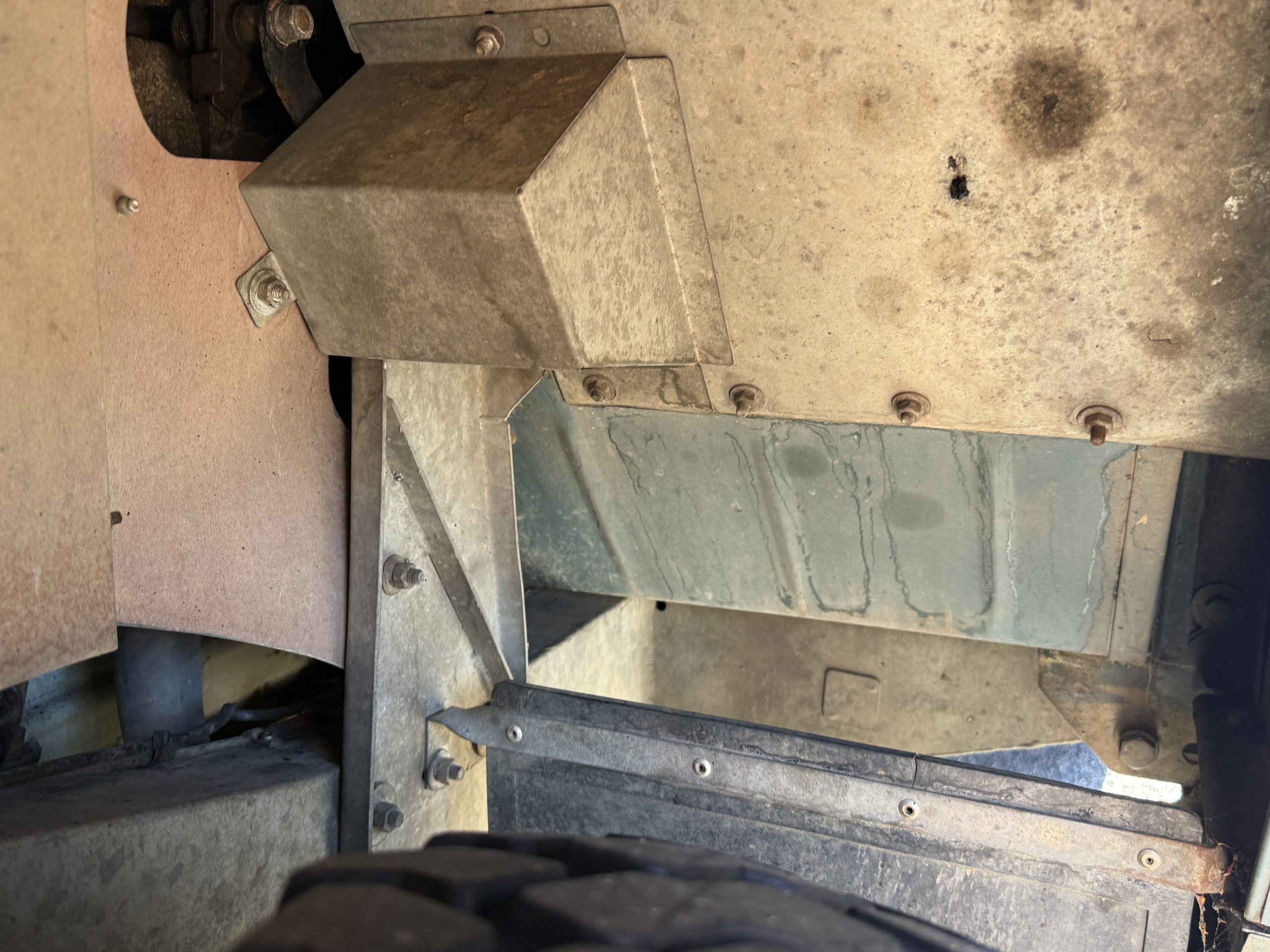
- Richards galvanised chassis
- Restored and galvanised bulkhead
- Turner Engineering rebuilt 2.25 petrol engine
- Gas-flowed unleaded cylinder head
- Simmonites rebuilt gearbox
- RoamerDrive
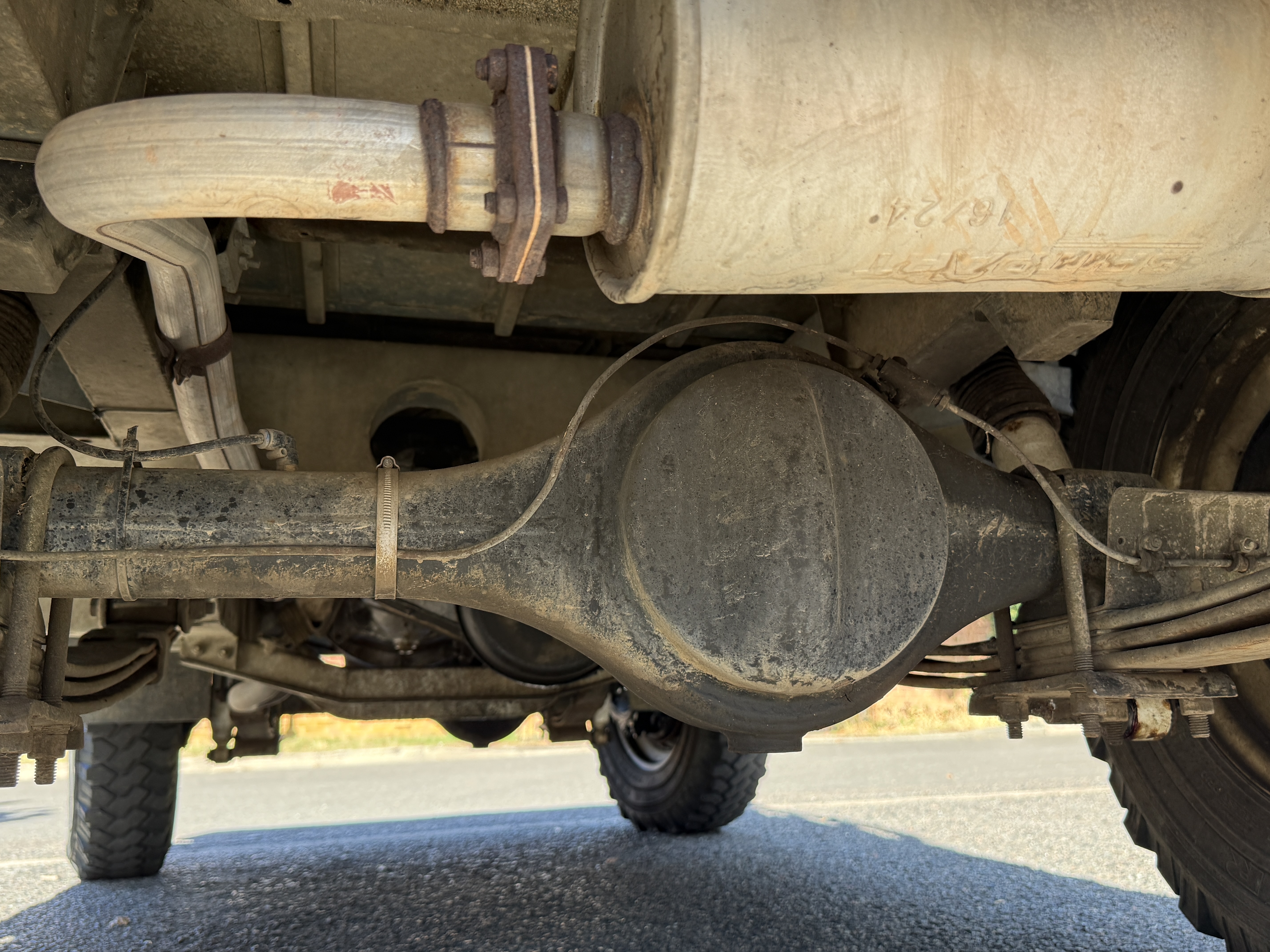
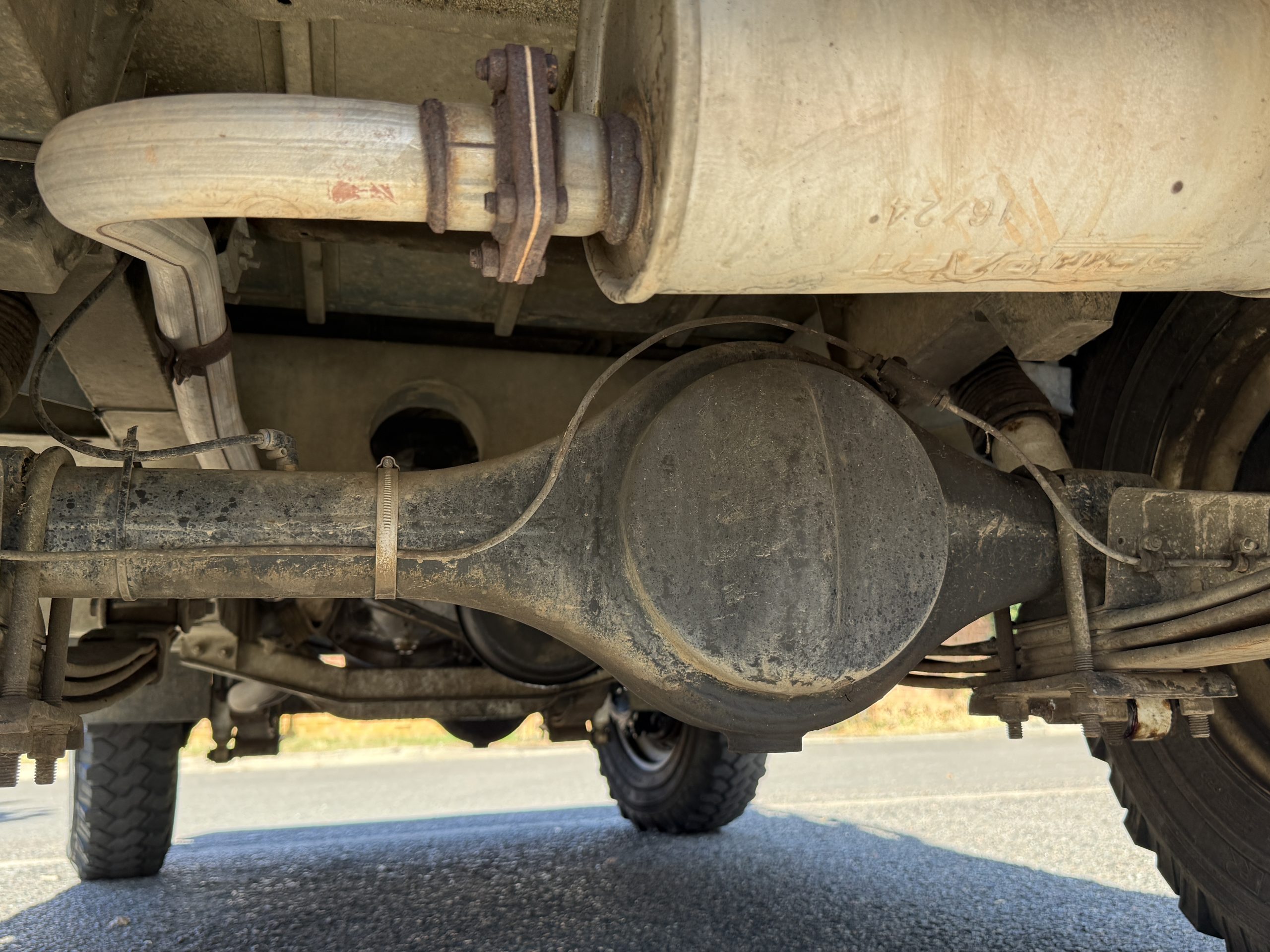
- Limited-slip rear differential
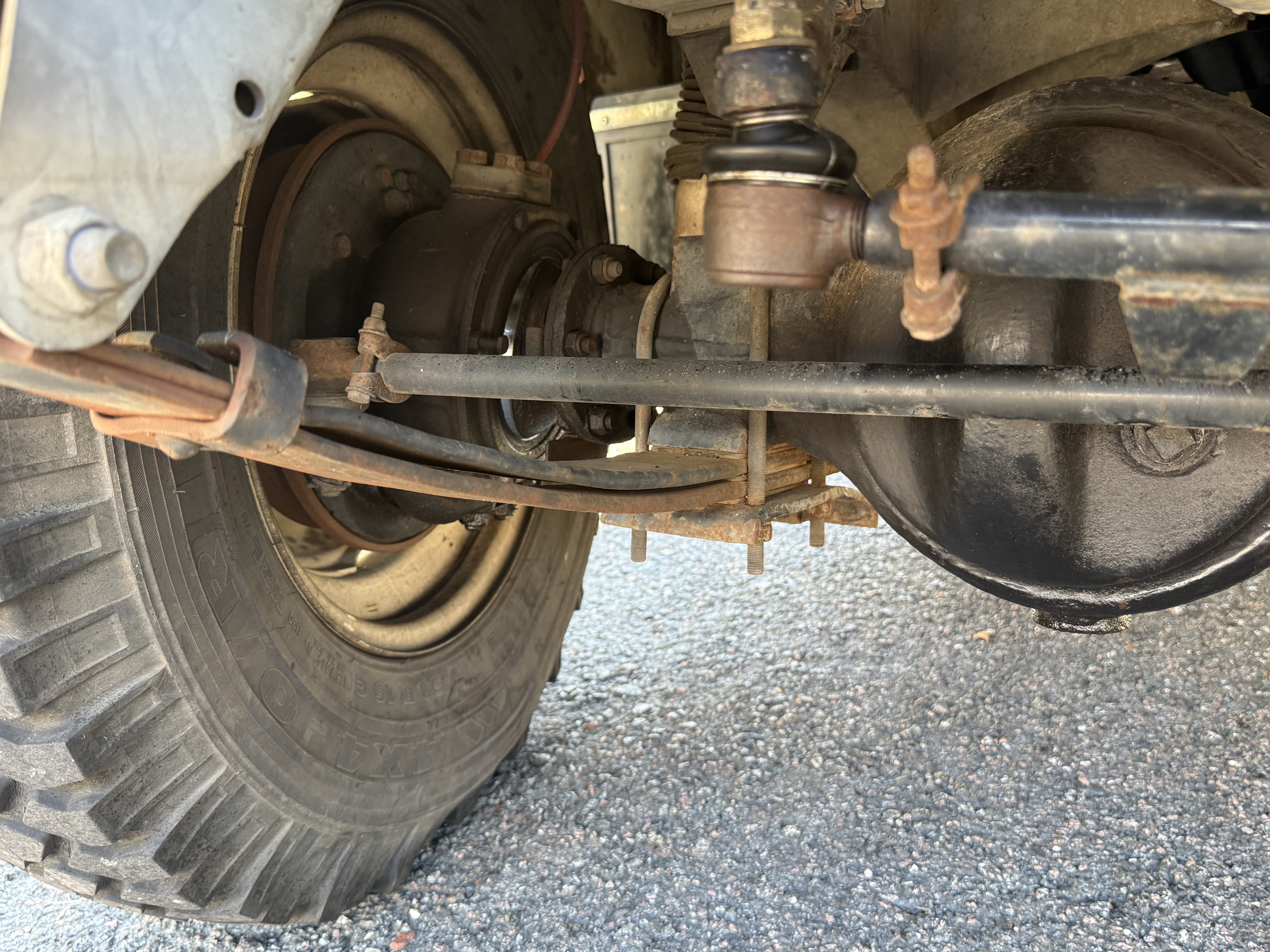
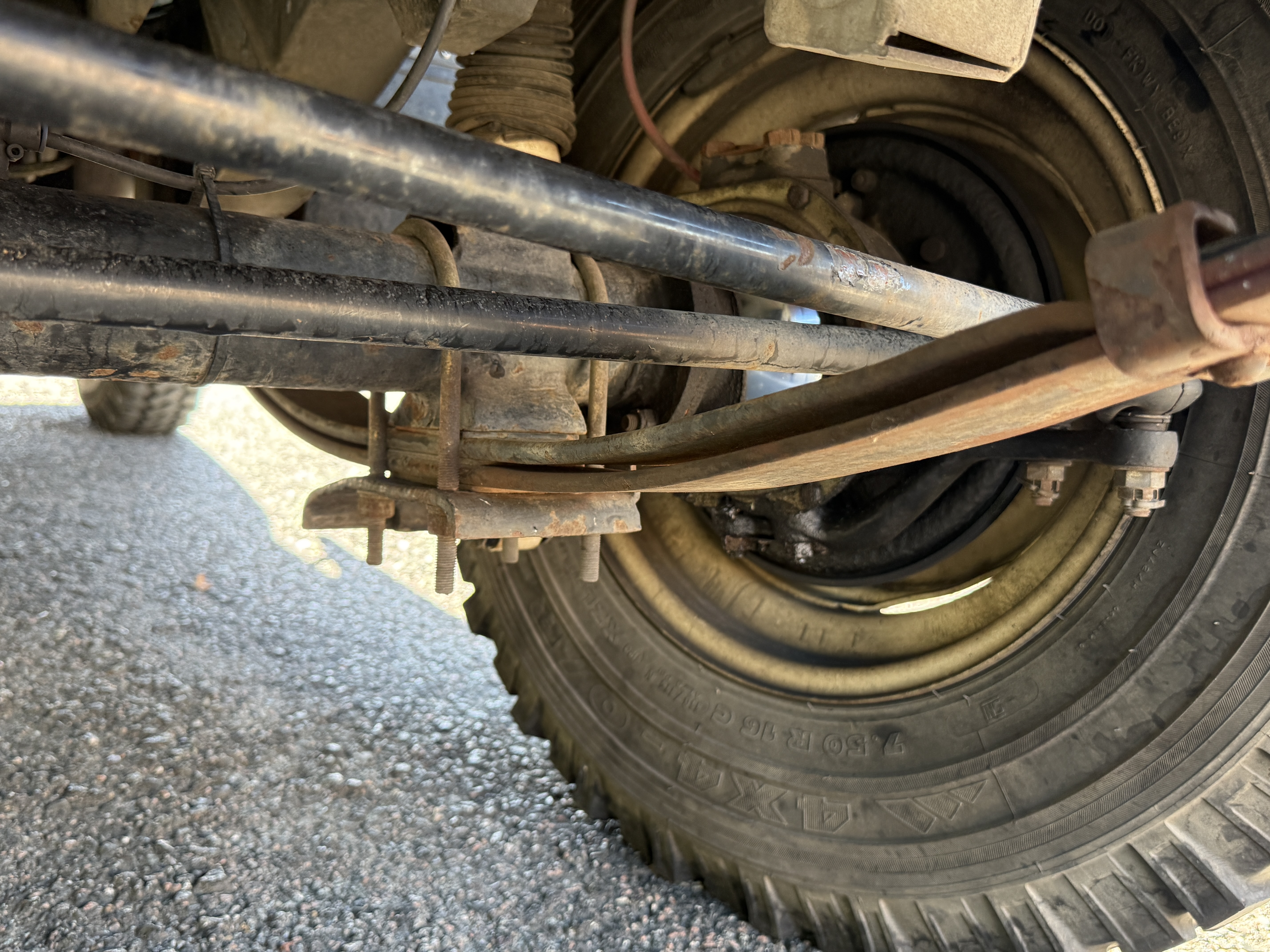
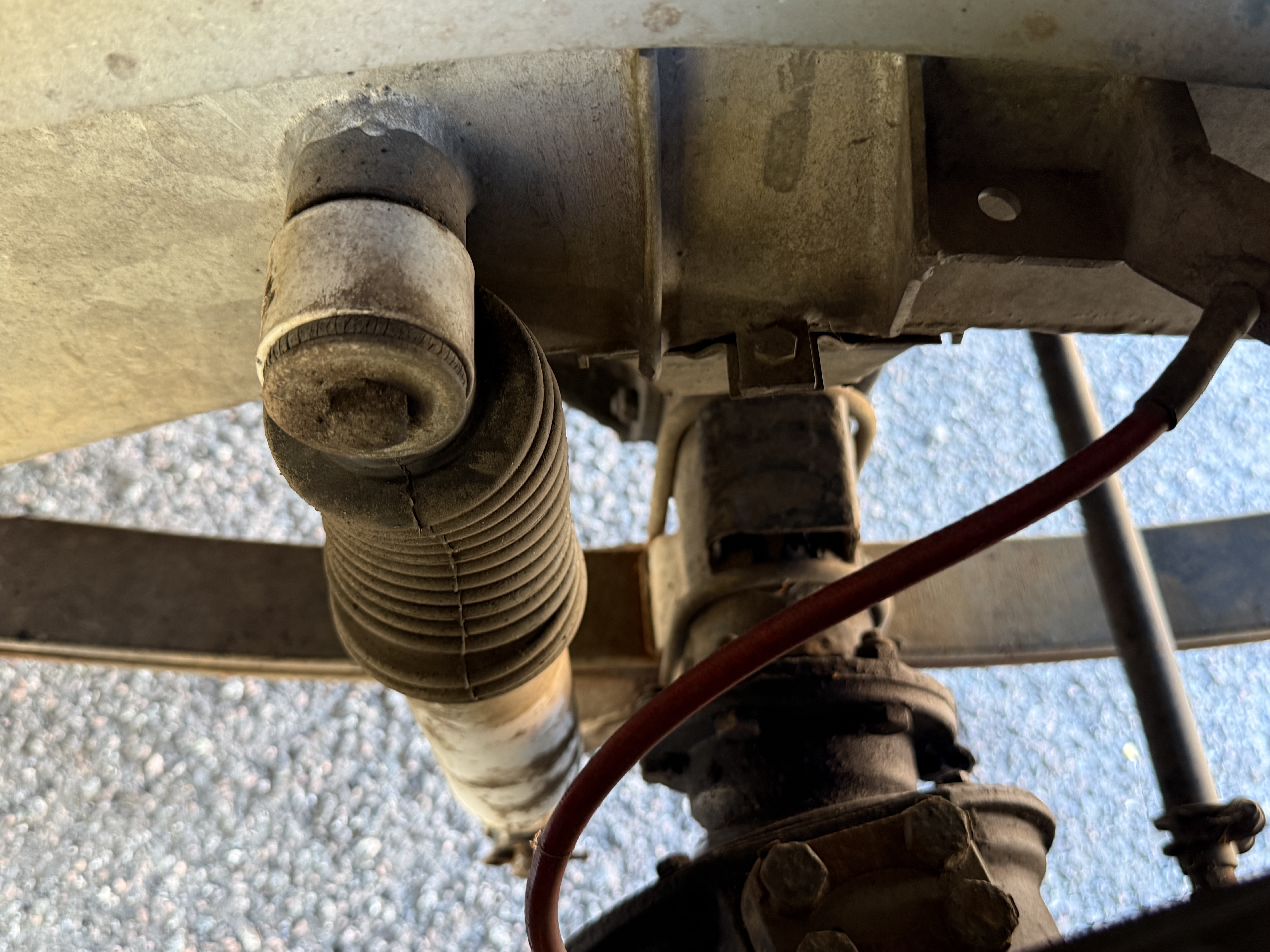
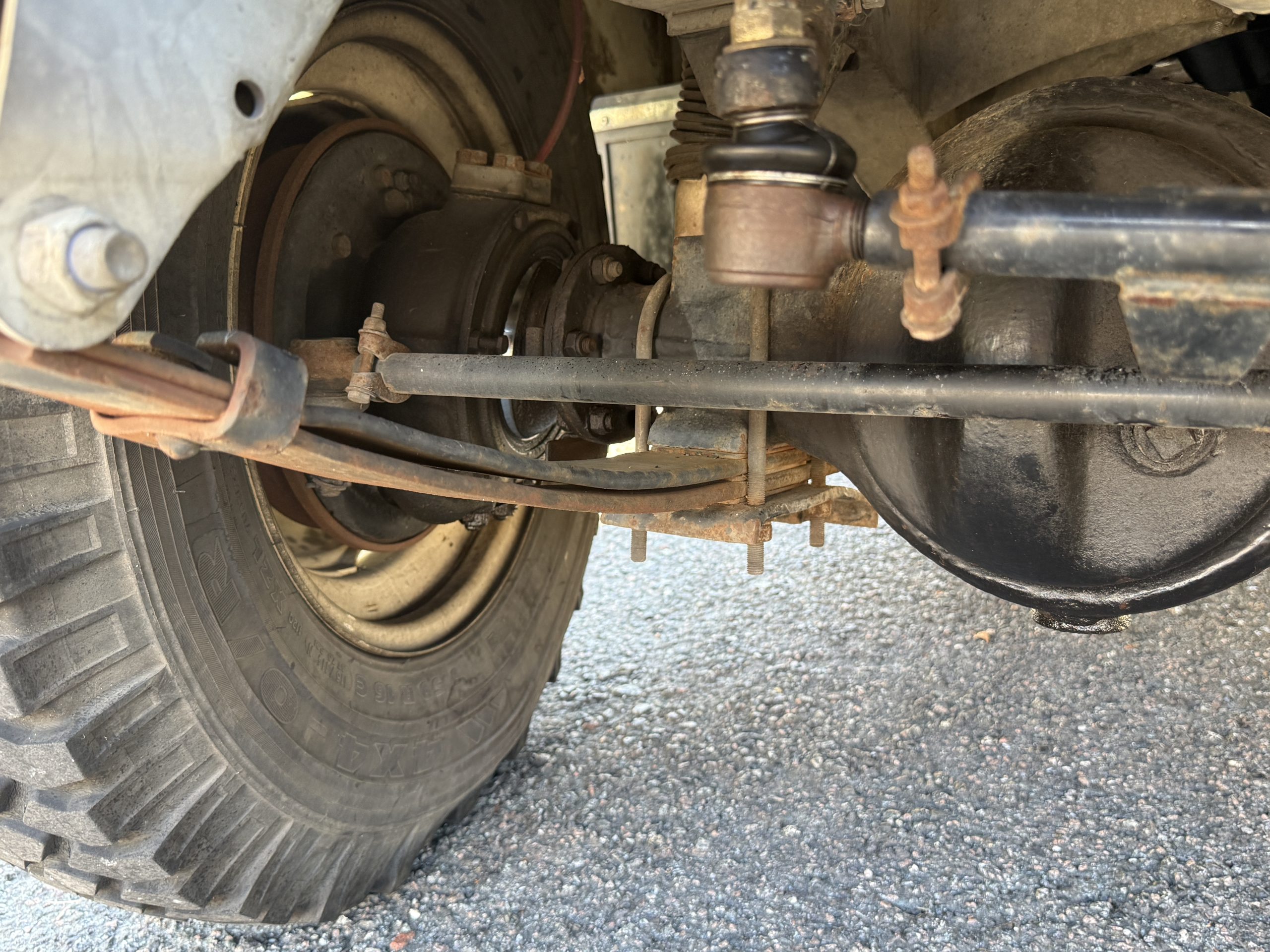
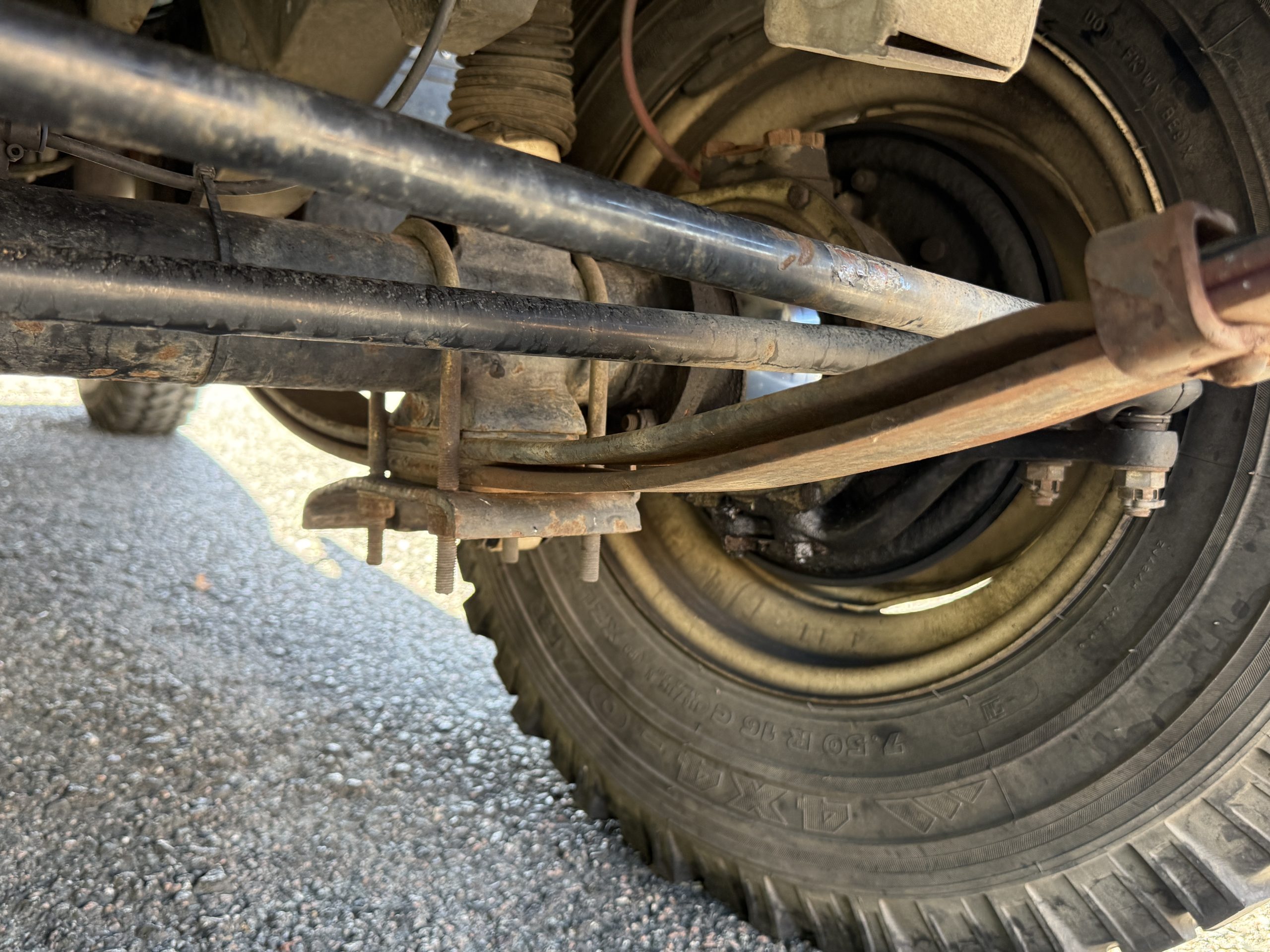
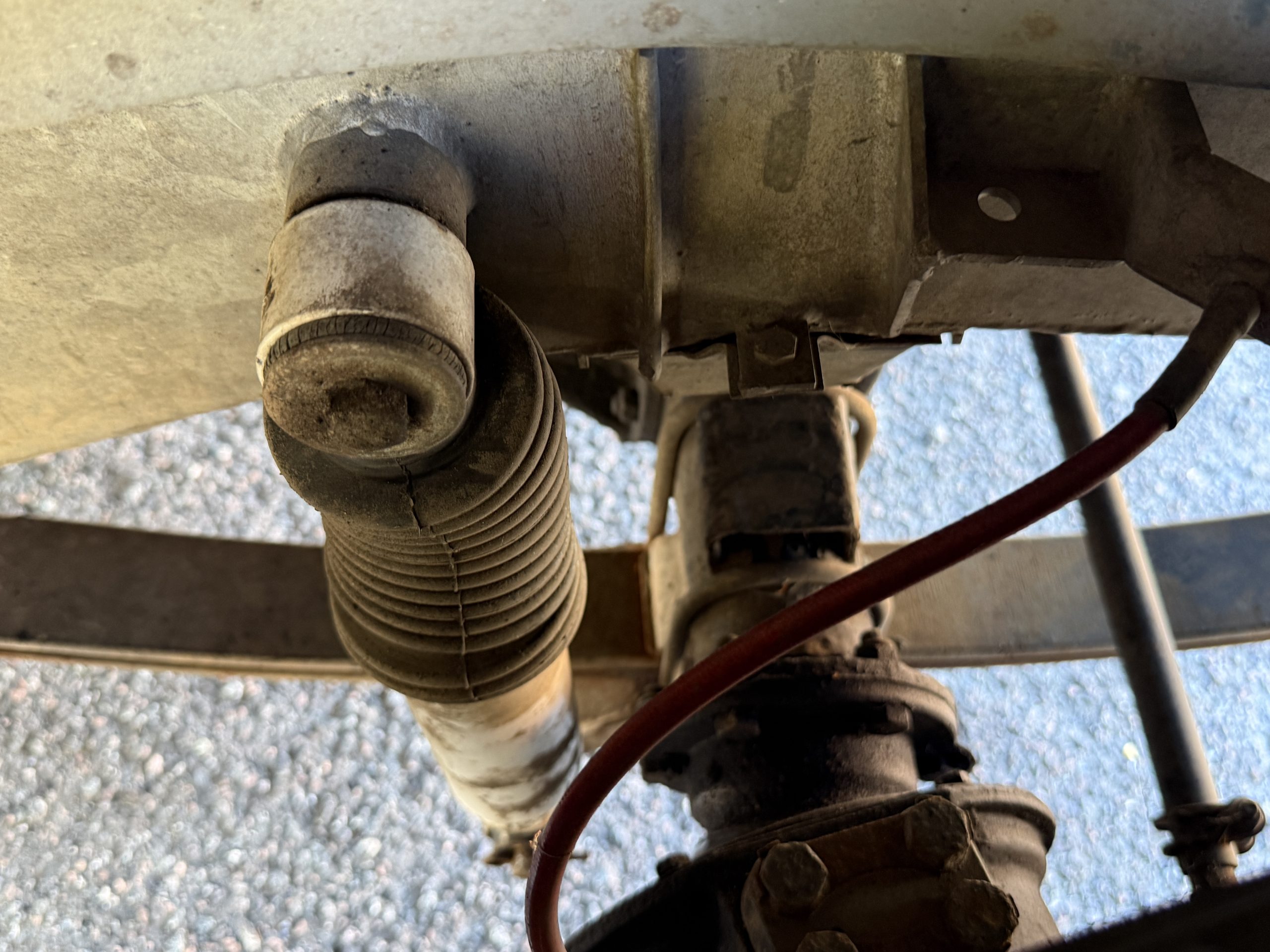
- Rocky Mountain parabolic springs and shock absorbers
- LOF drum and shoe brake kit
- New front swivels and seals
- Weber carburettor
- Kenlowe electric cooling fan
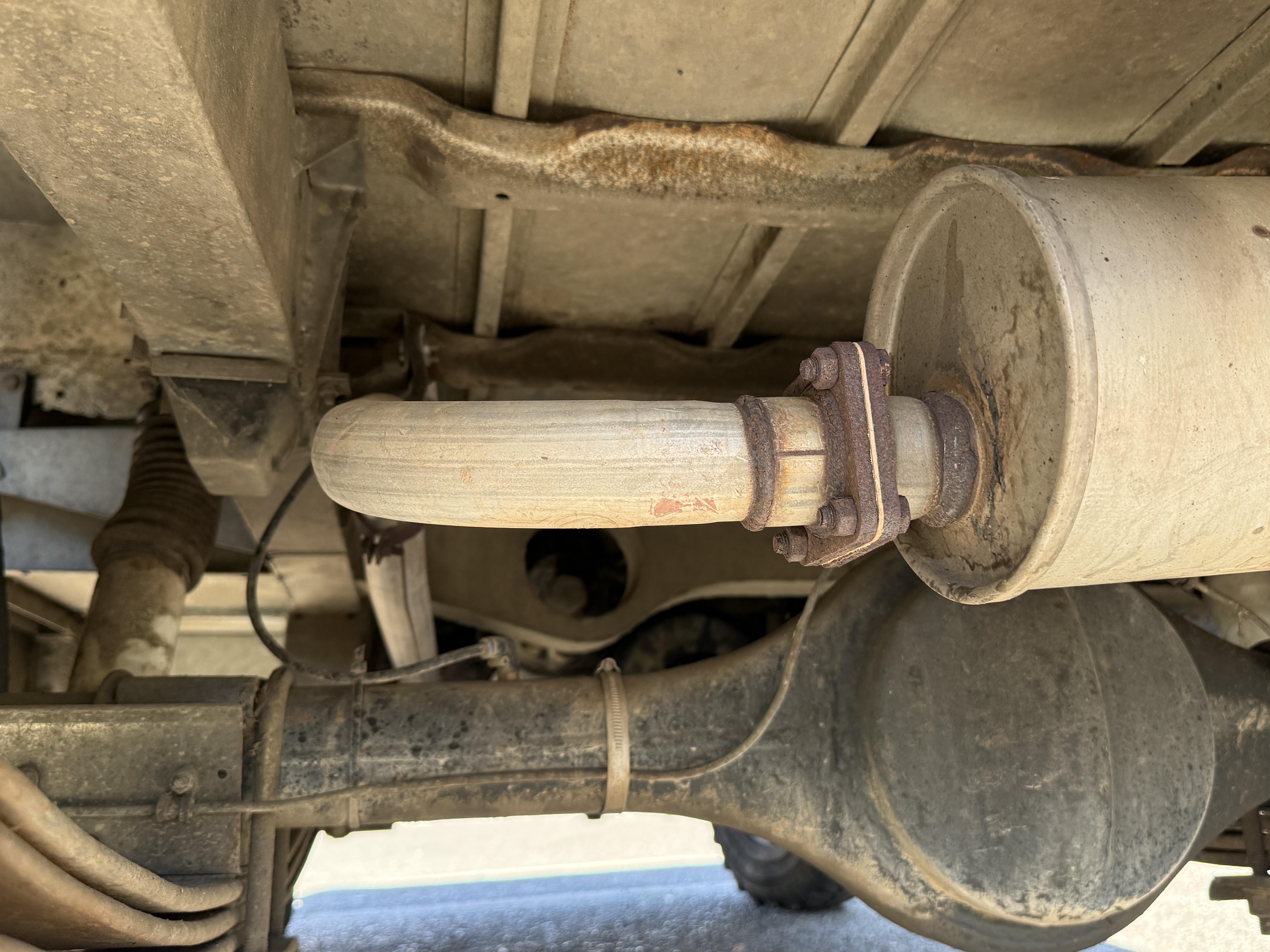
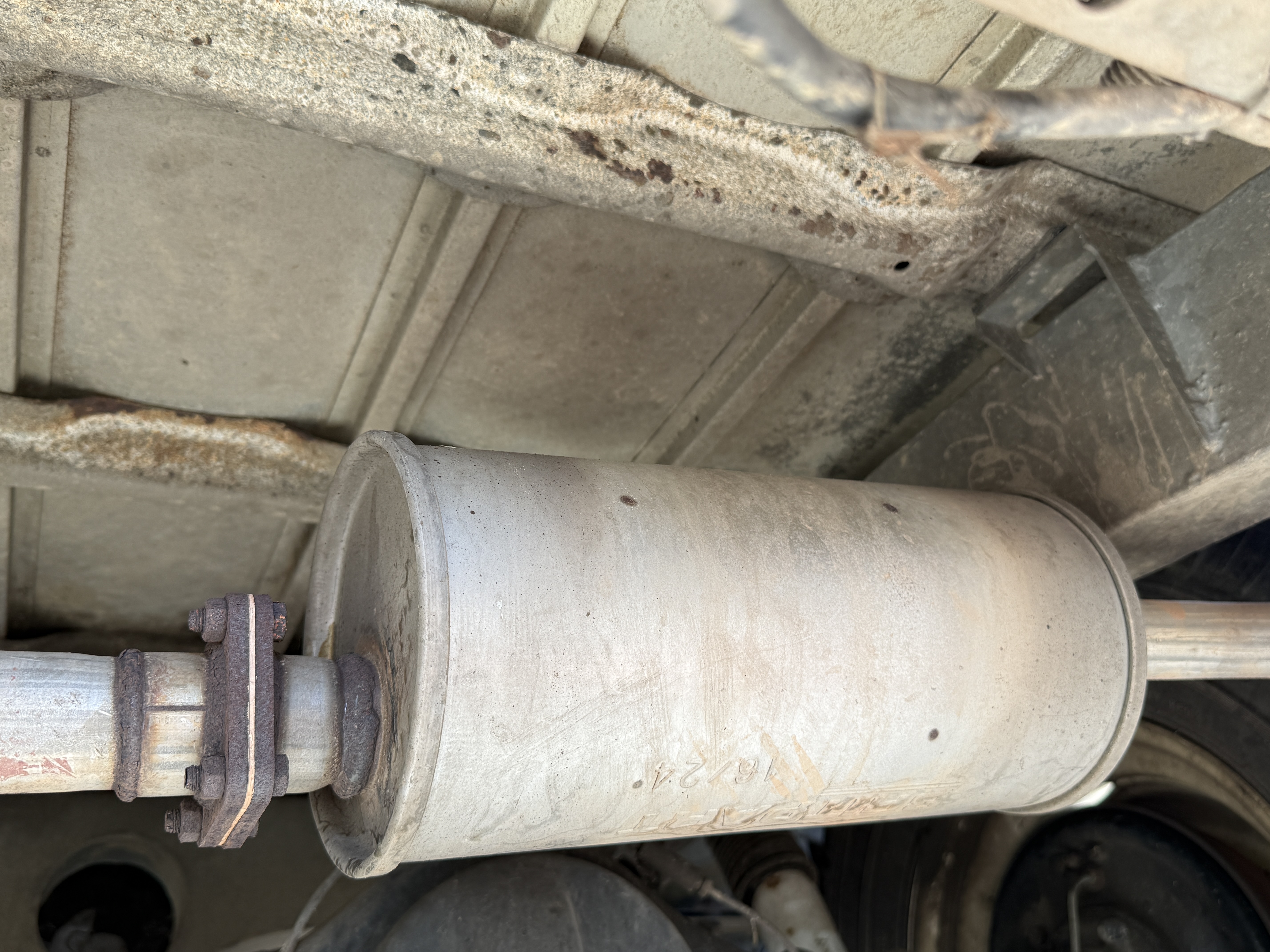
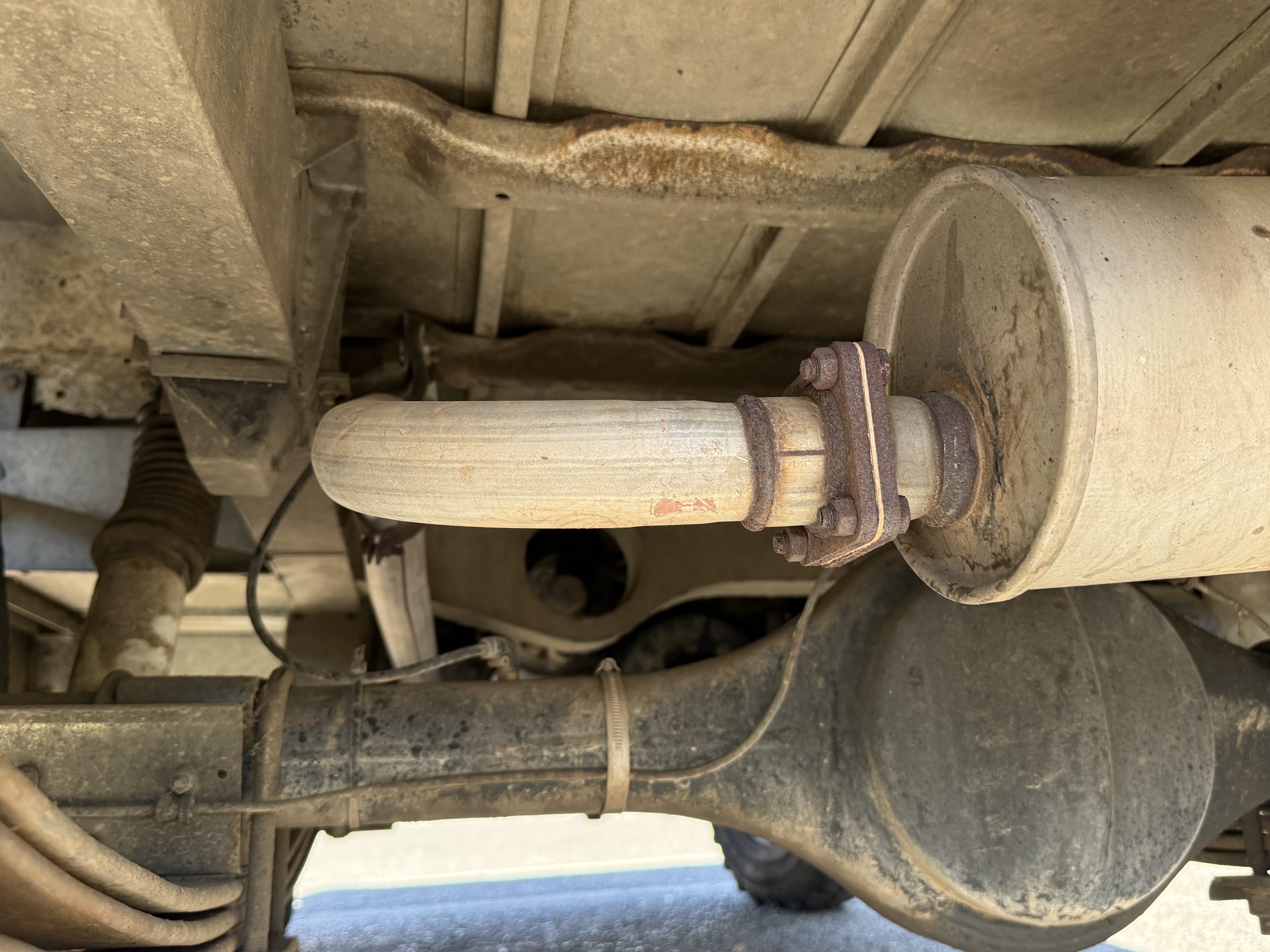
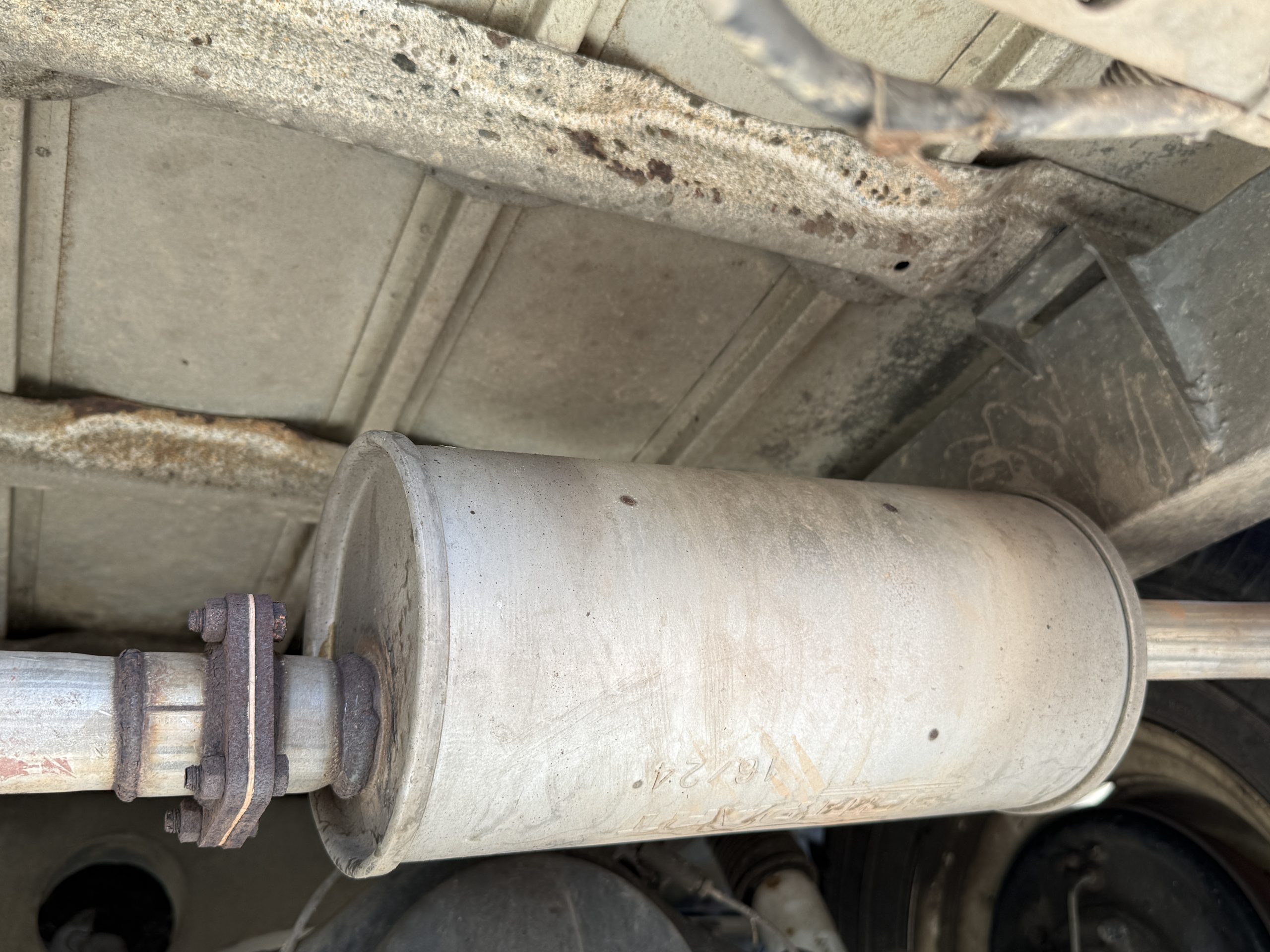
- Full replacement exhaust
- Free-wheeling front hubs
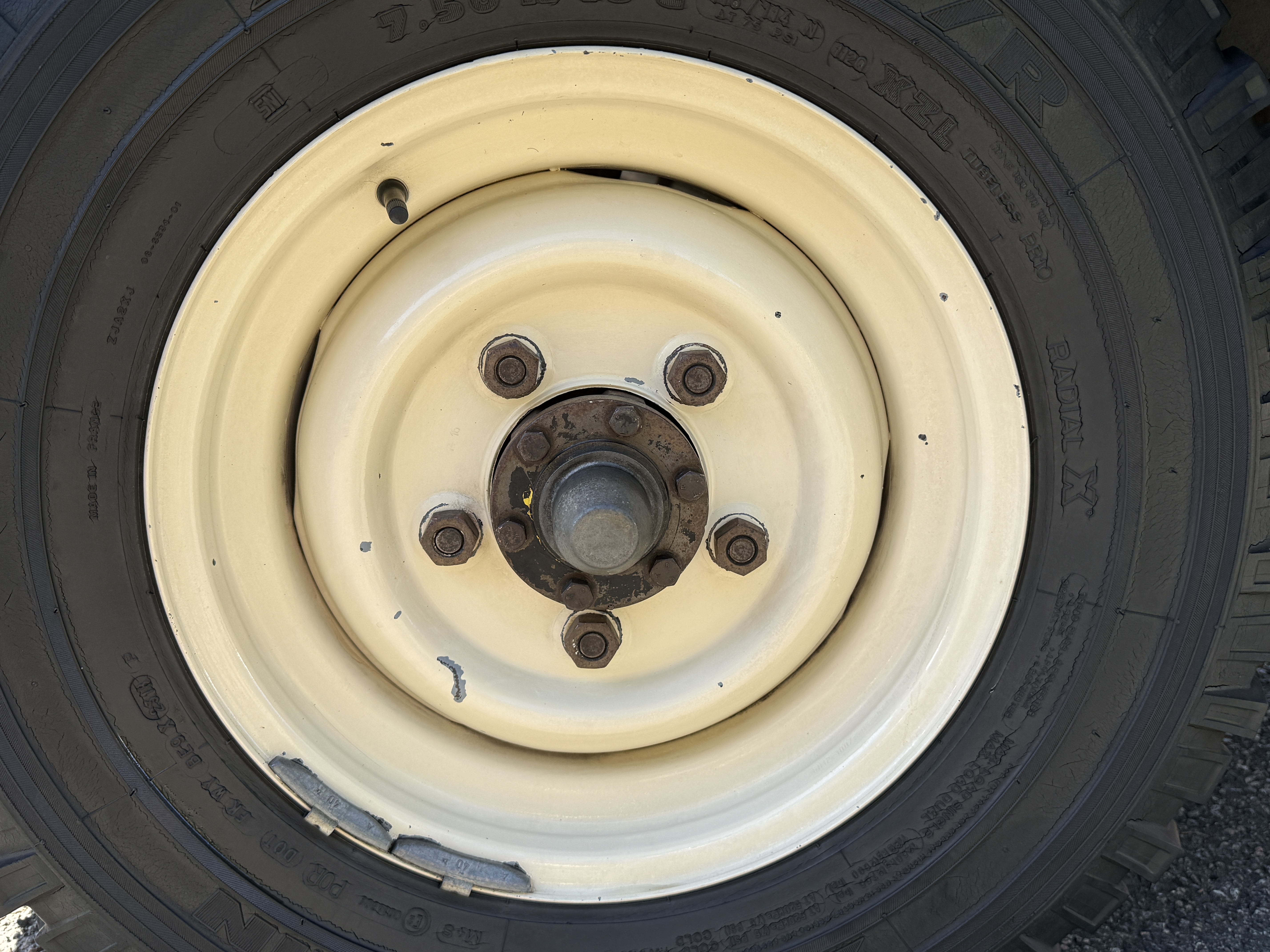
- Tubeless wheels
- Autosparks wiring loom including towing electrics
It has also recently been serviced by Gigglepin 4×4.
The objective with the rebuild was never to create a concours Land Rover. The money went primarily into making it structurally sound, mechanically strong and enjoyable to use.
Exterior
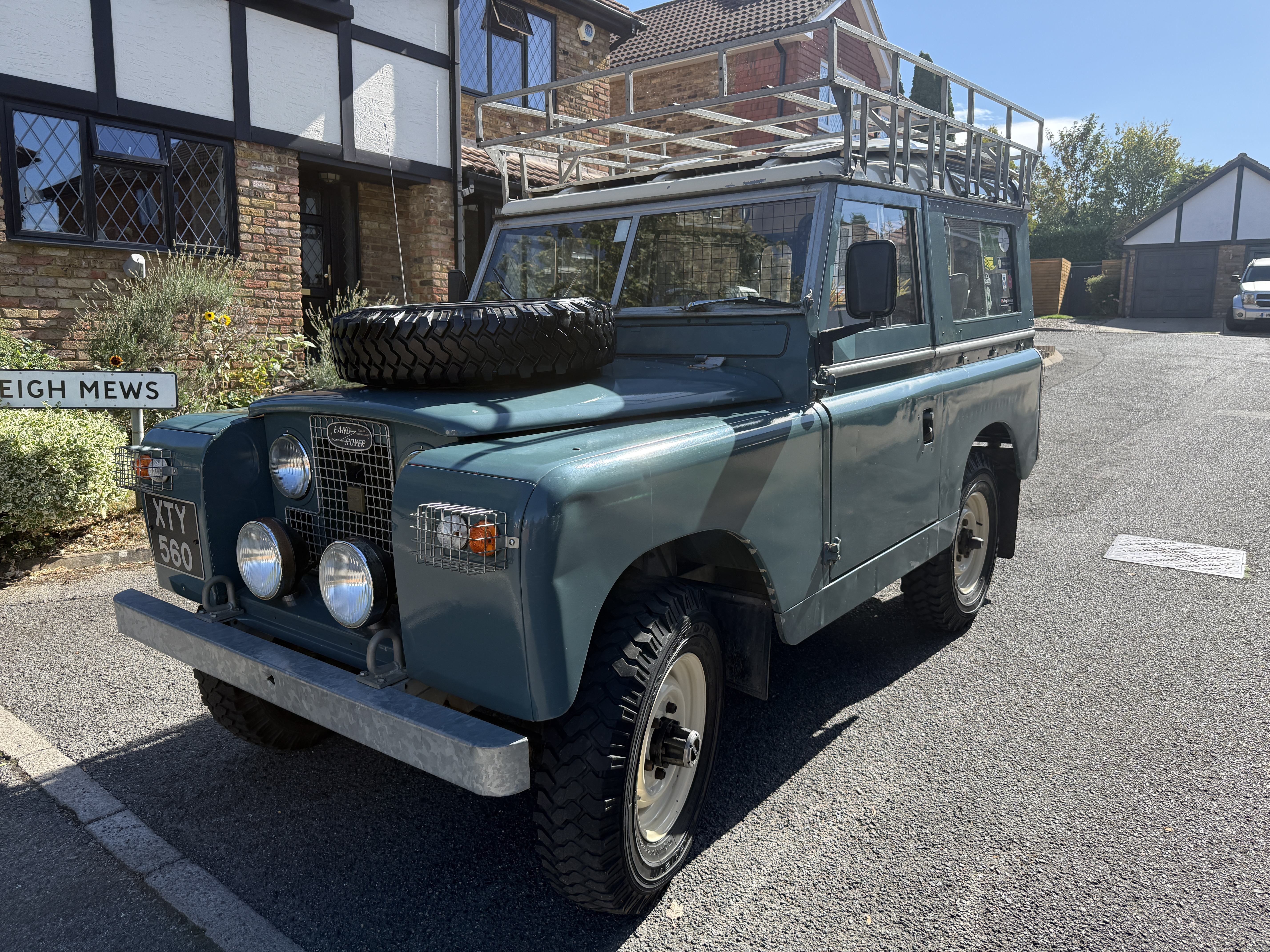
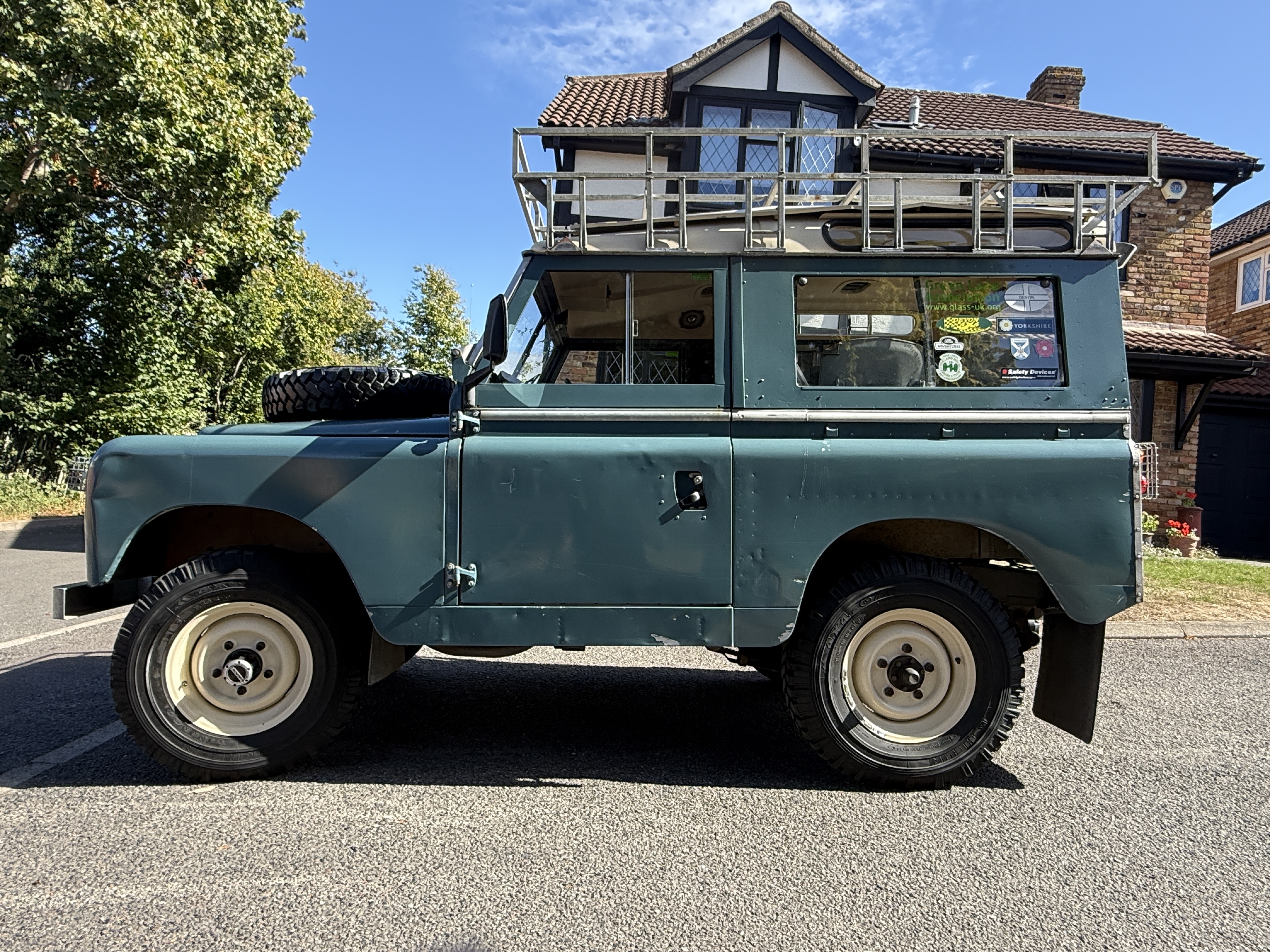
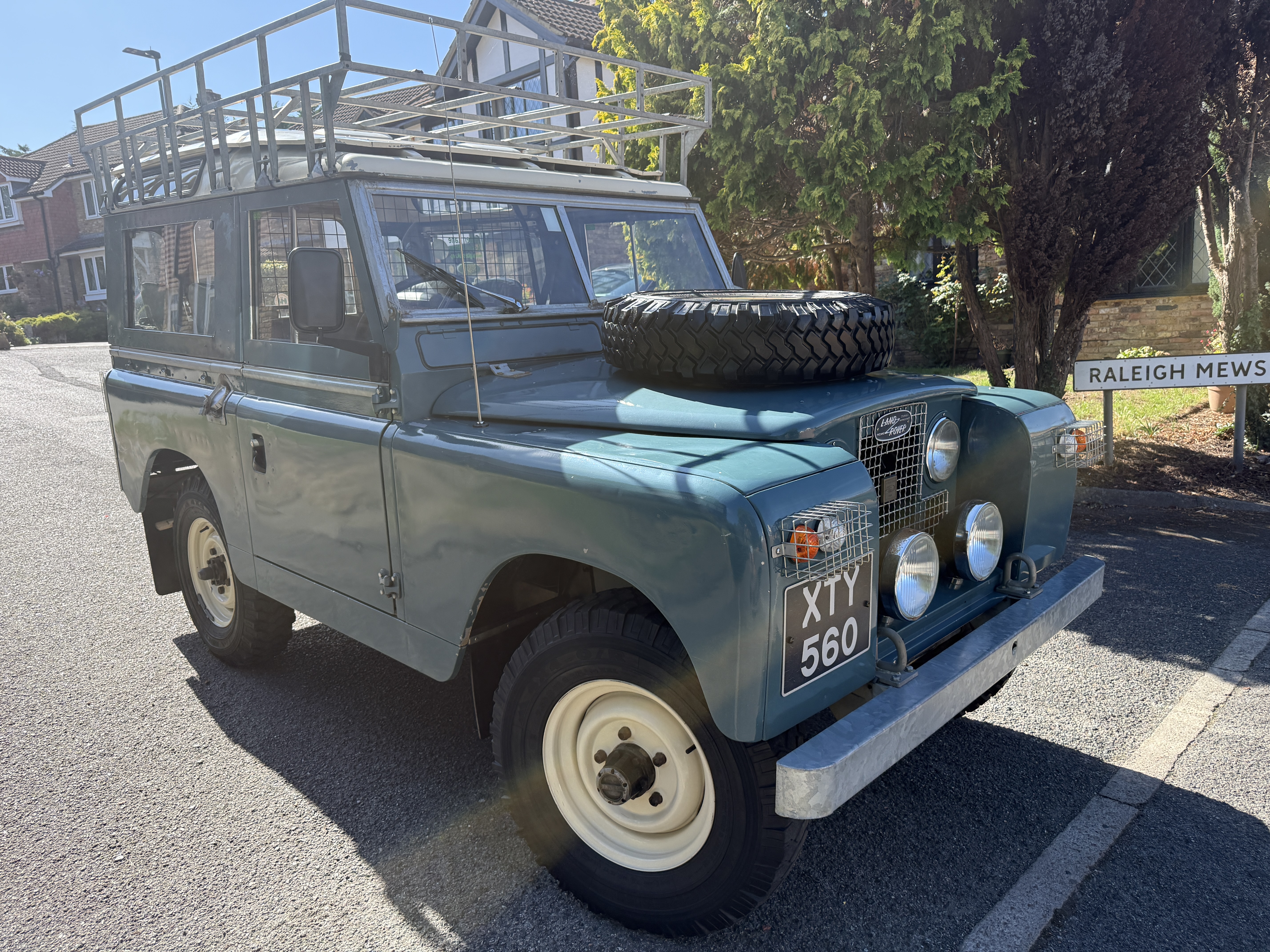
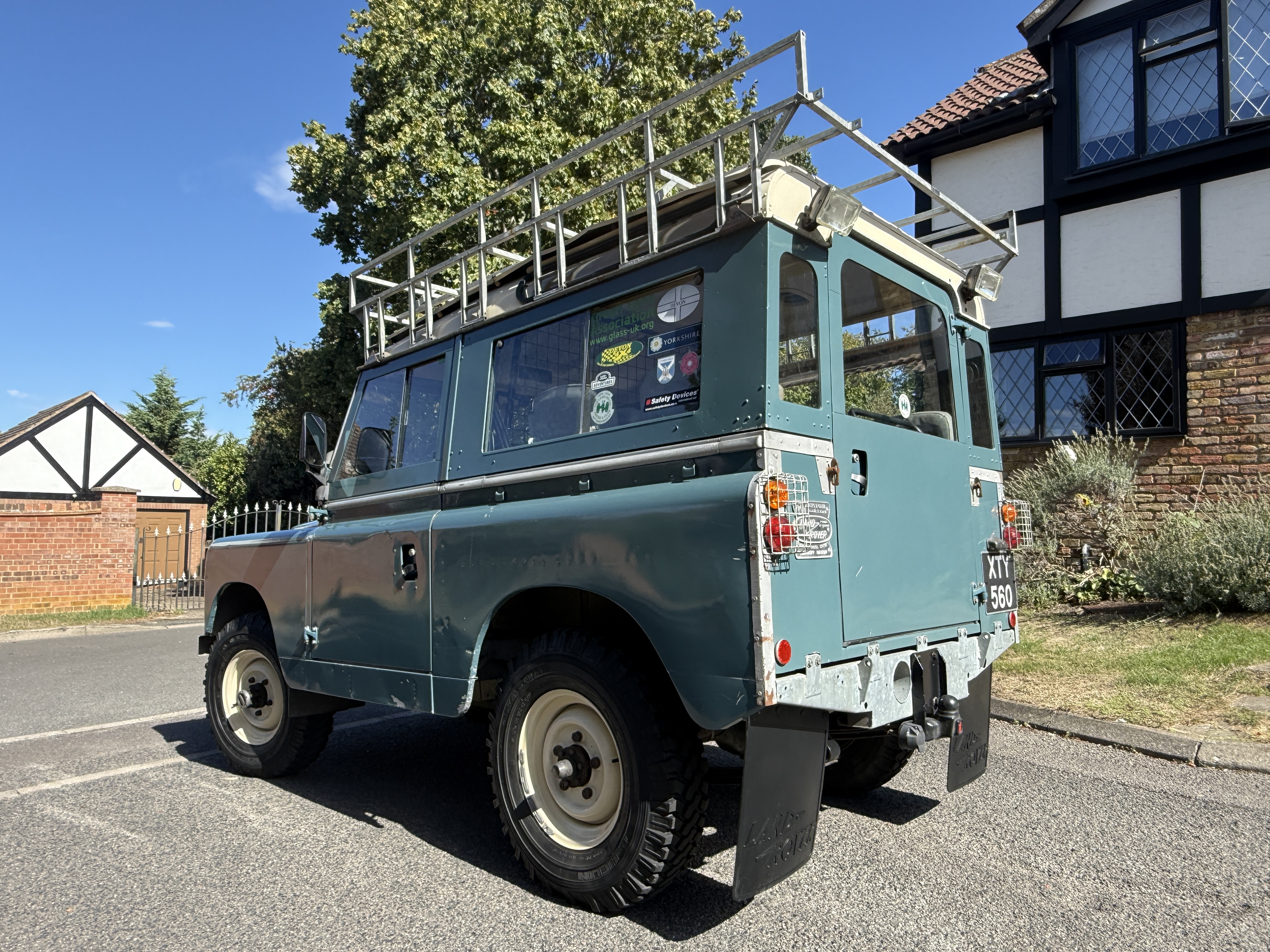
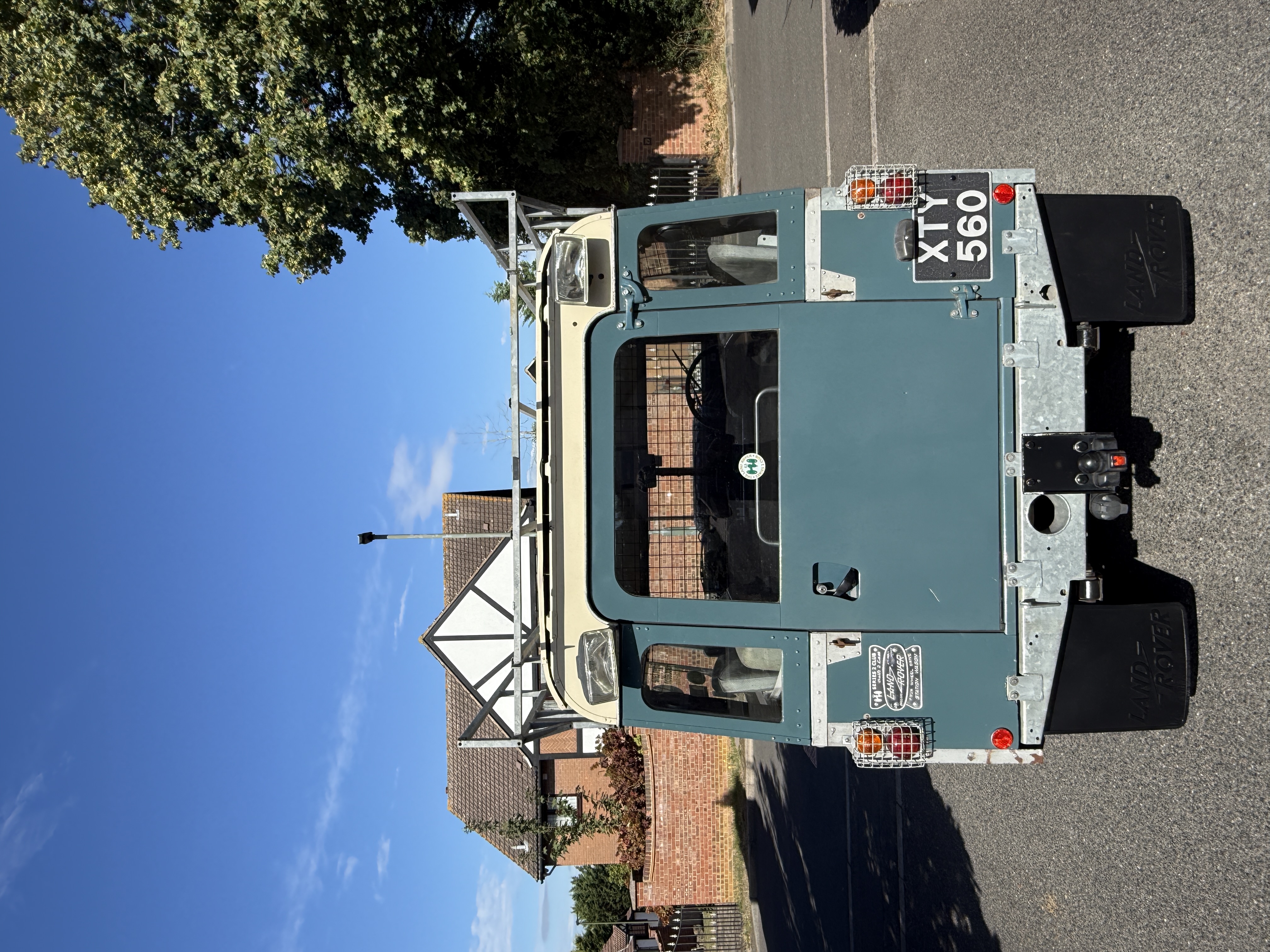
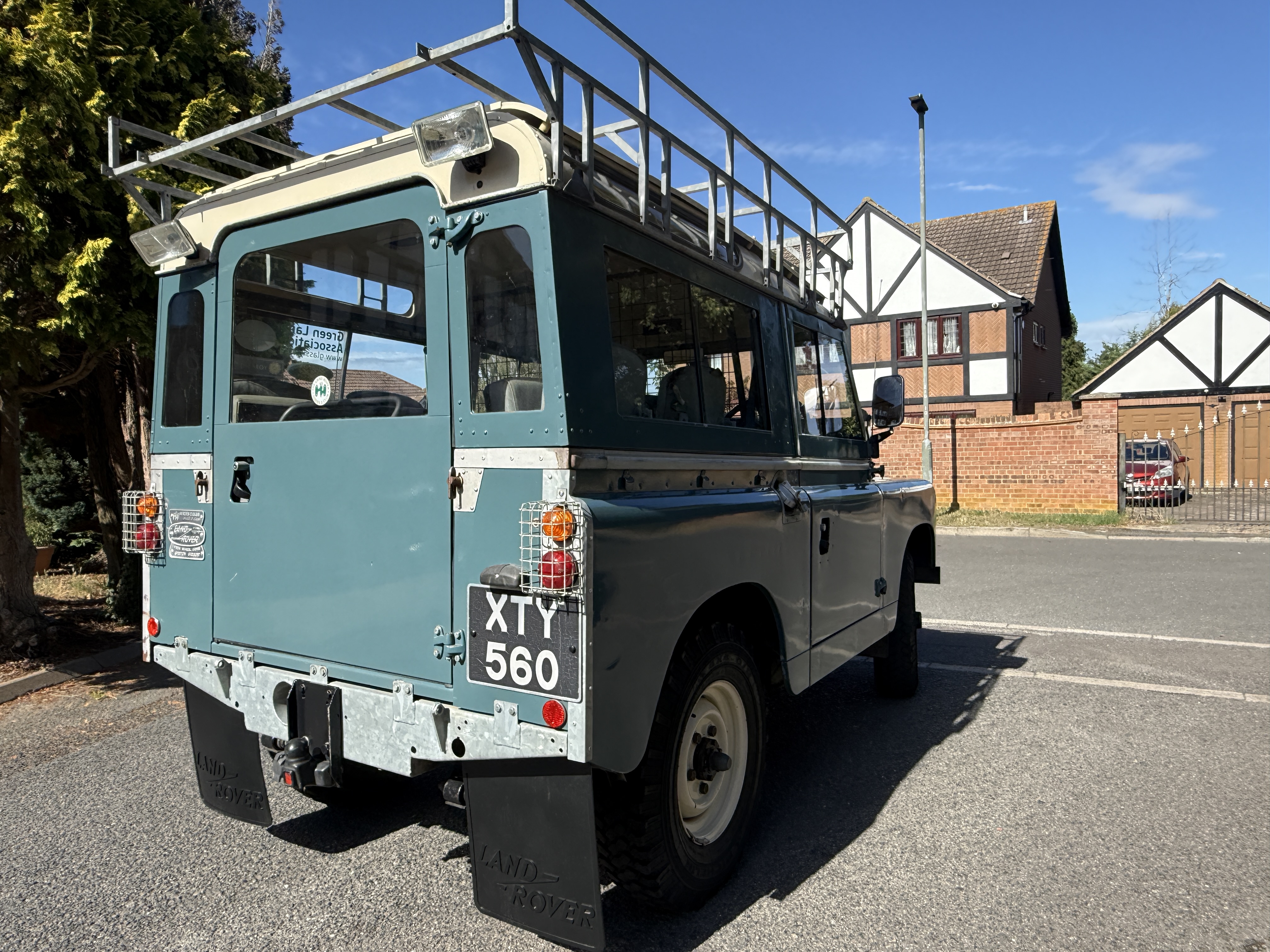
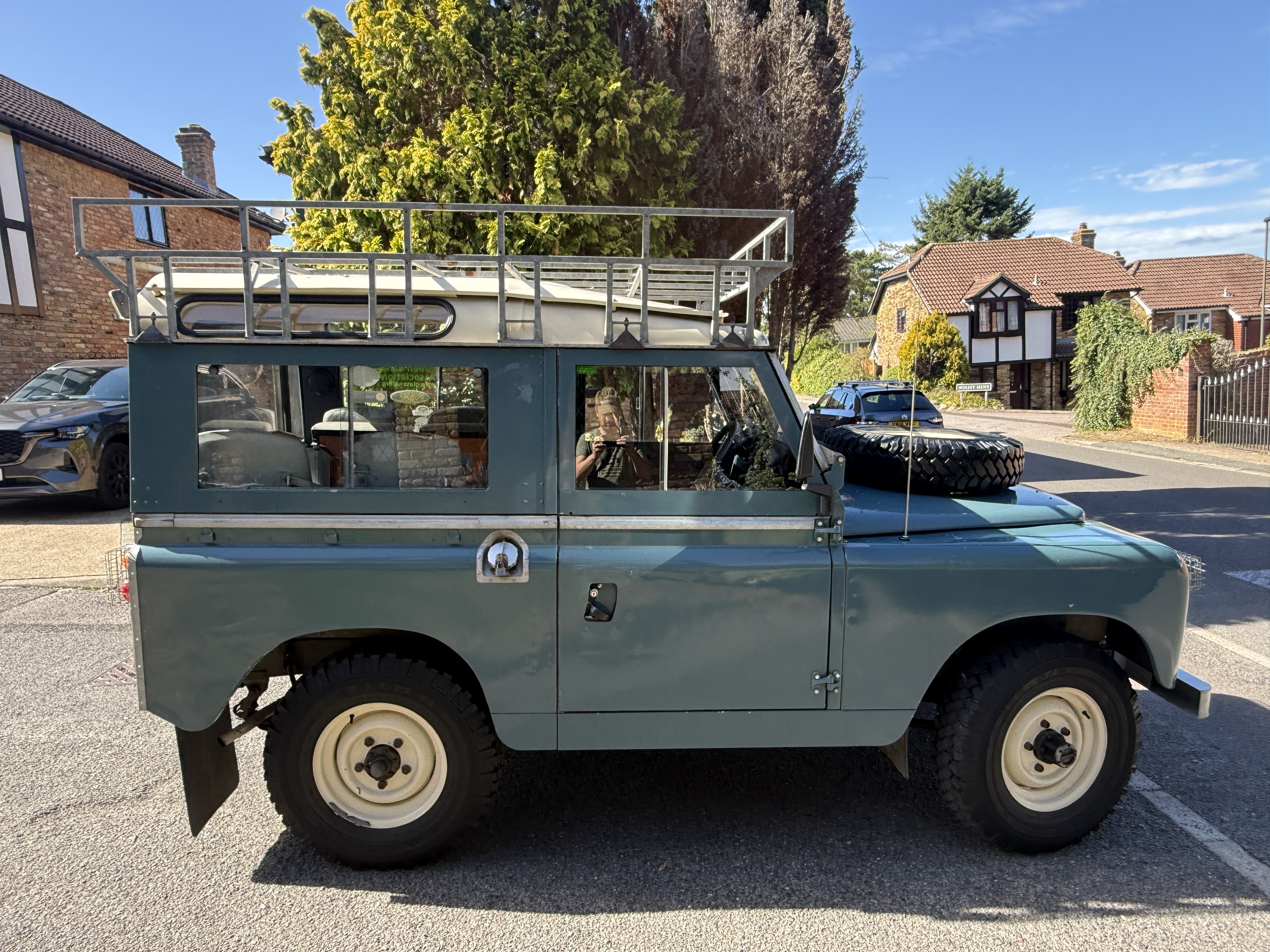
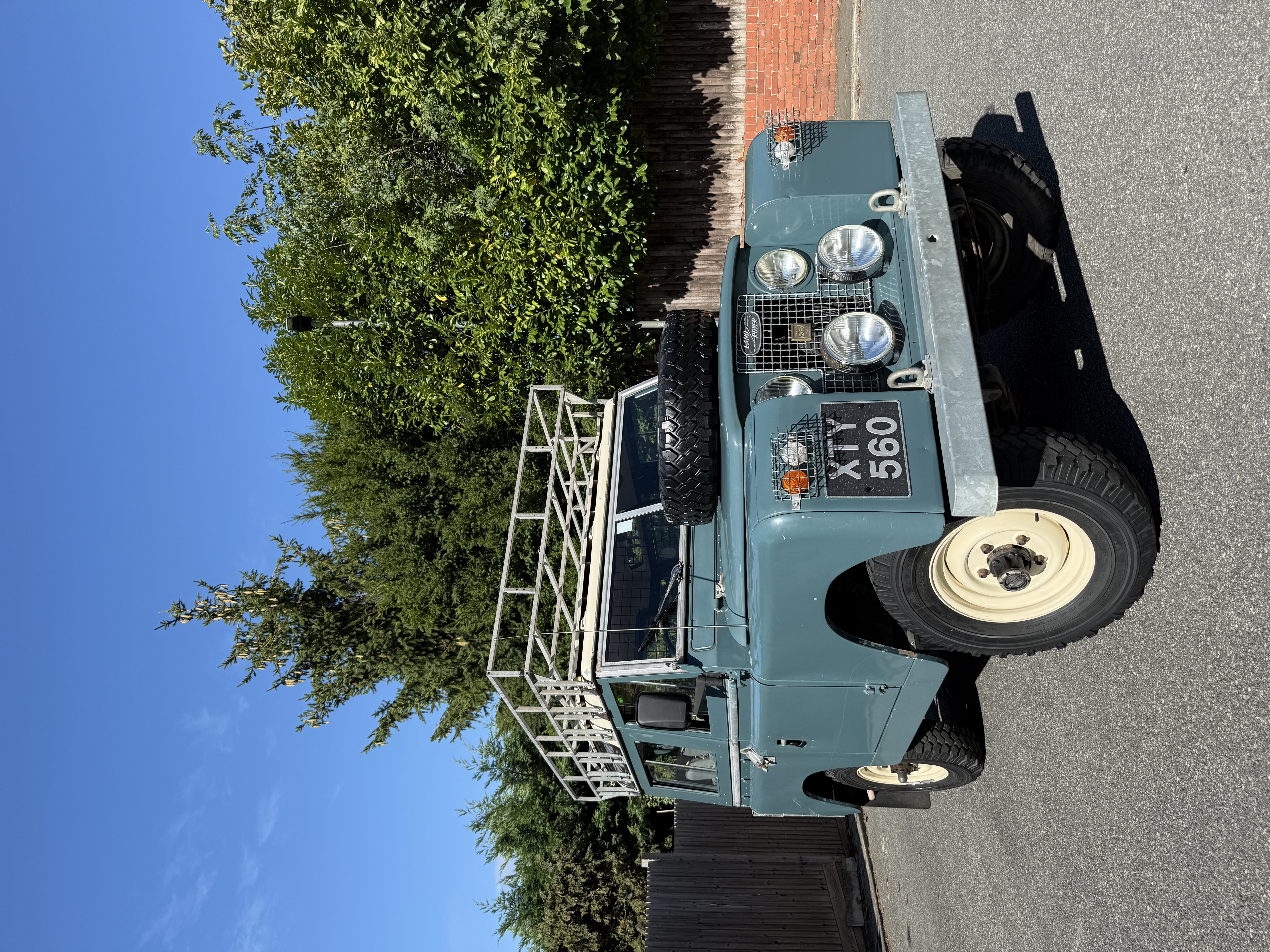
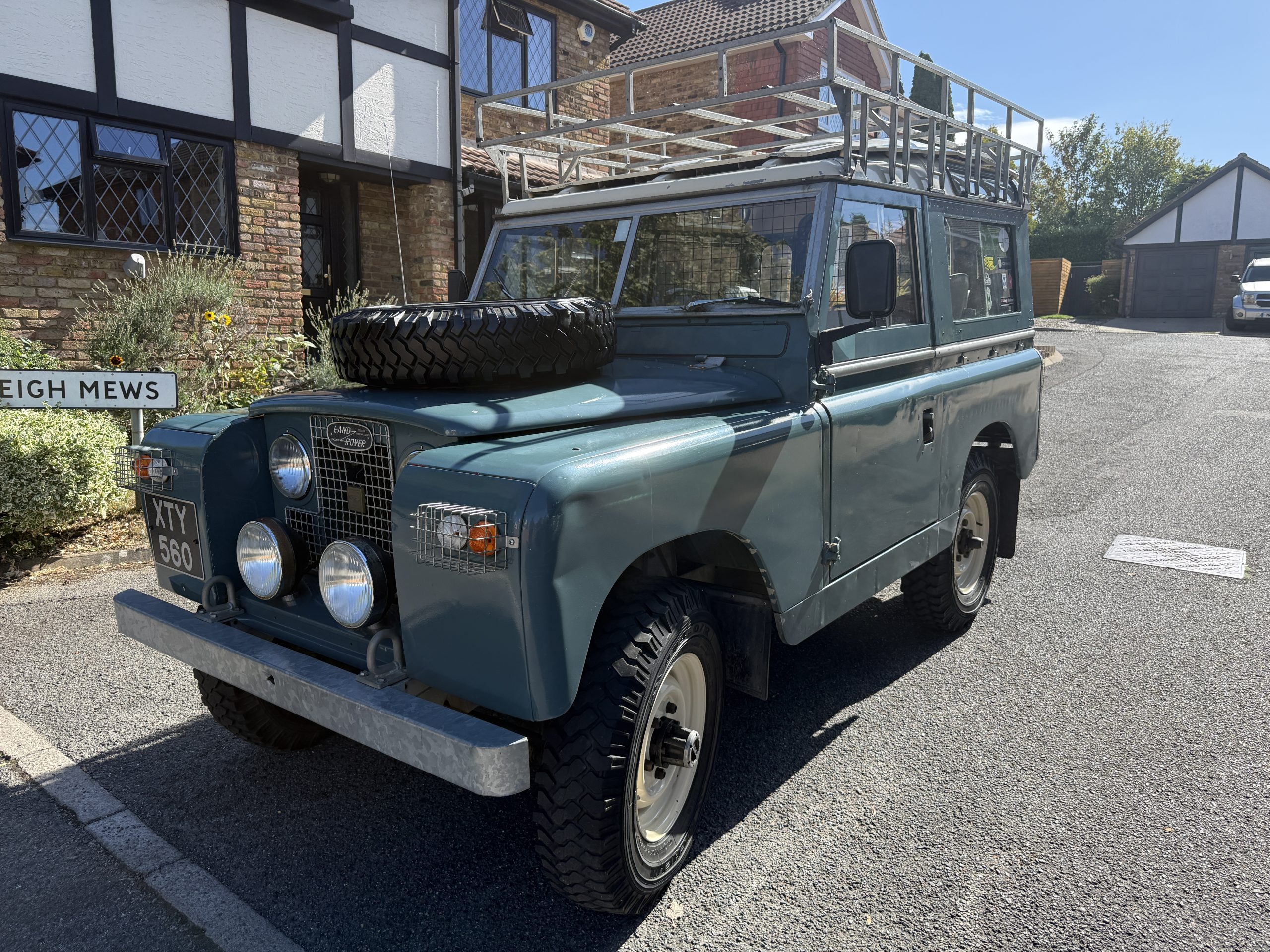
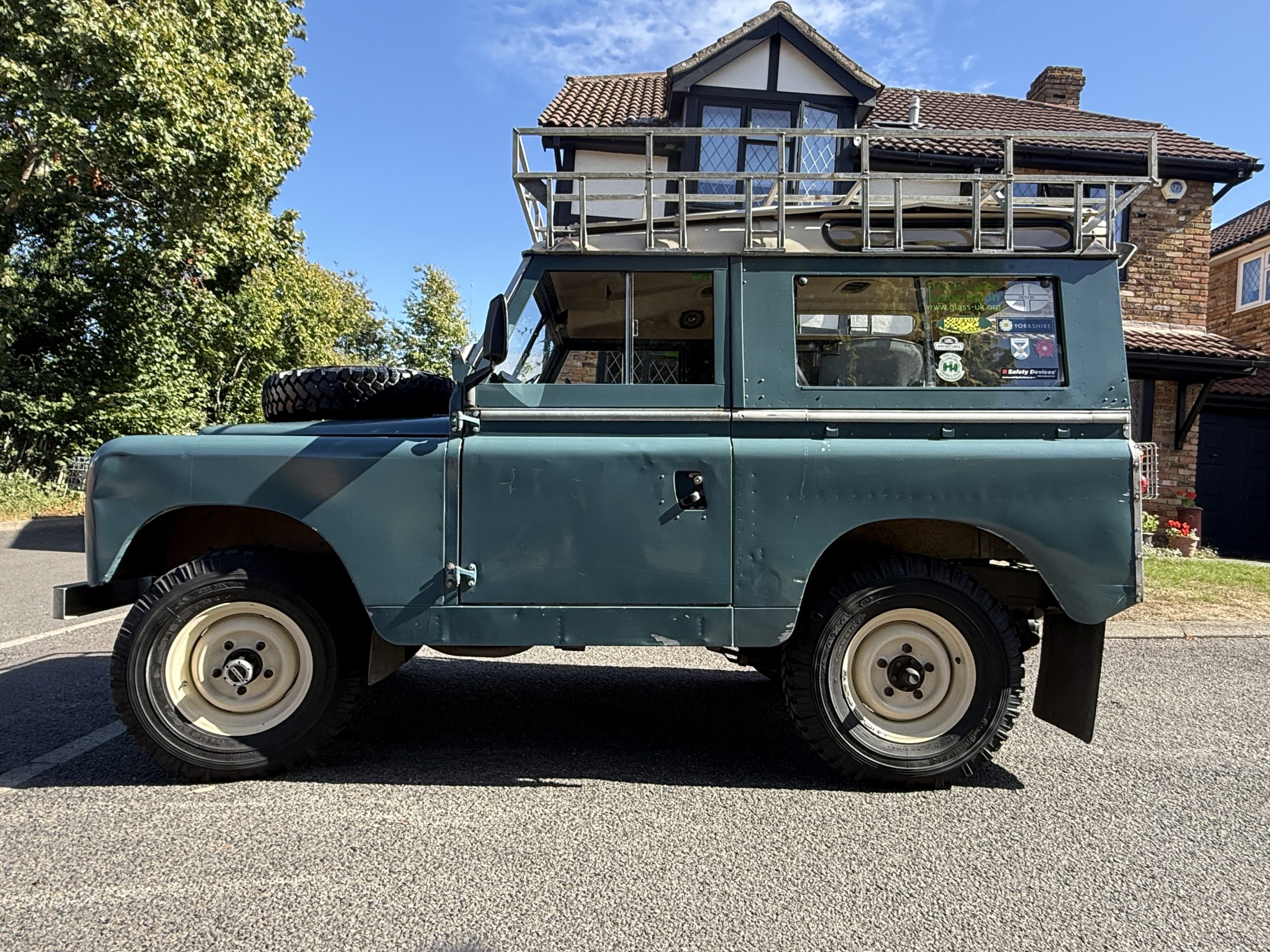
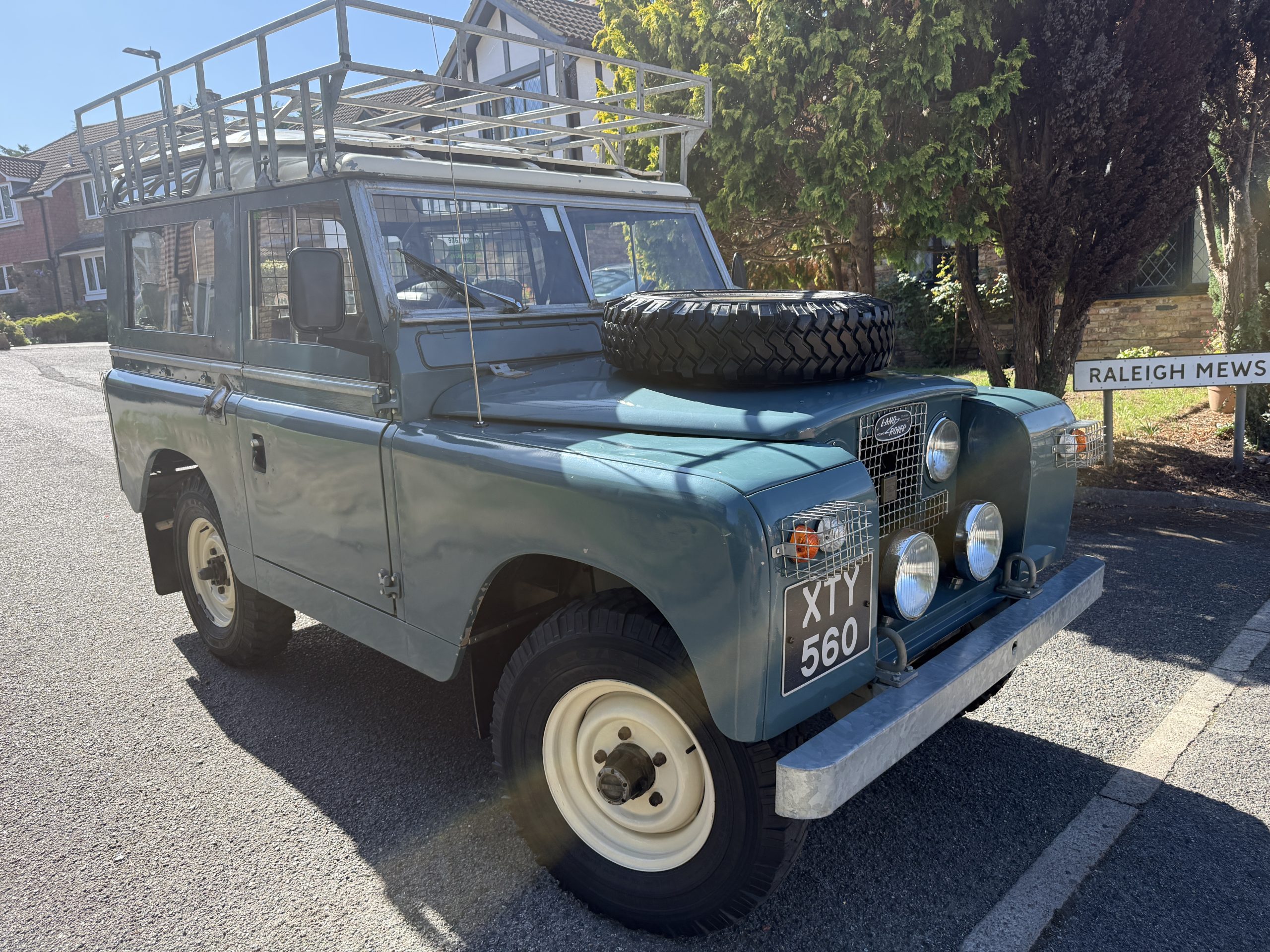
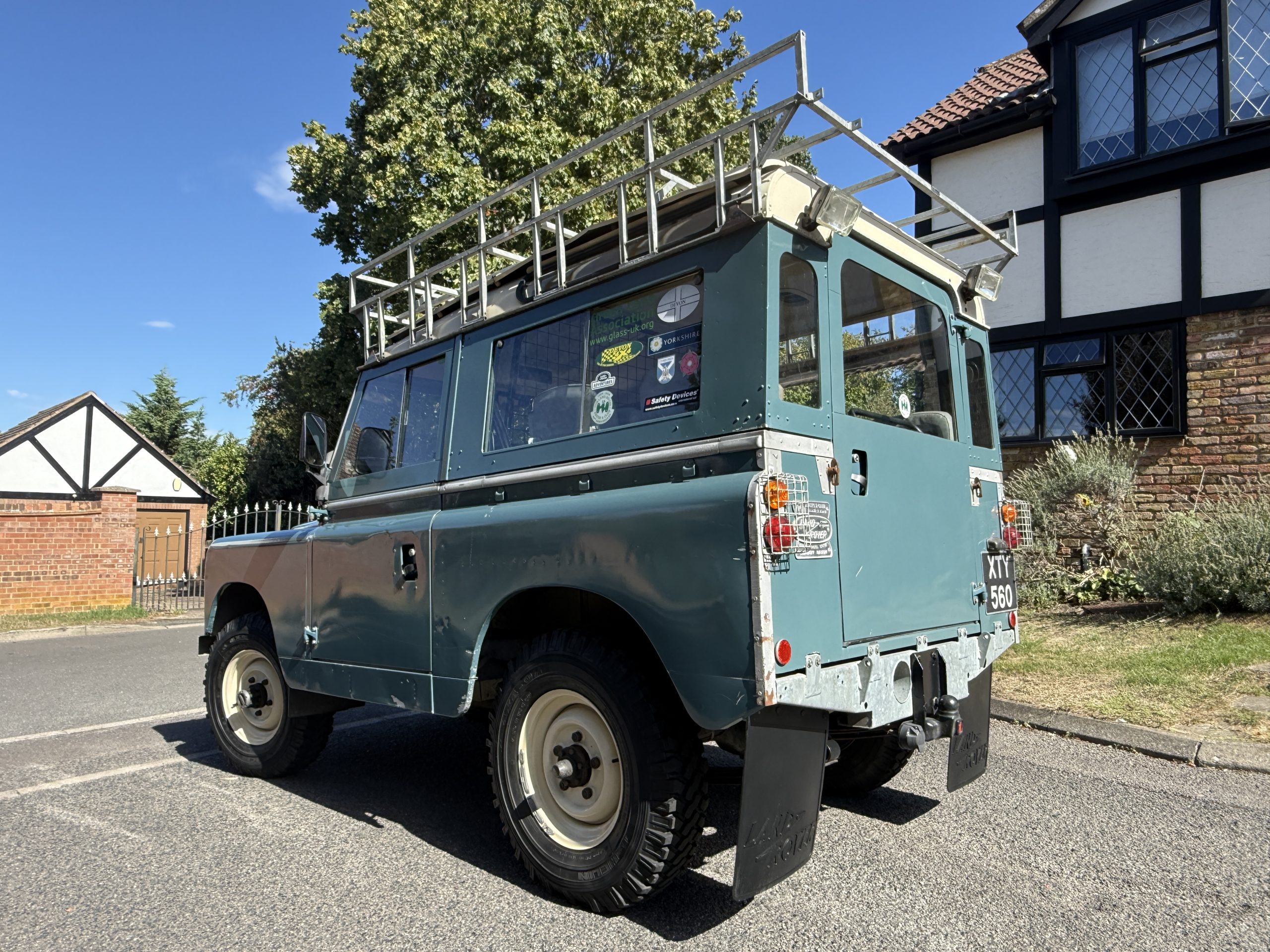
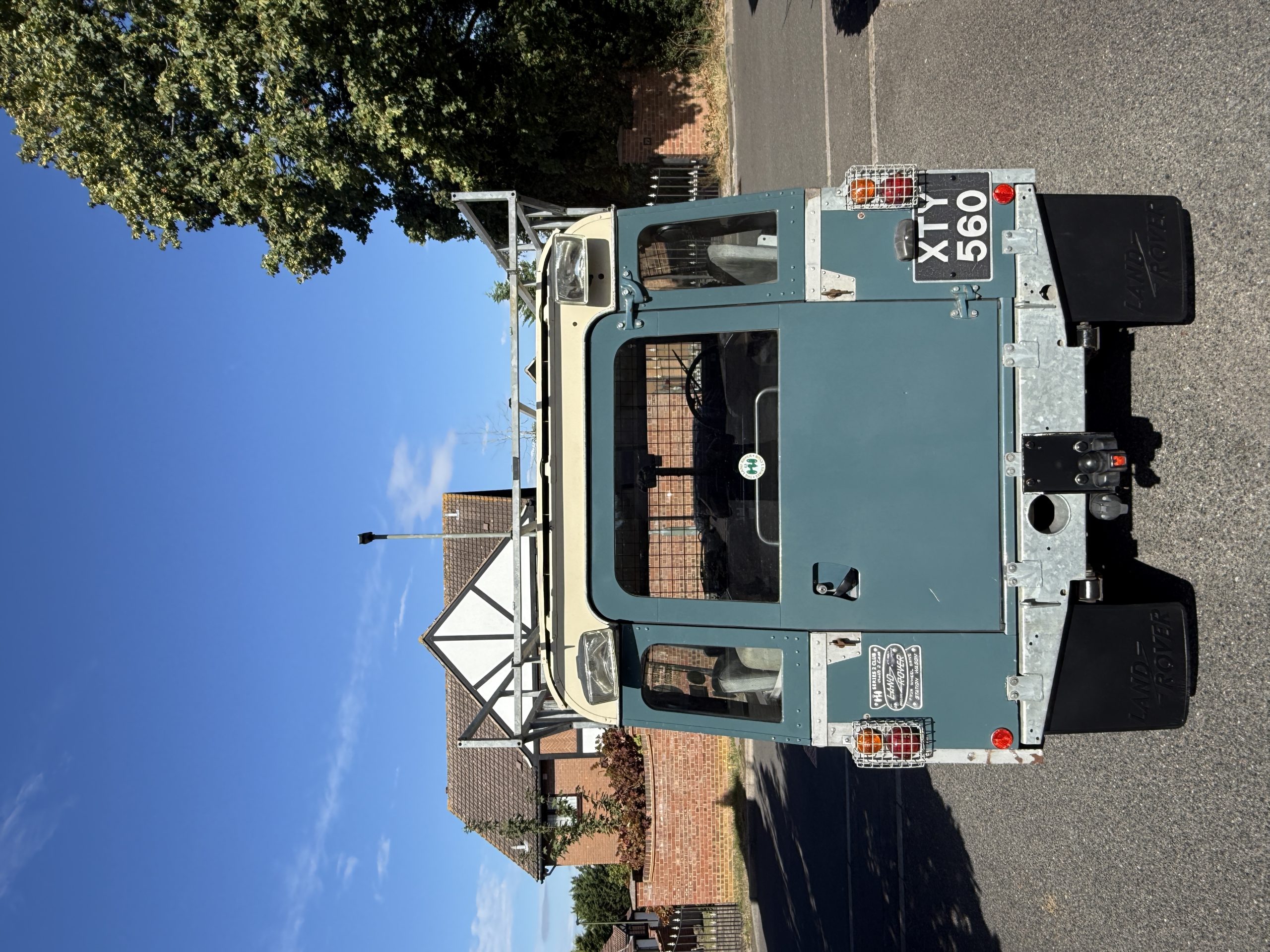
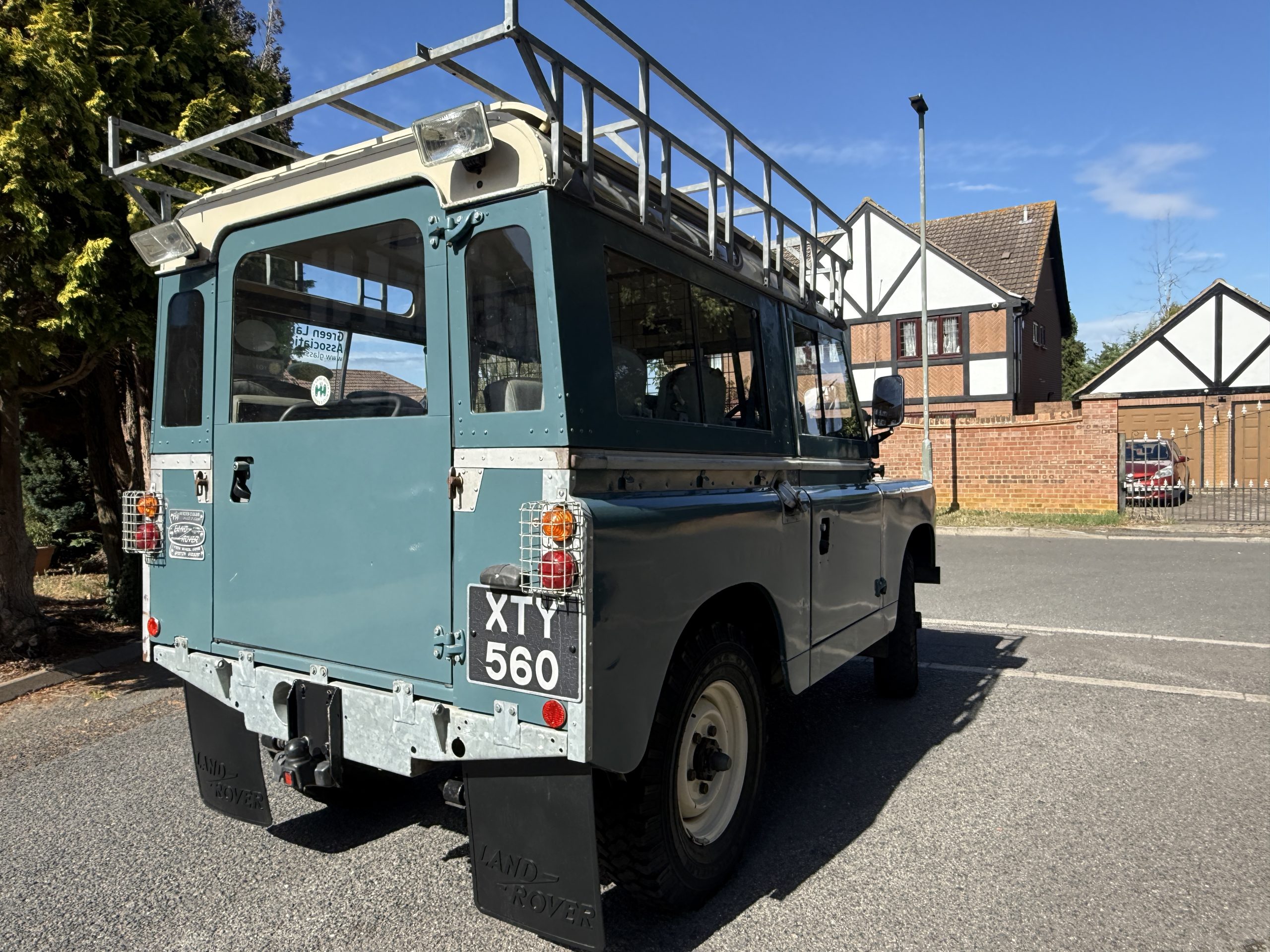
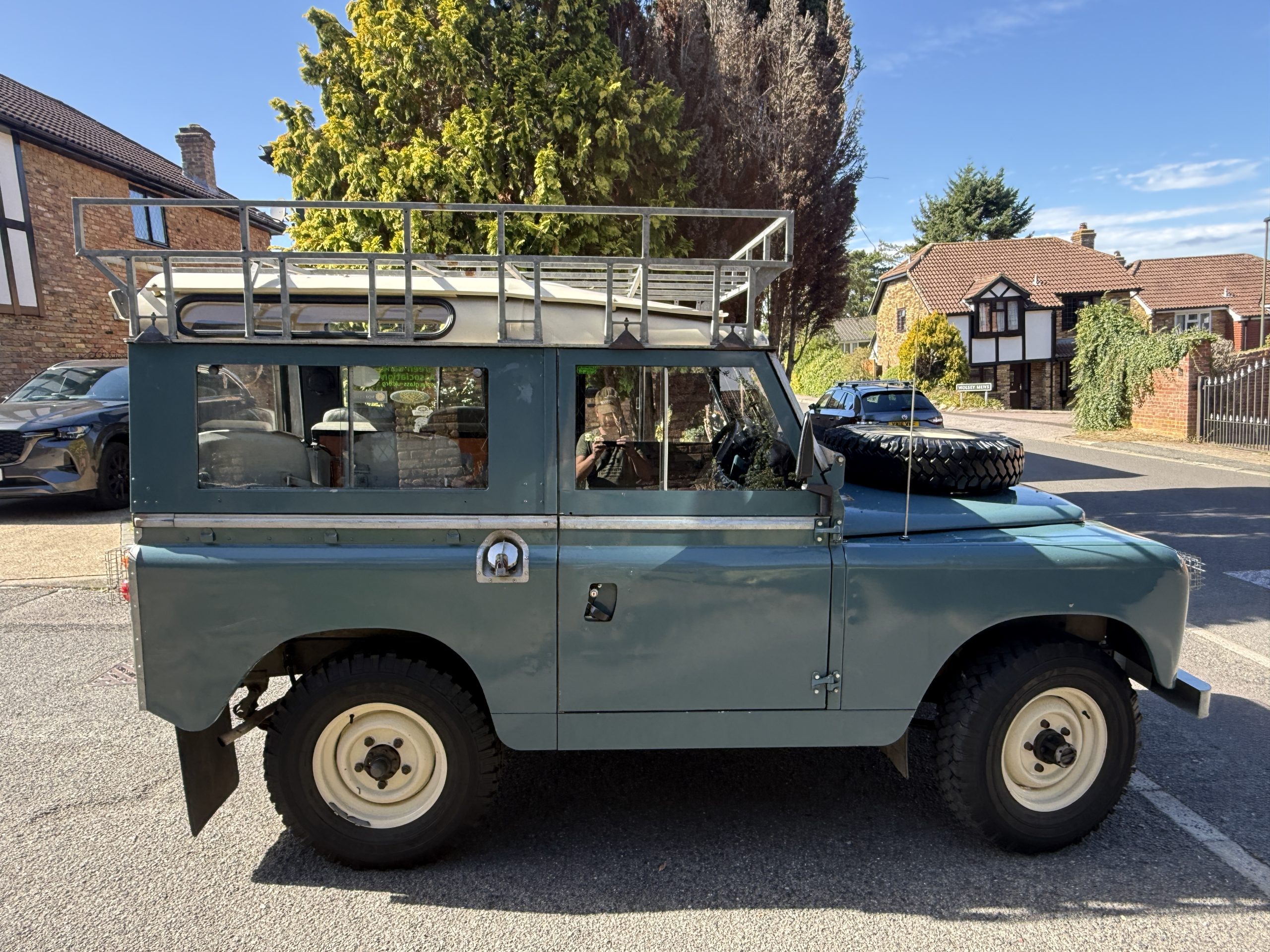
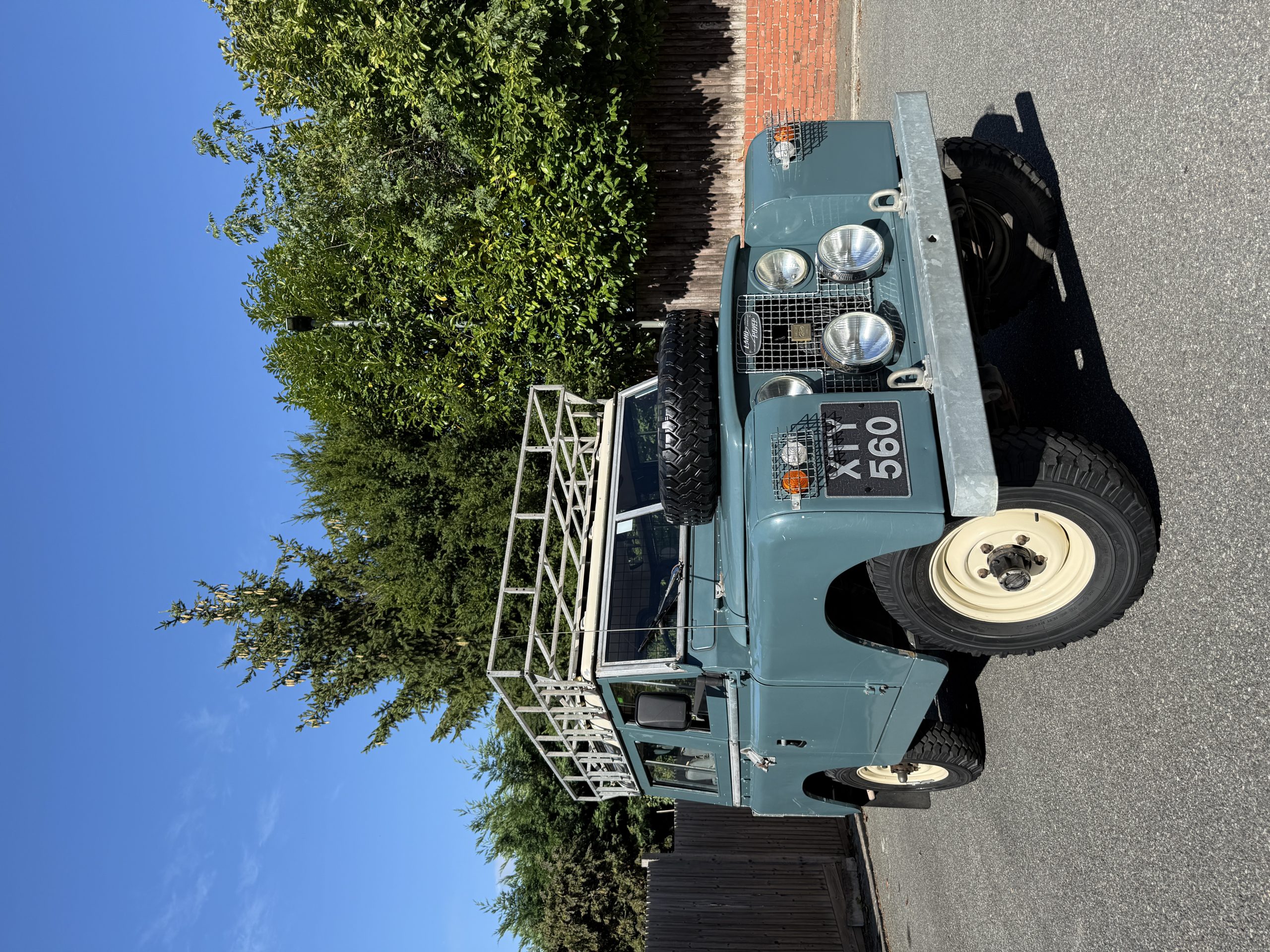
The body is finished in Marine Blue with a contrasting Limestone roof and wheels and has a bonnet-mounted spare wheel and Brownchurch roof rack.
From a few feet away it presents very nicely and, to my eyes at least, looks exactly as an old Series Land Rover should.
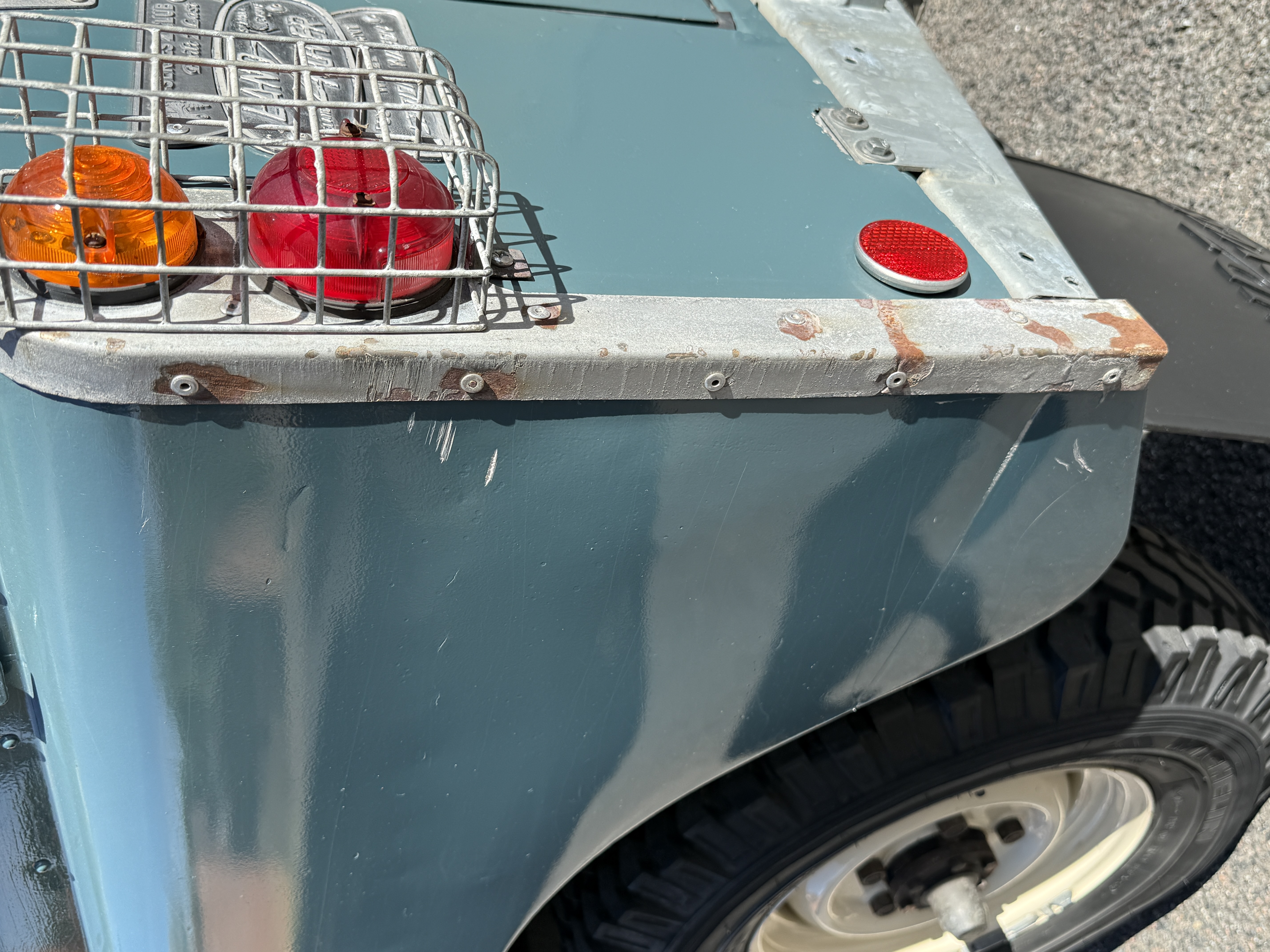
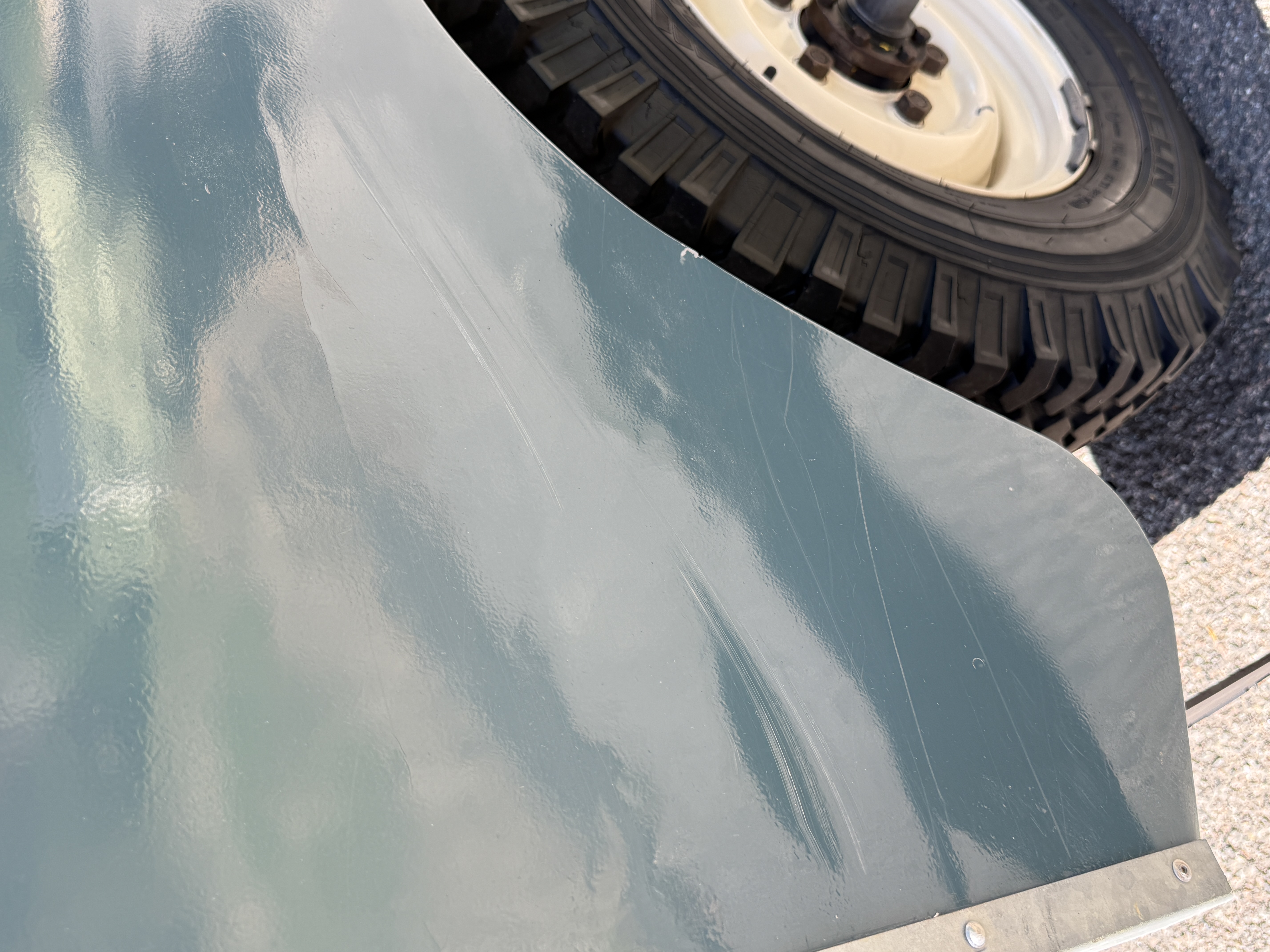
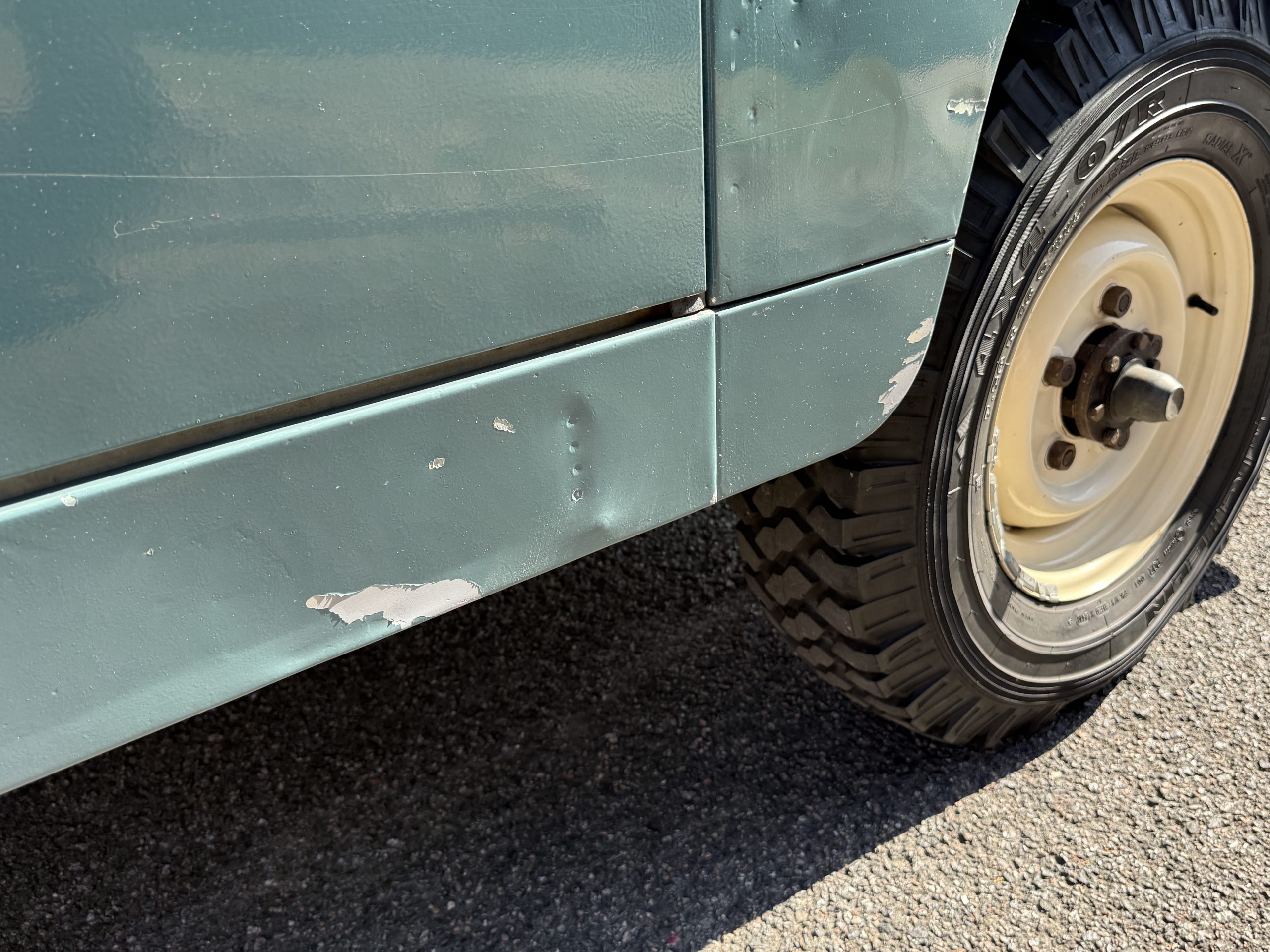
Up close, there is no hiding the fact that it has been used.
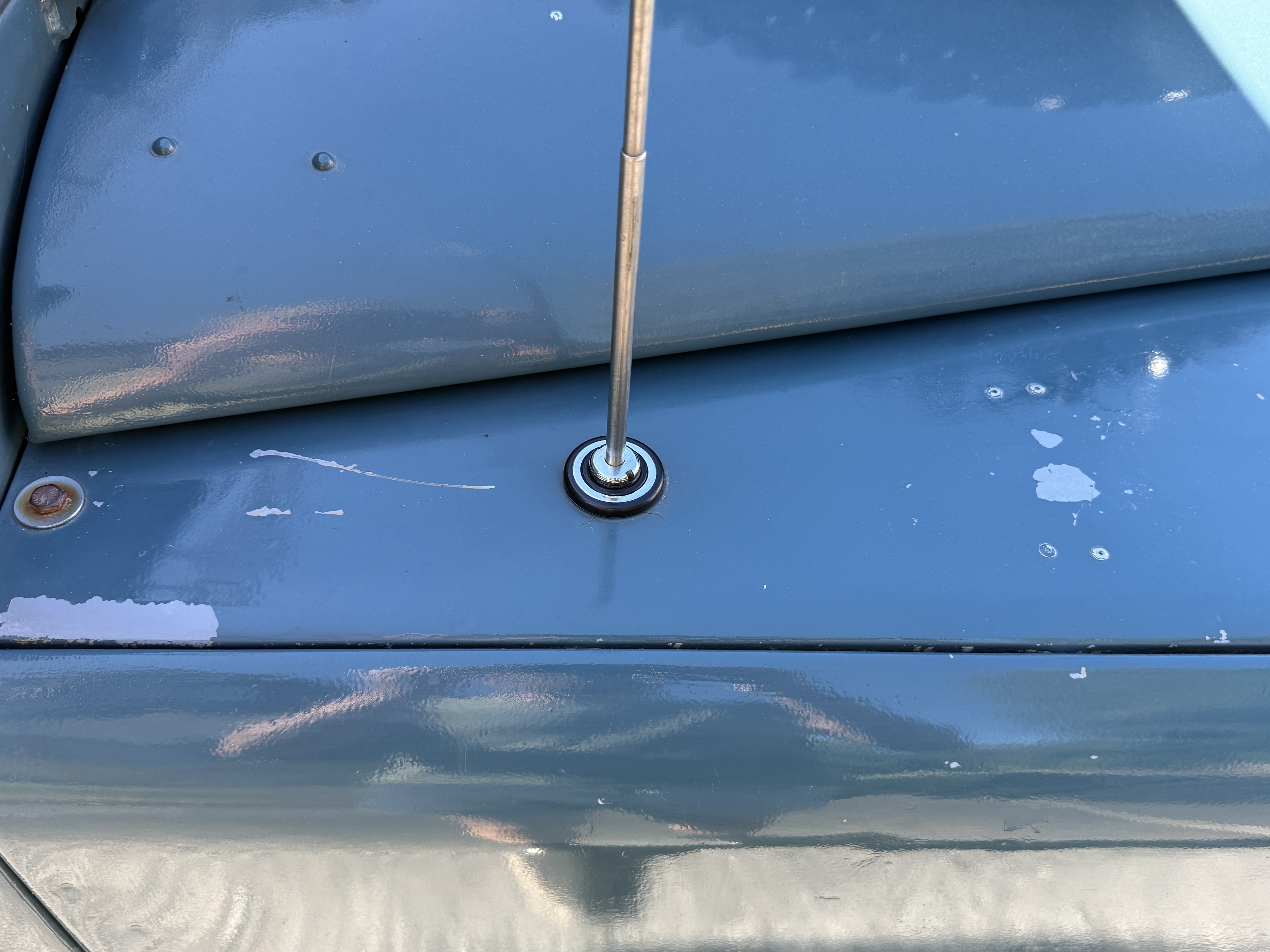
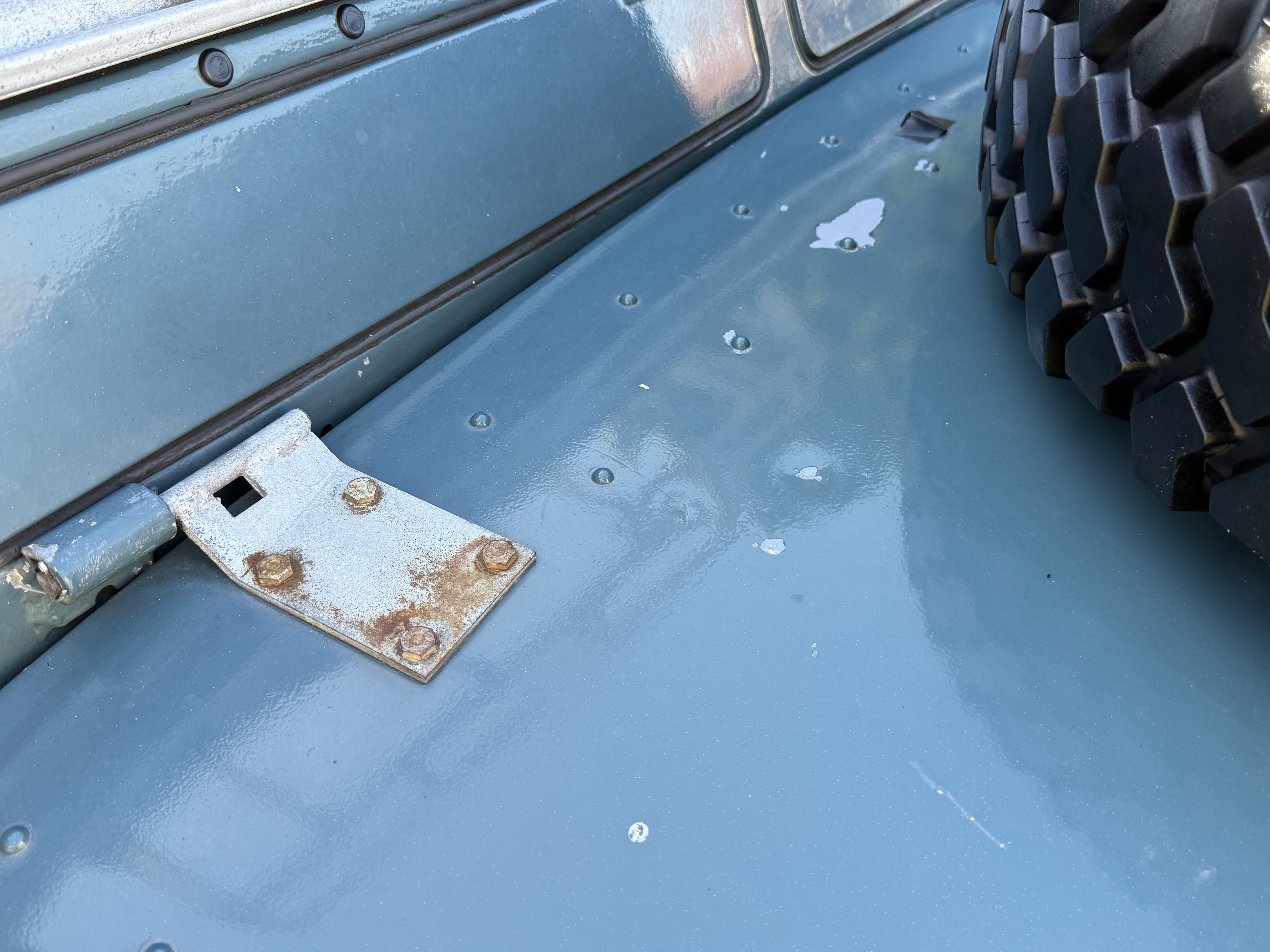
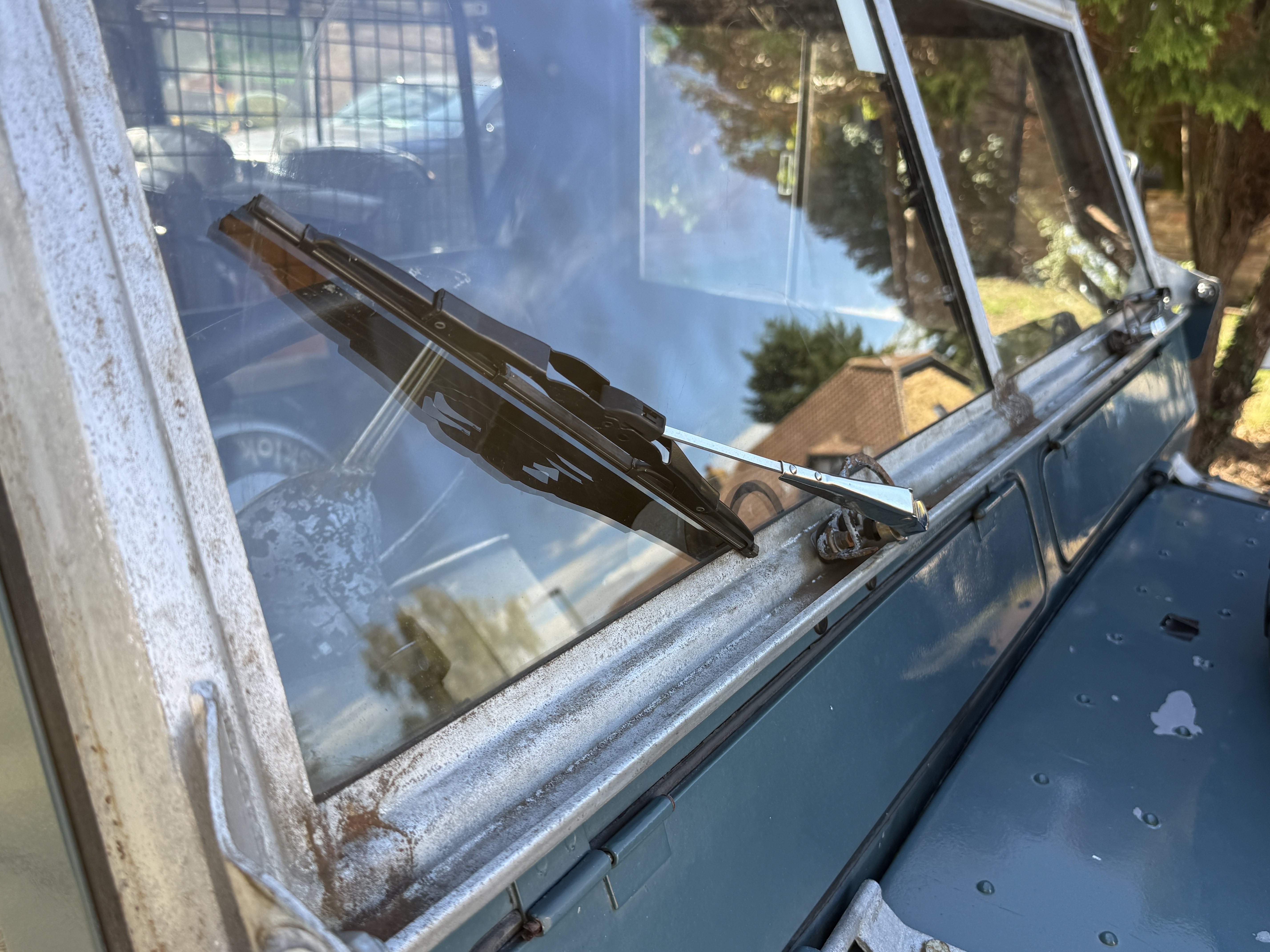
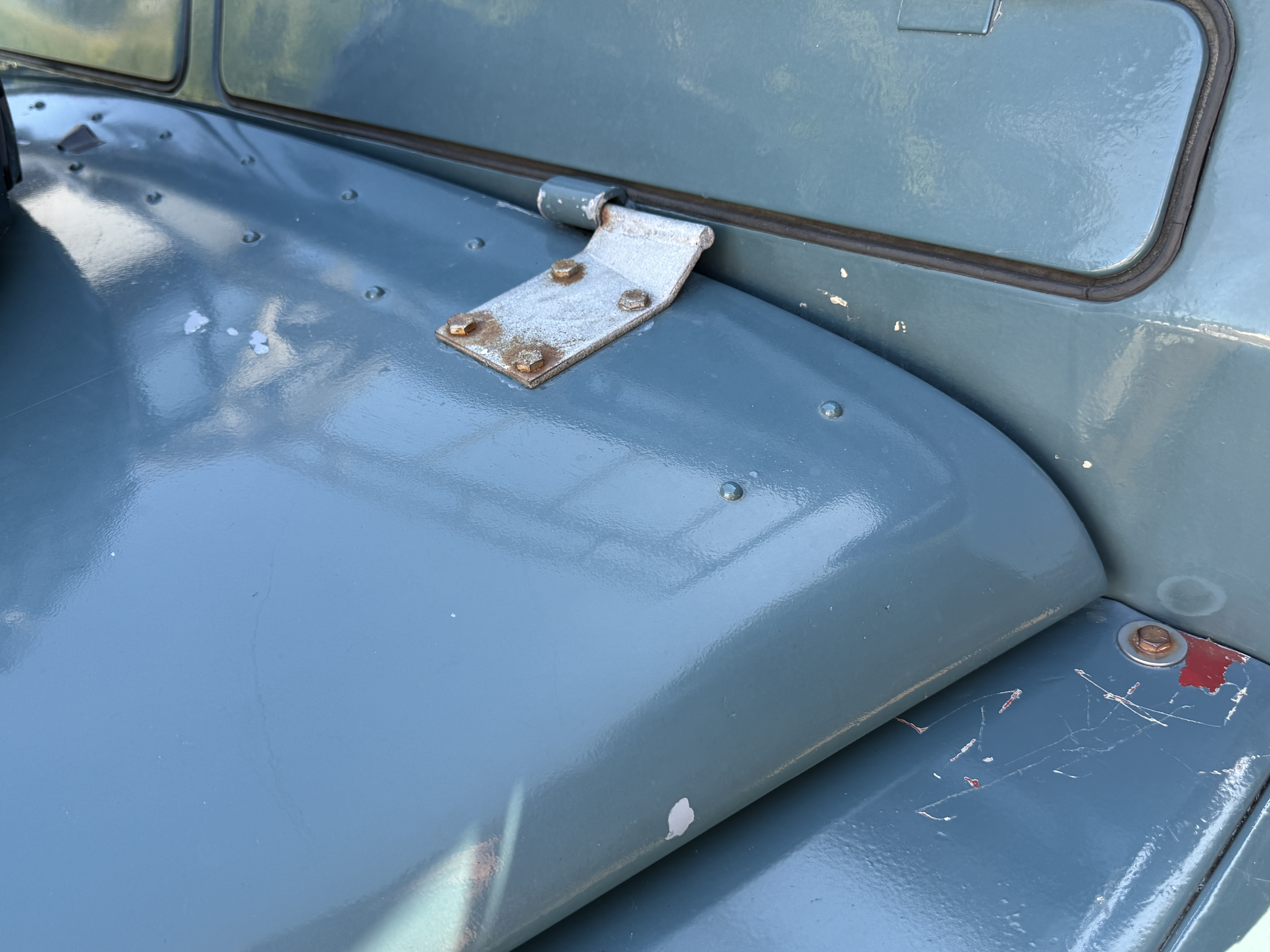
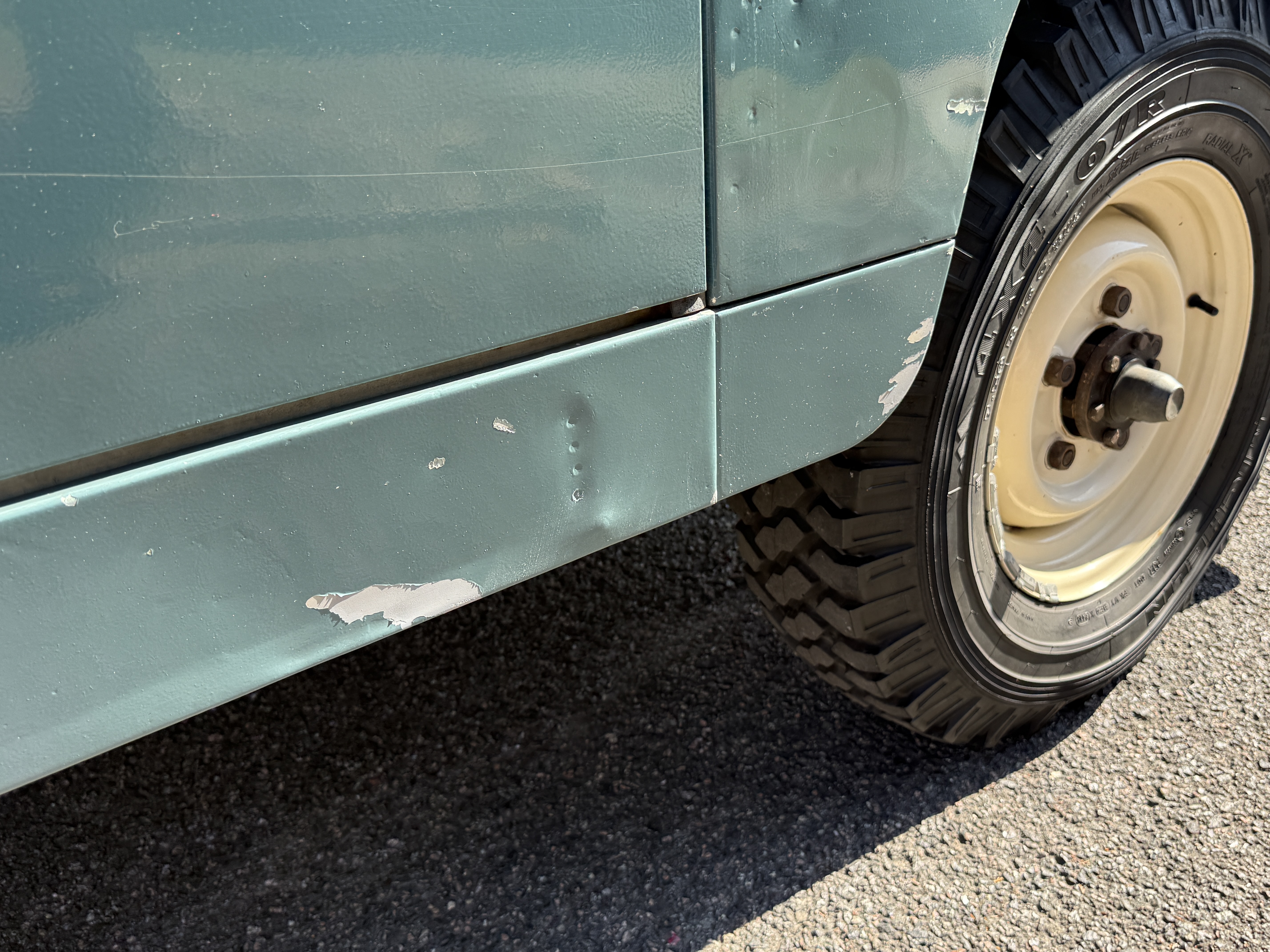
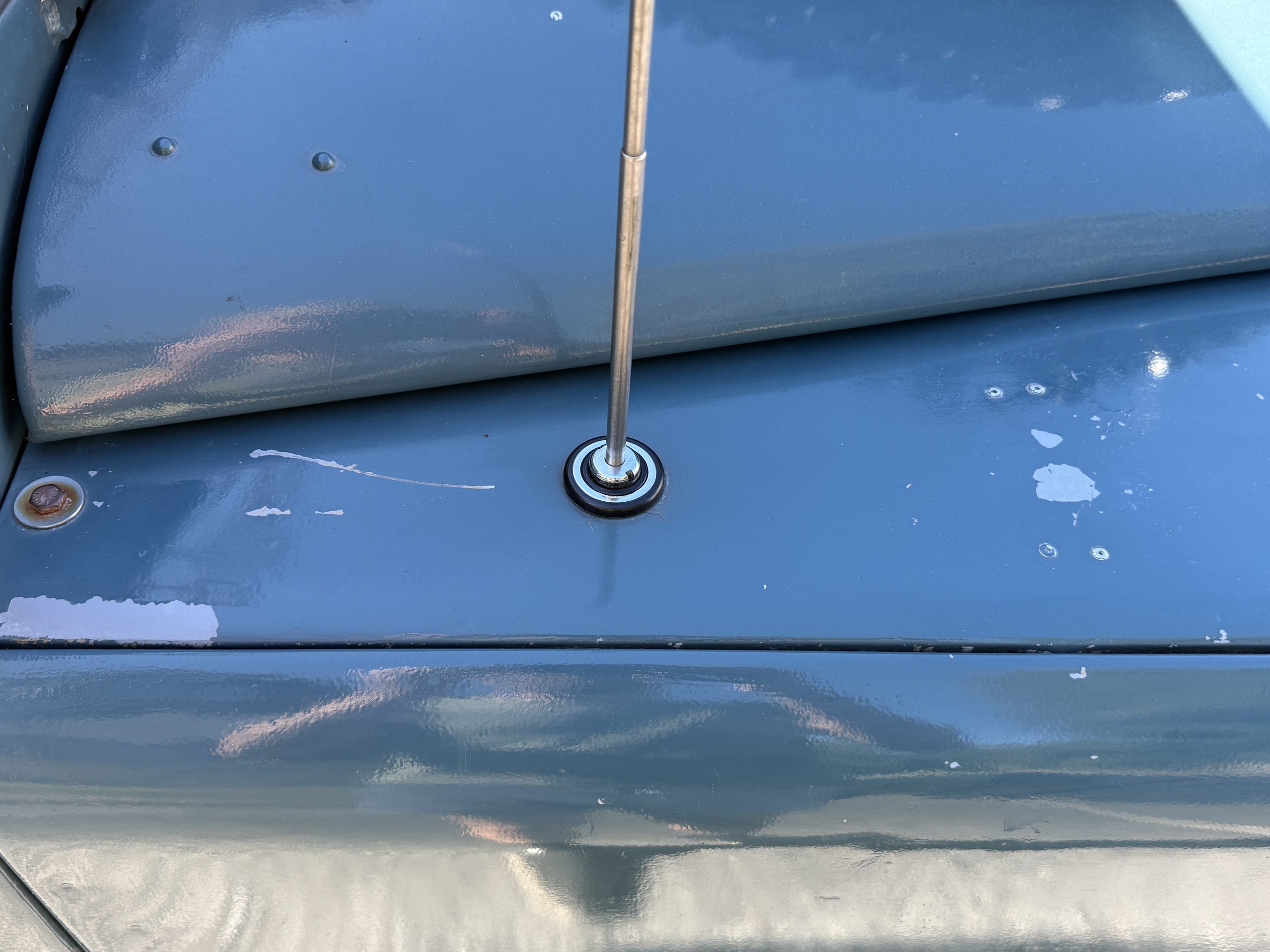
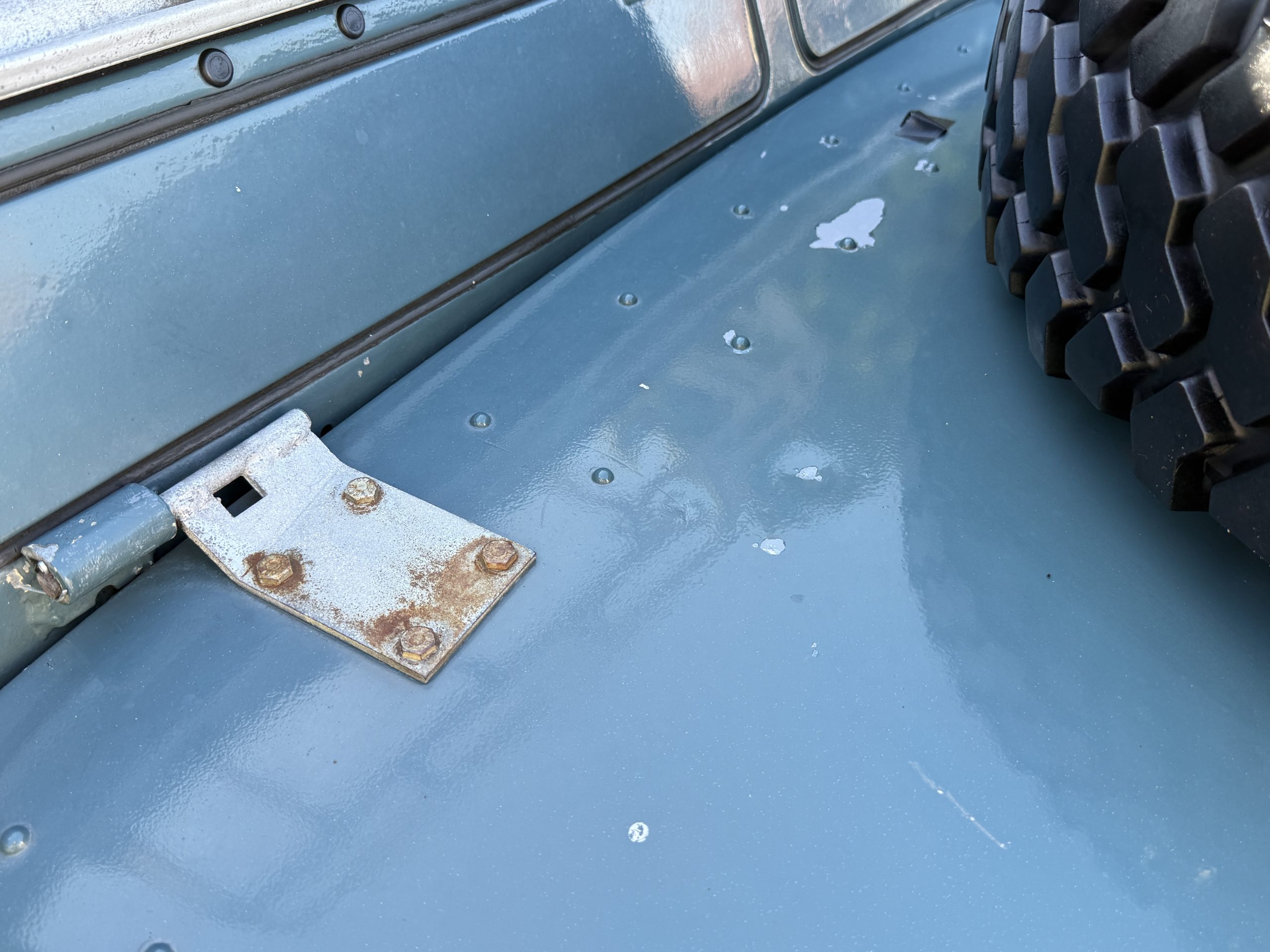
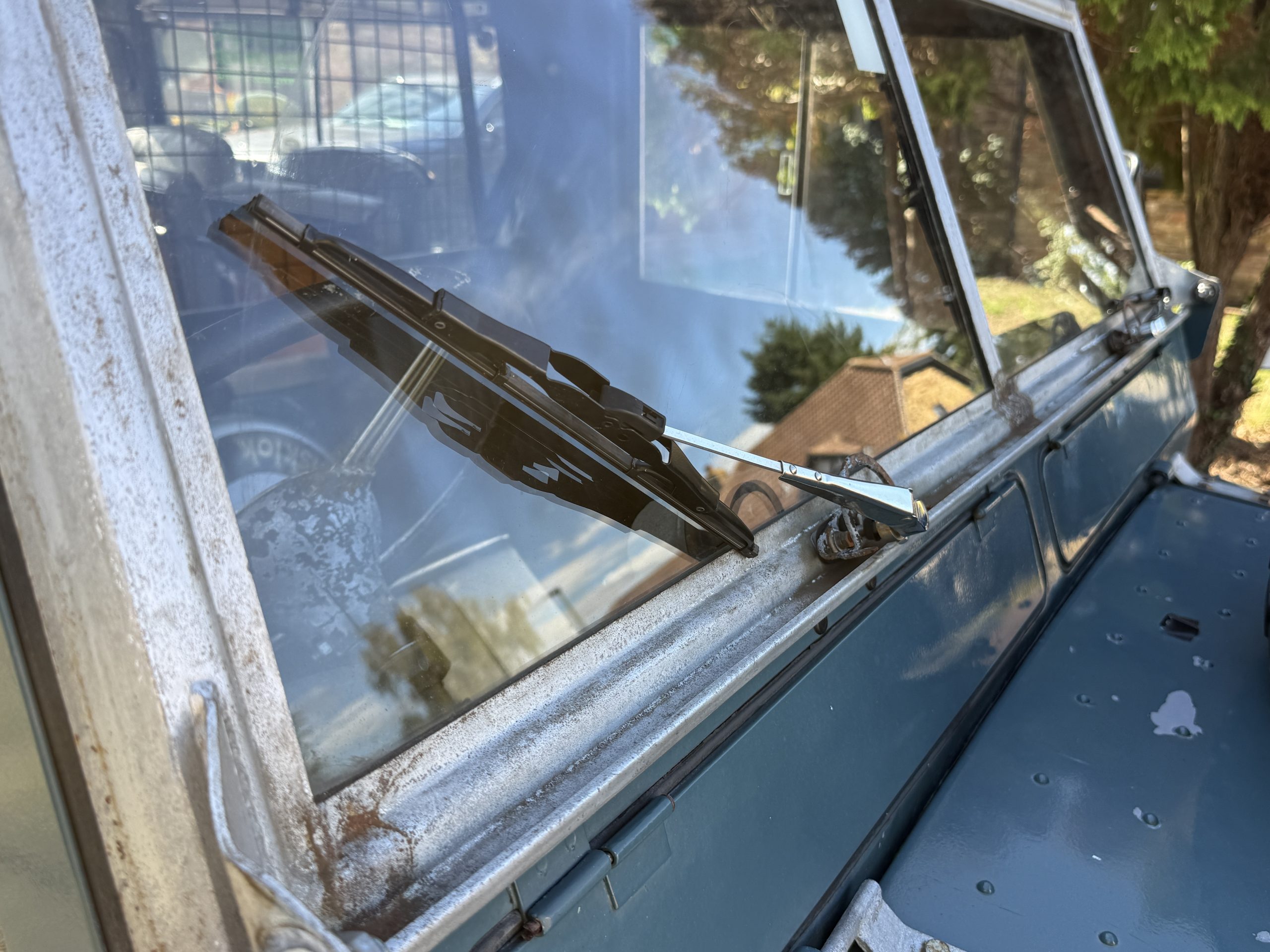
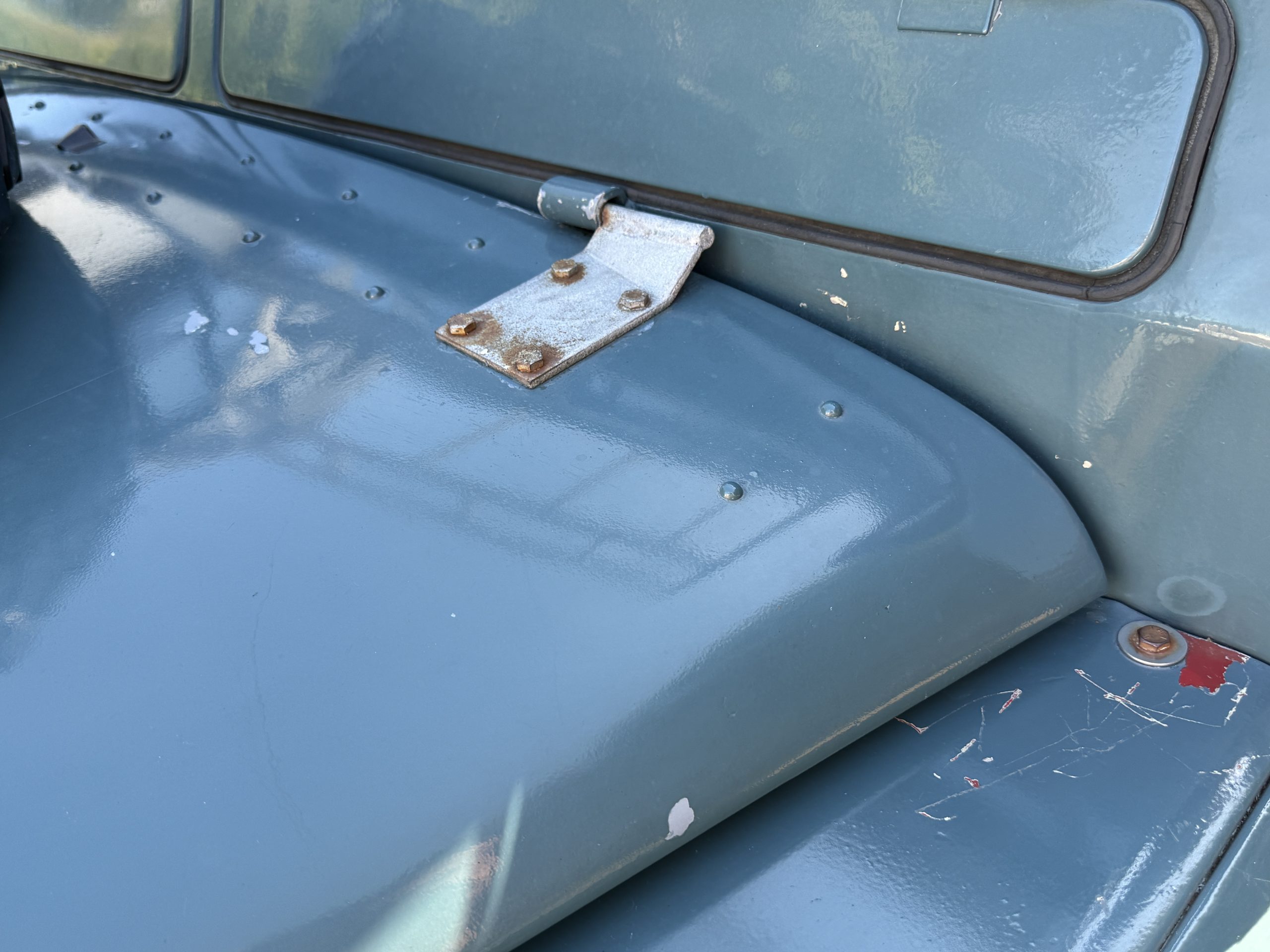
The body was brush/roller painted during the rebuild rather than professionally spray painted, so there is visible texture to the finish. Since then it has accumulated scratches, chips, areas of paint loss and general wear. There is also age and surface corrosion to some of the fittings and fasteners.
I have deliberately photographed these areas rather than attempting to disguise them.
If you are looking for immaculate paintwork or a concours vehicle, this probably isn’t the Land Rover for you. On the other hand, if you want a Series IIA that you can actually use without worrying about every branch, muddy lane or stone chip, its condition is quite liberating.
Interior
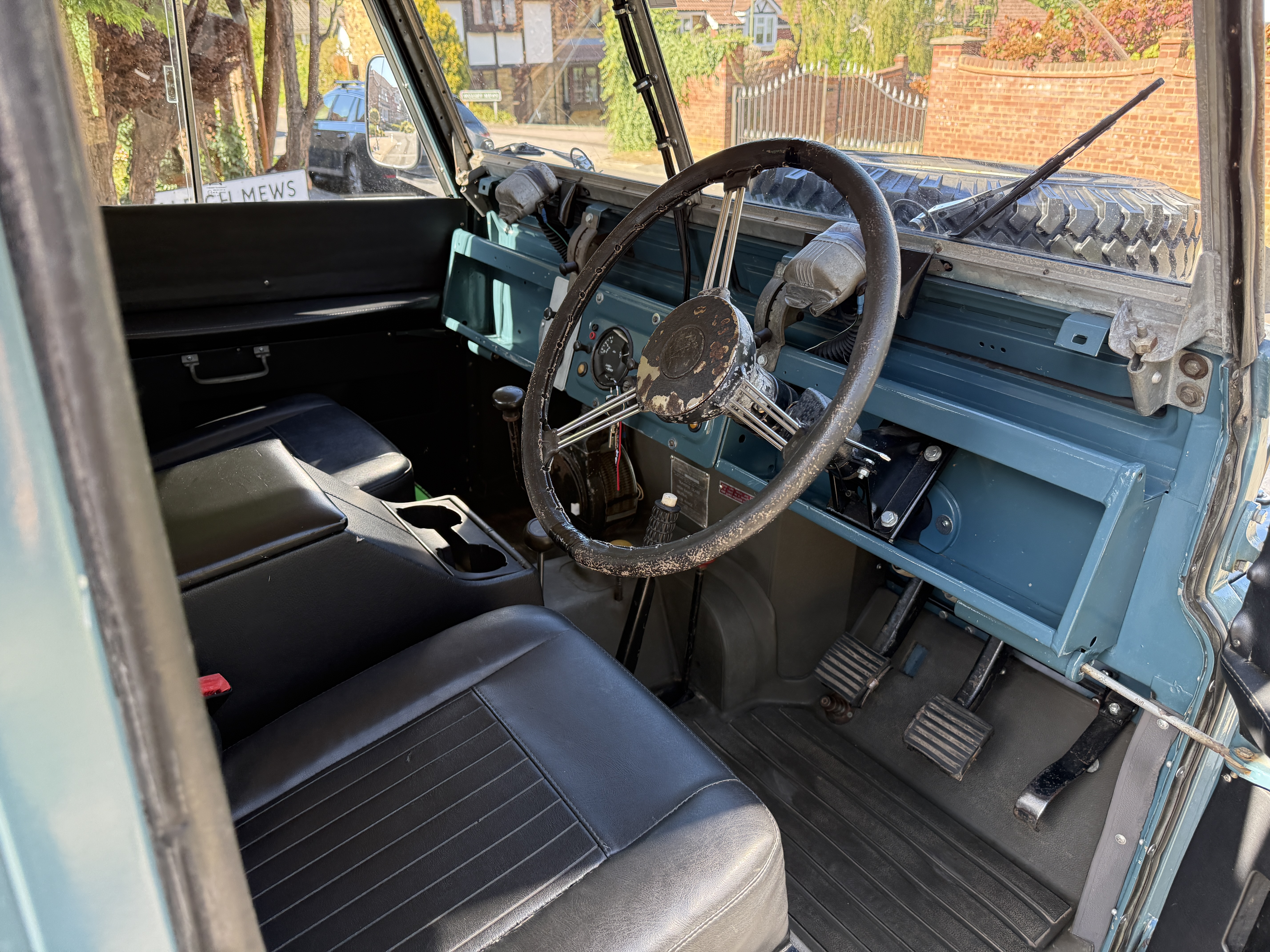
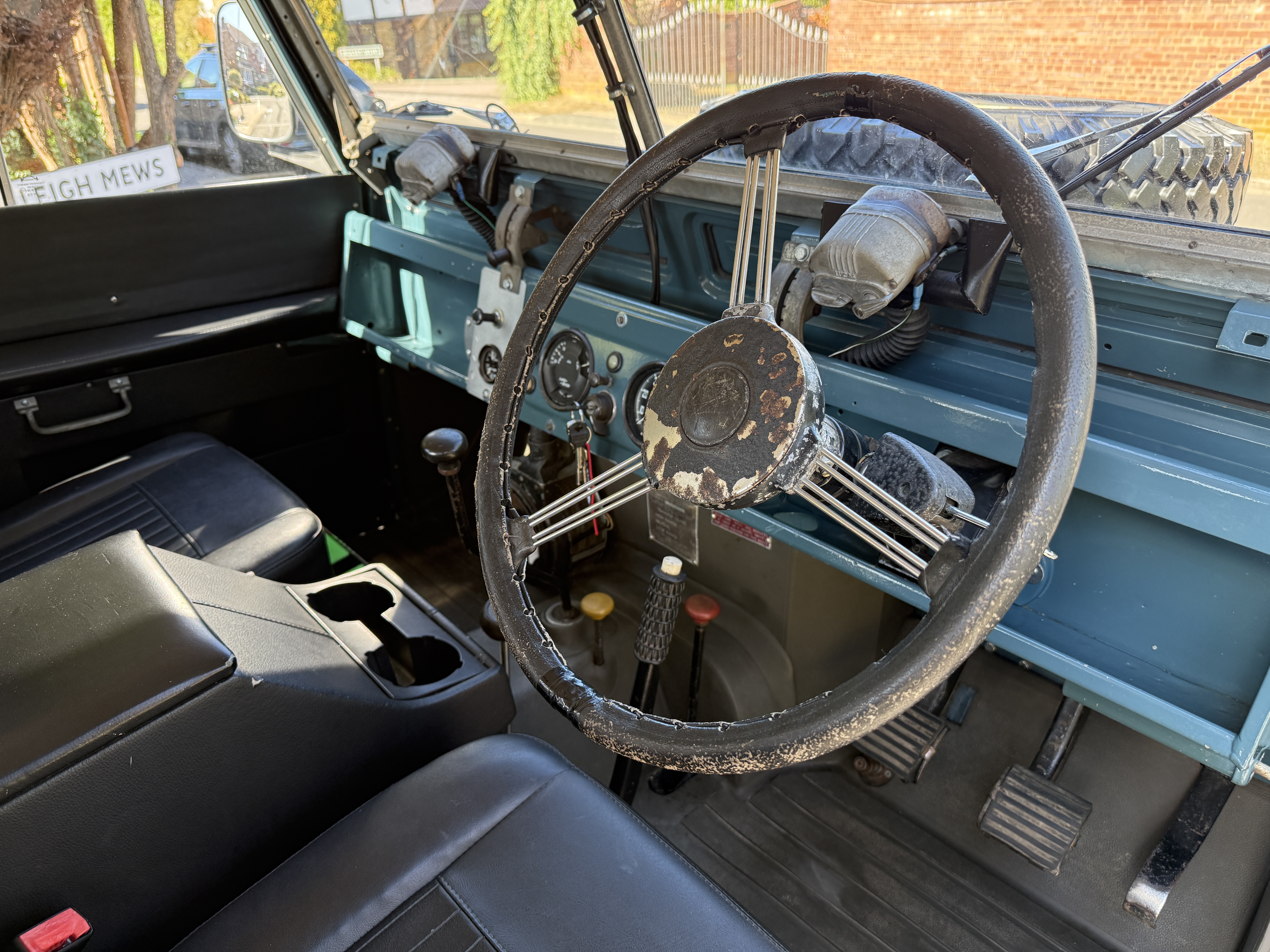
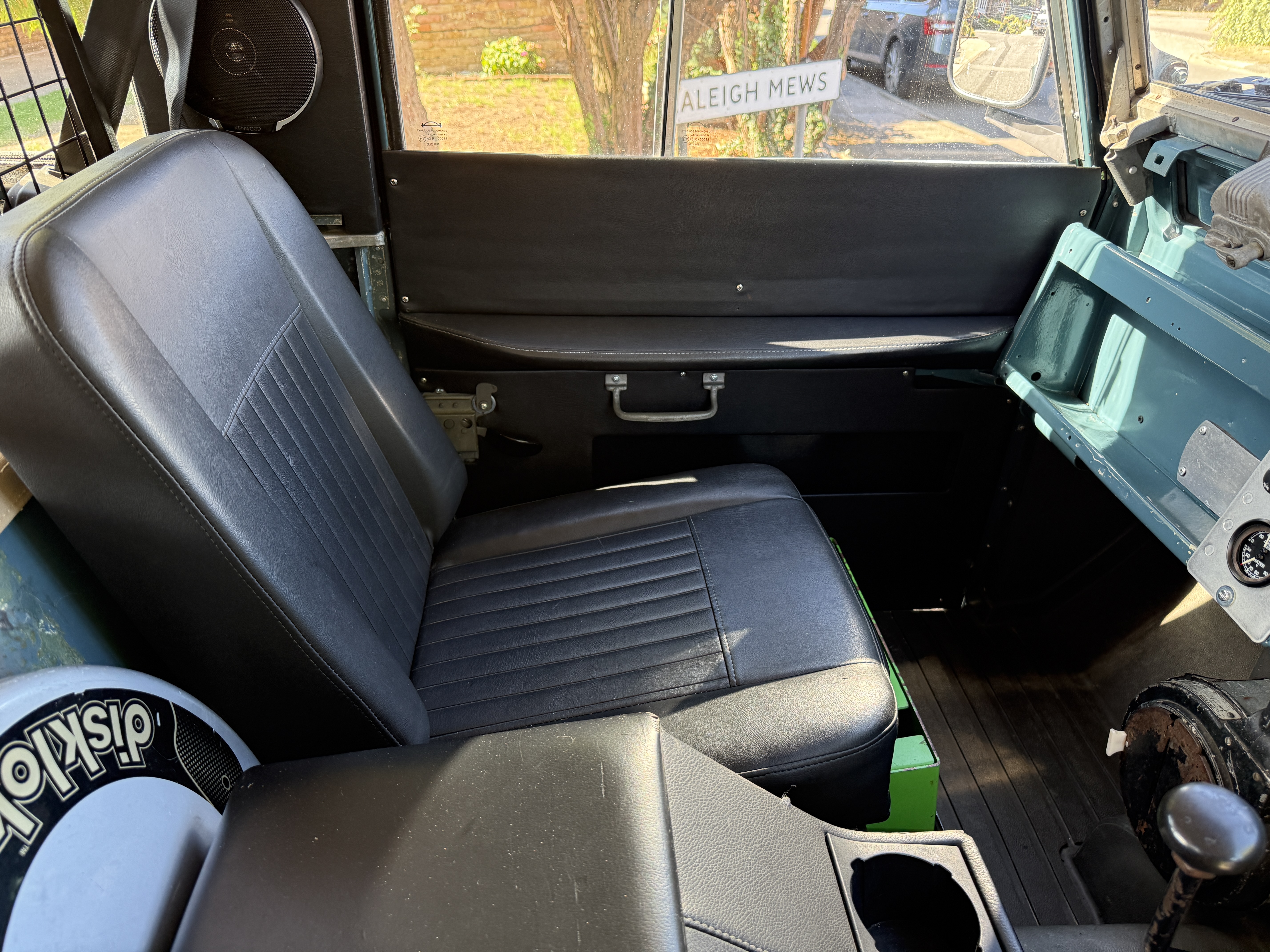
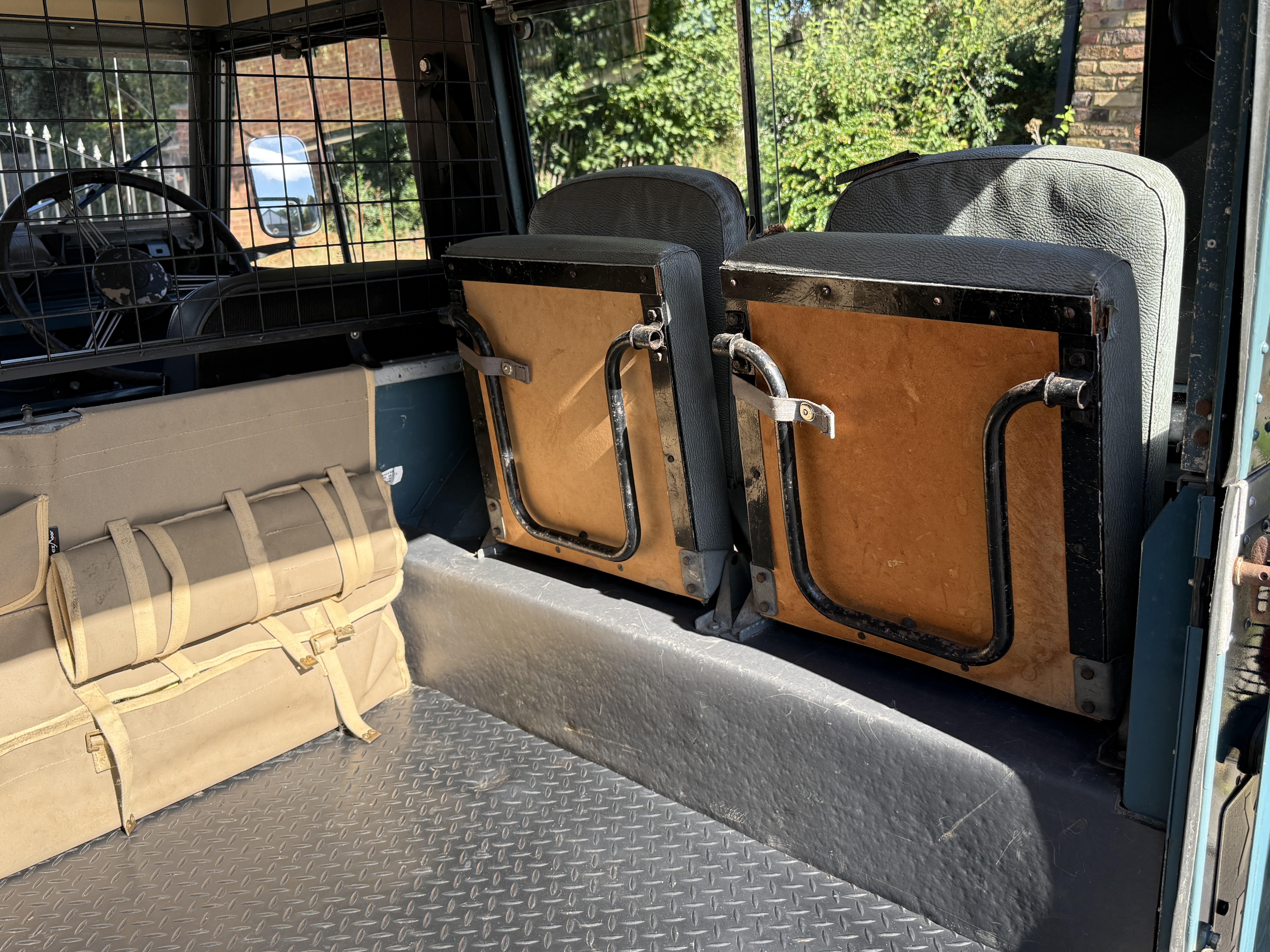
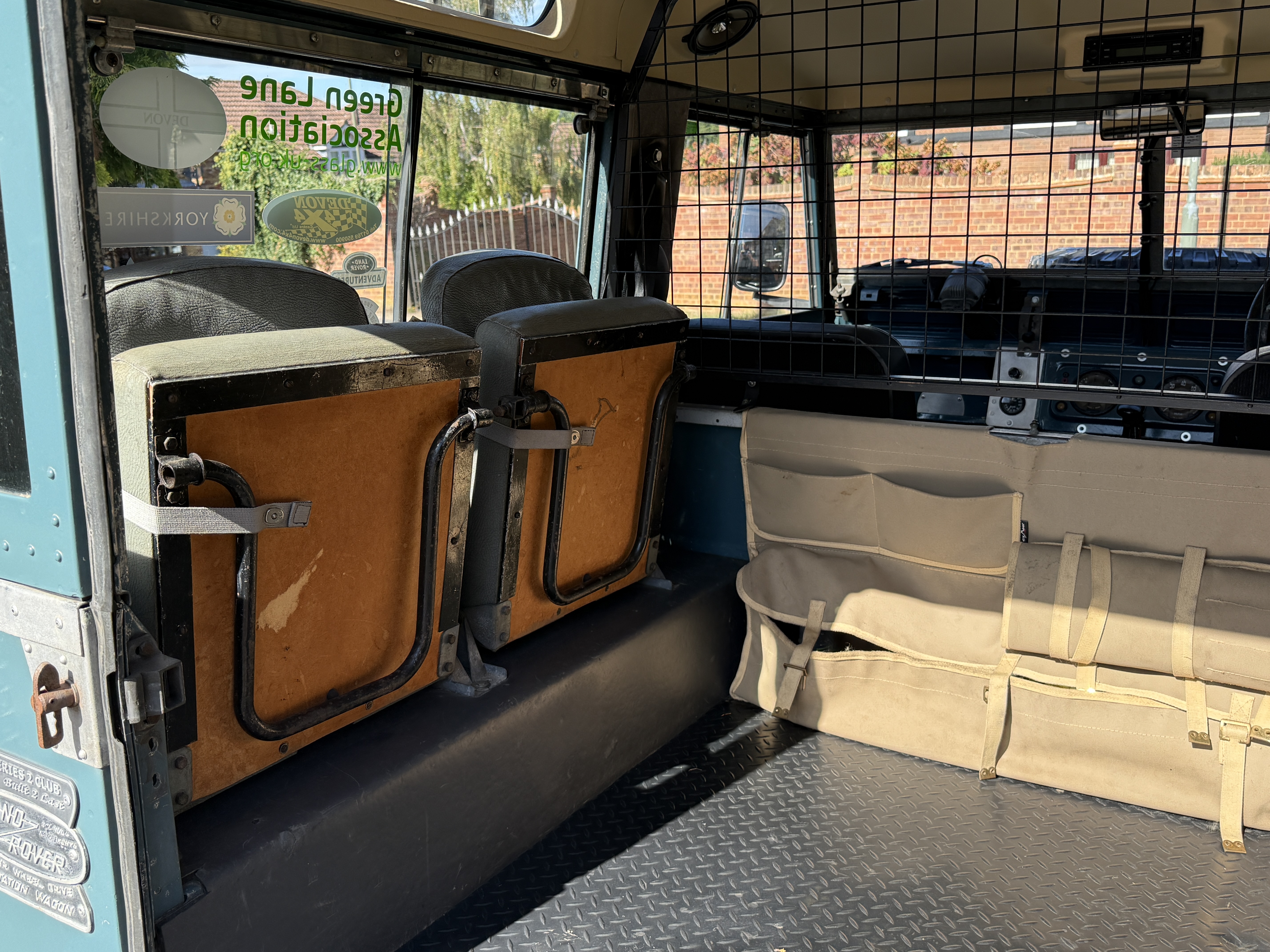
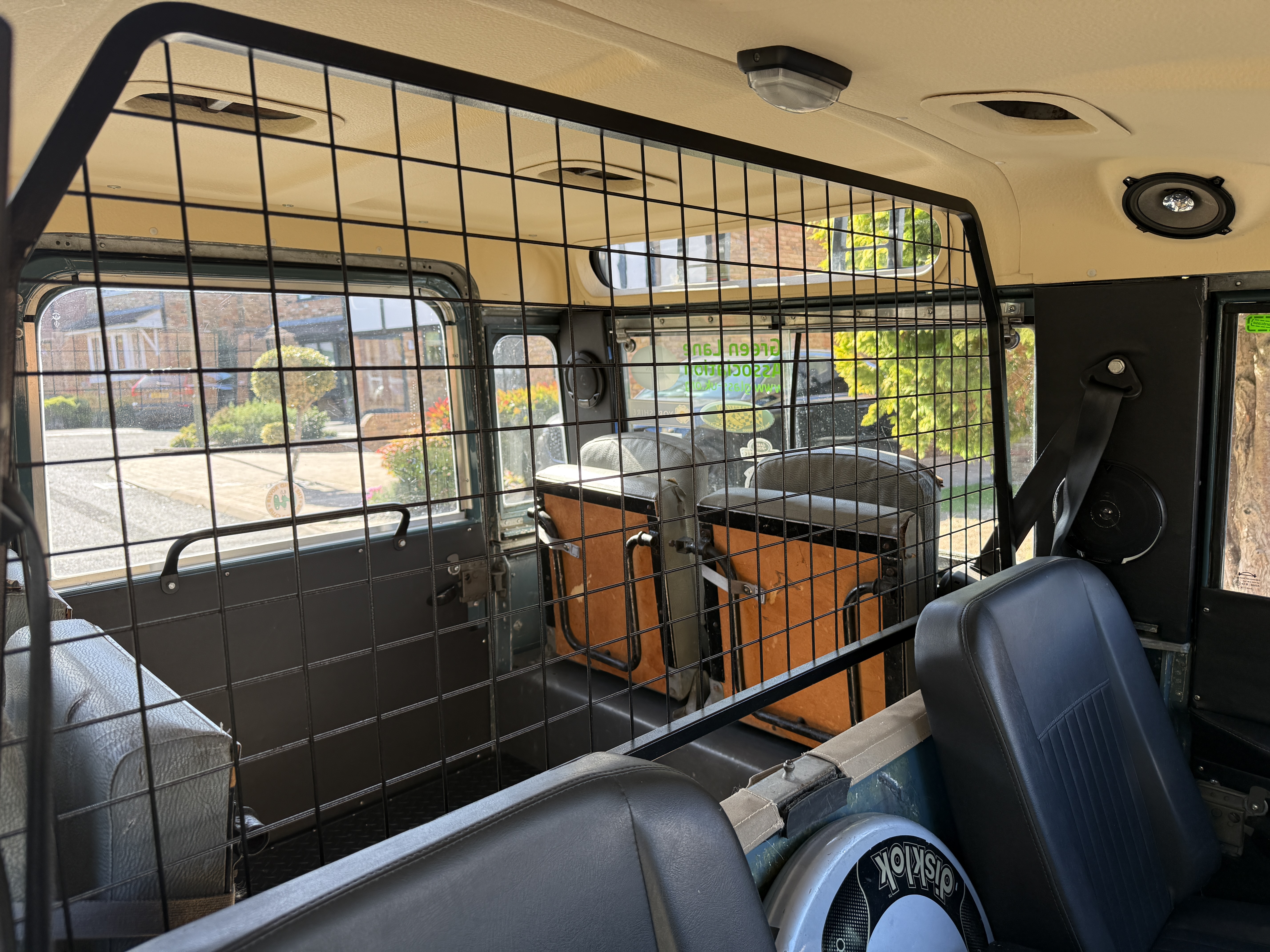
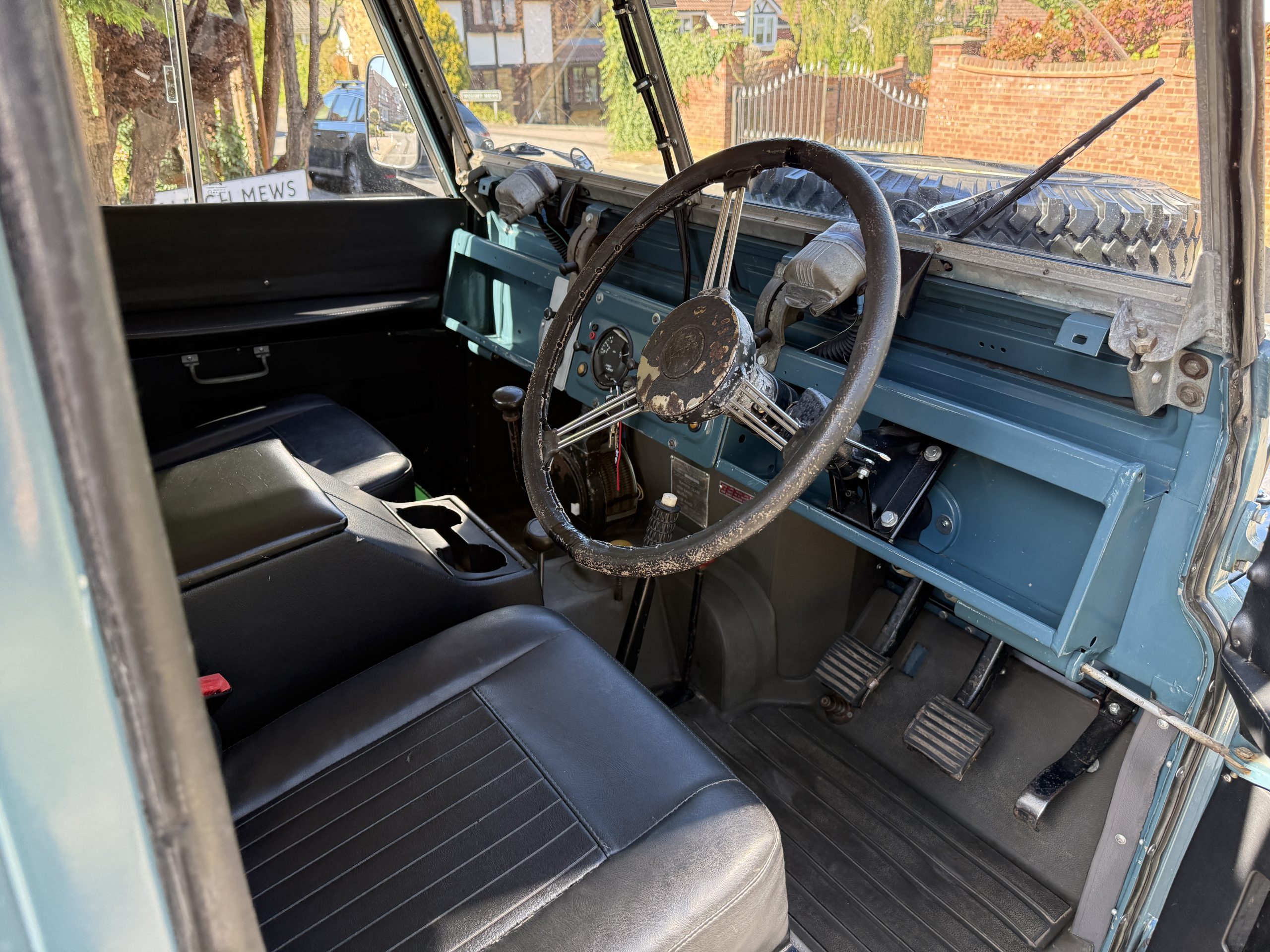
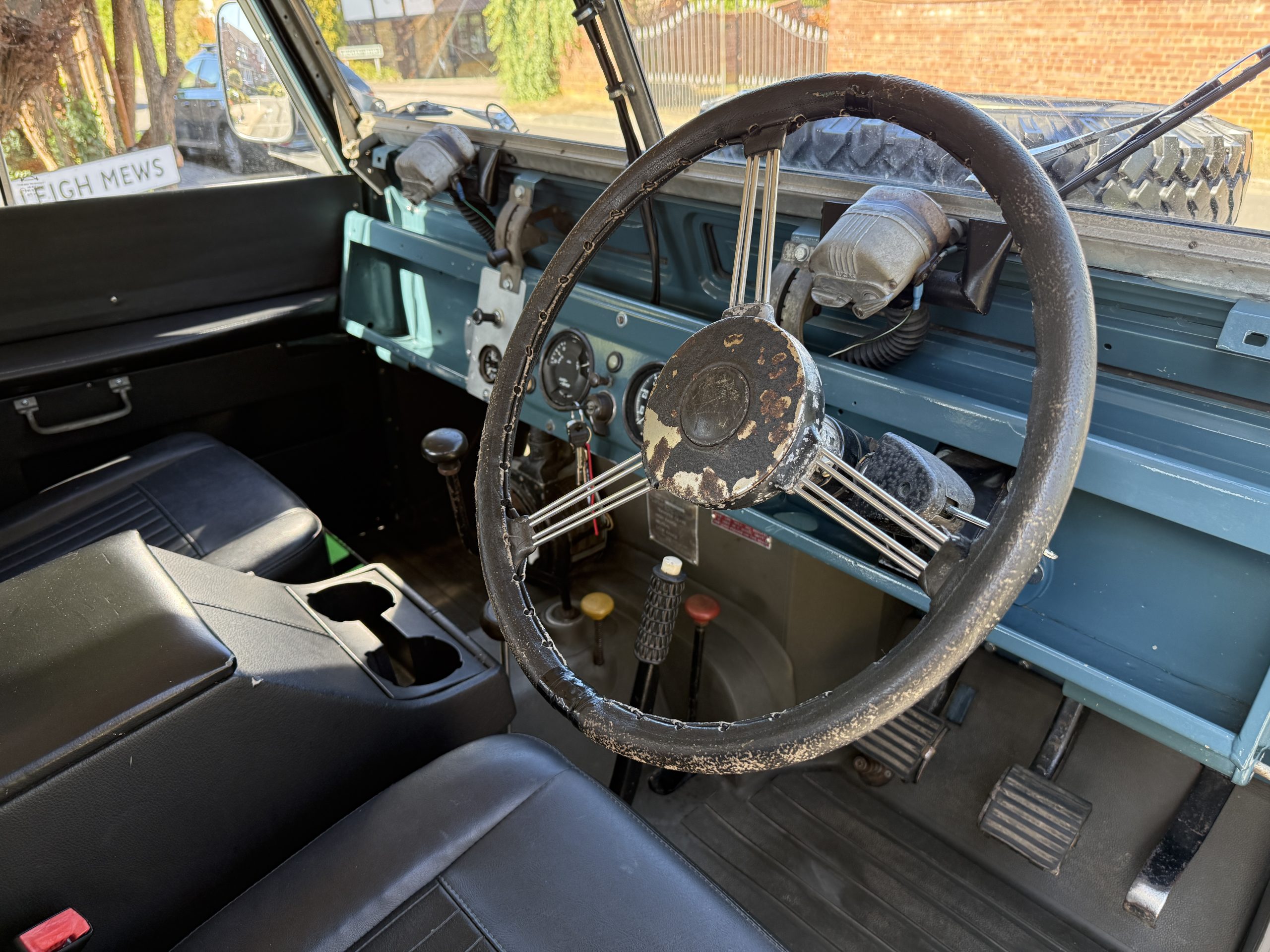
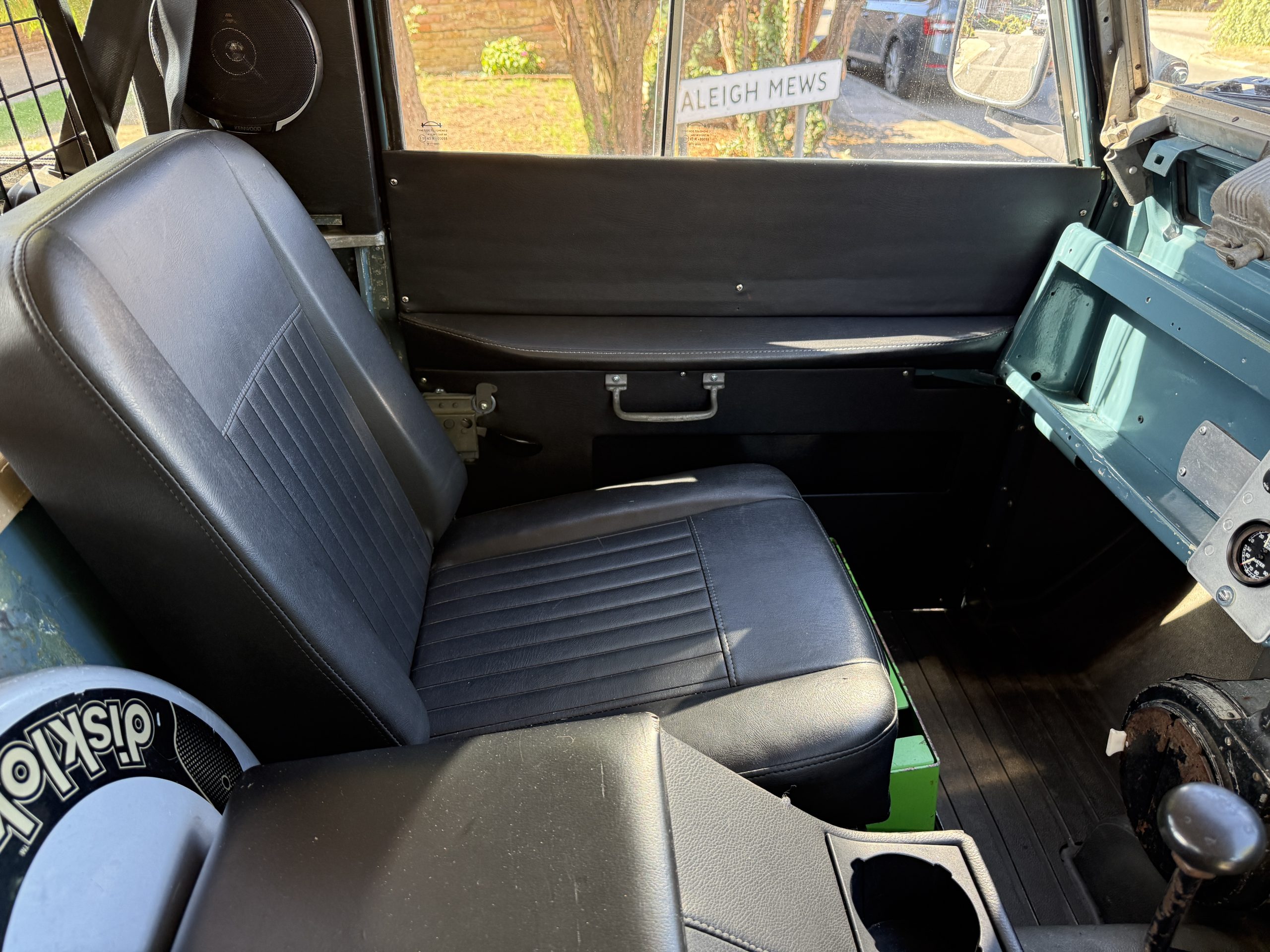
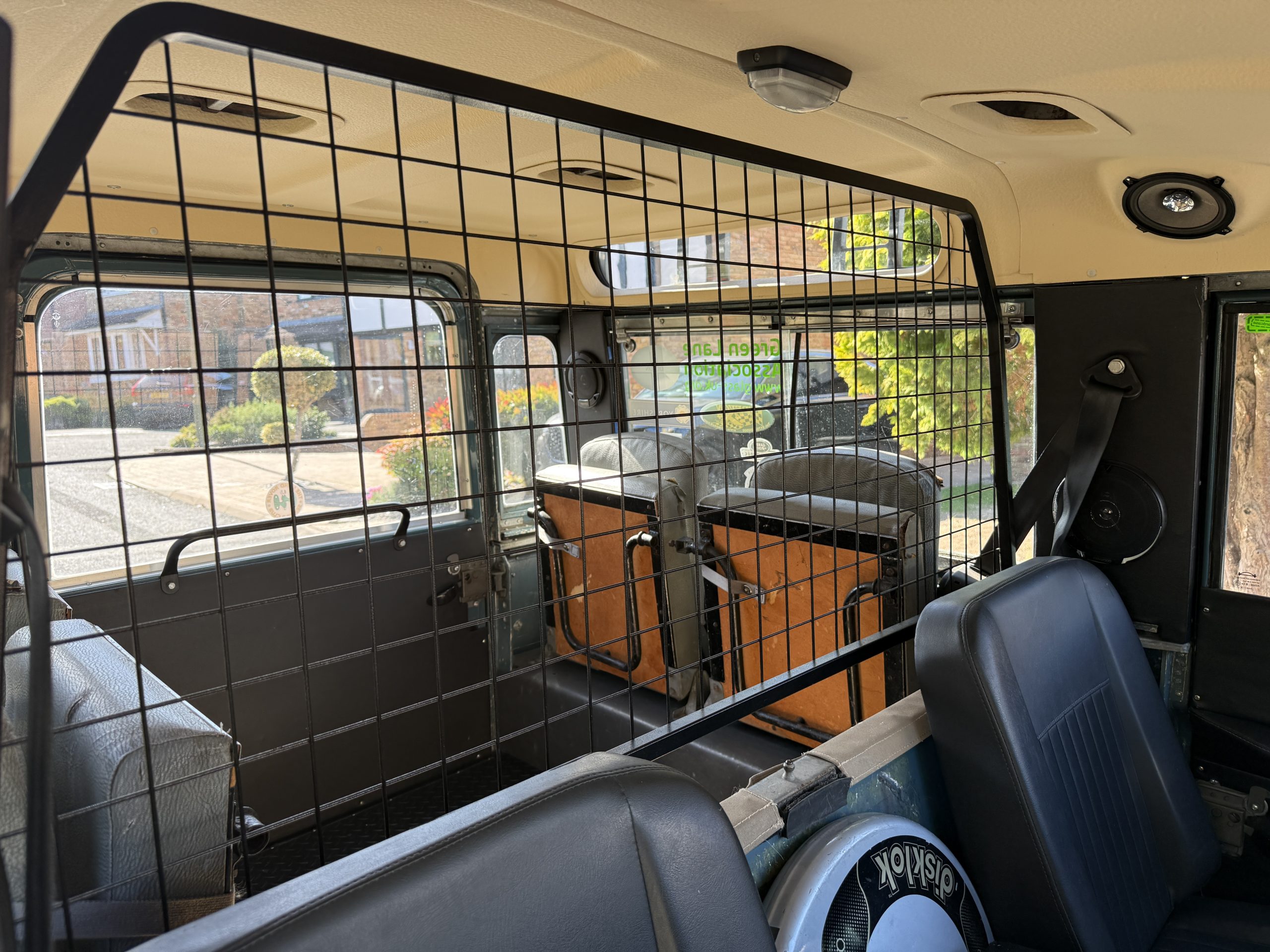
The interior has been made considerably more civilised without losing the simplicity and character of a Series Land Rover.
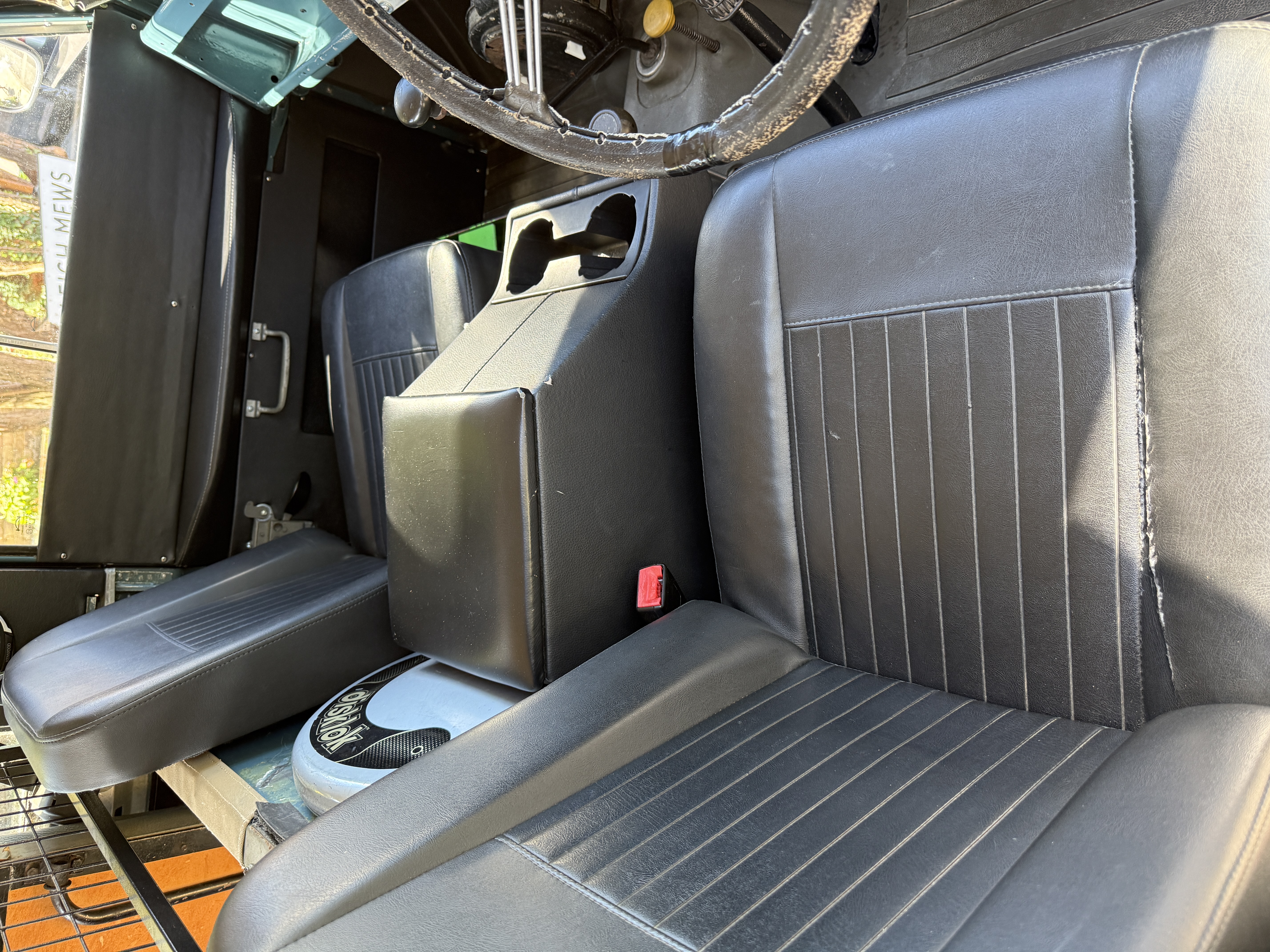
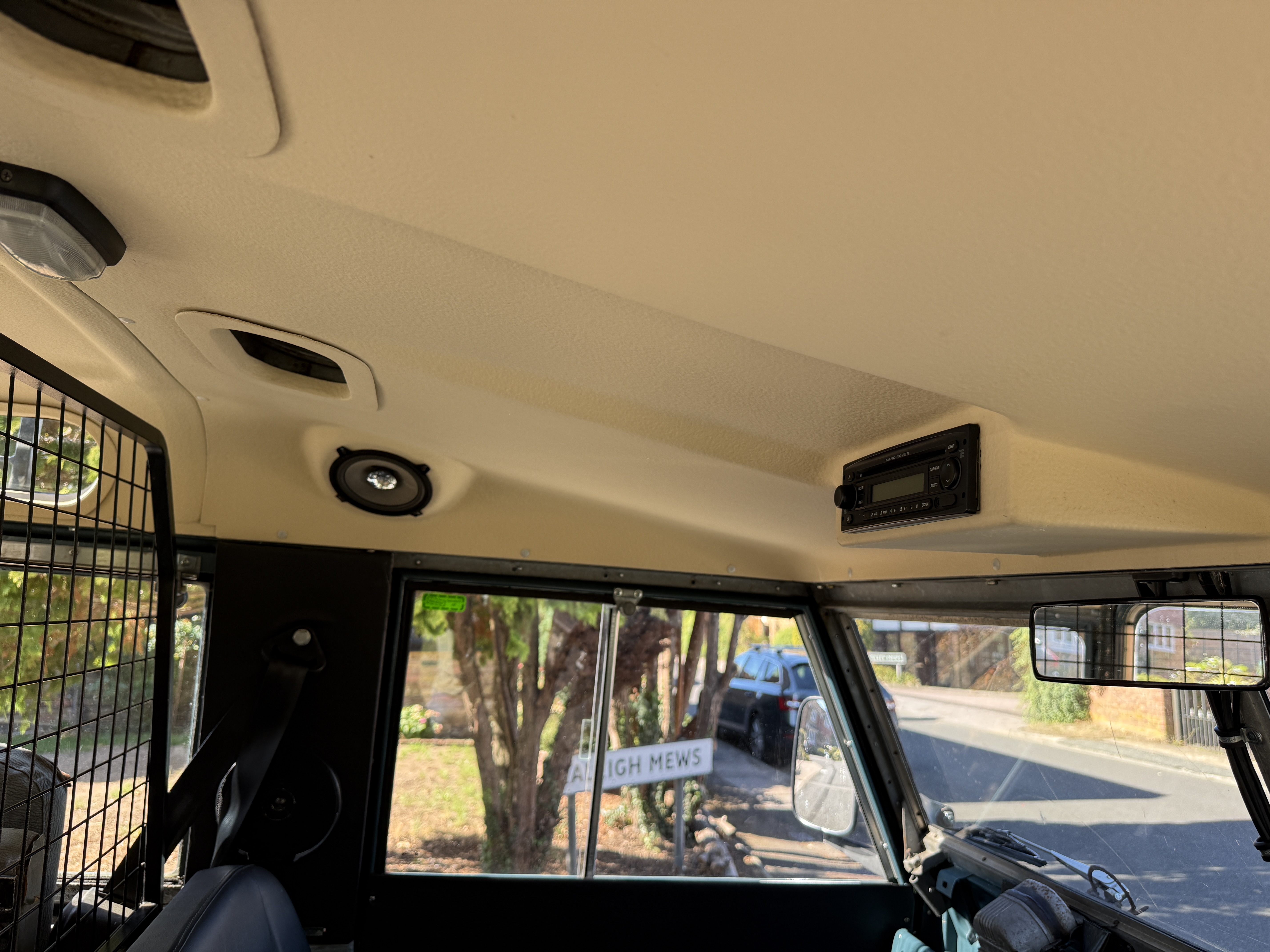
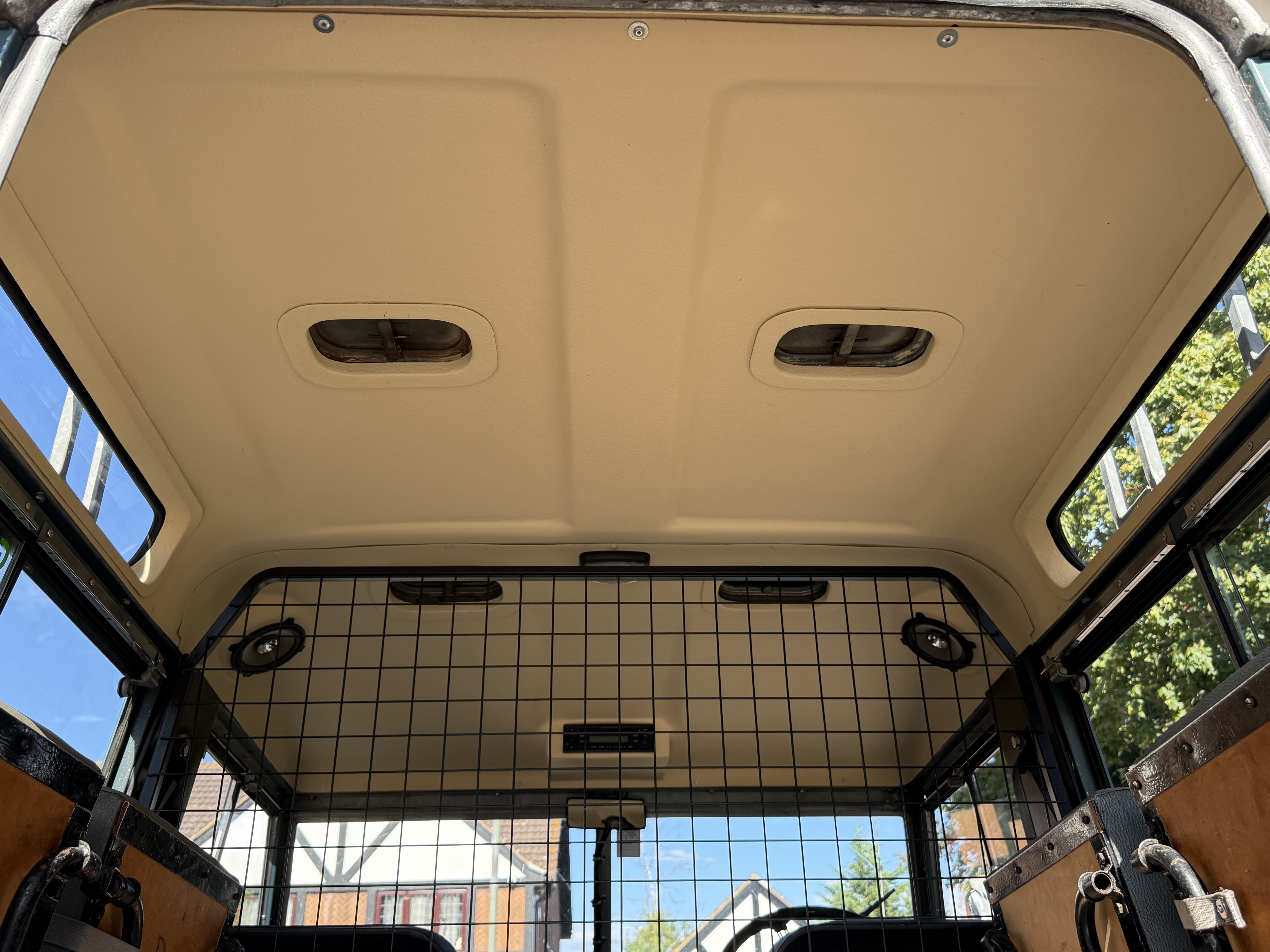
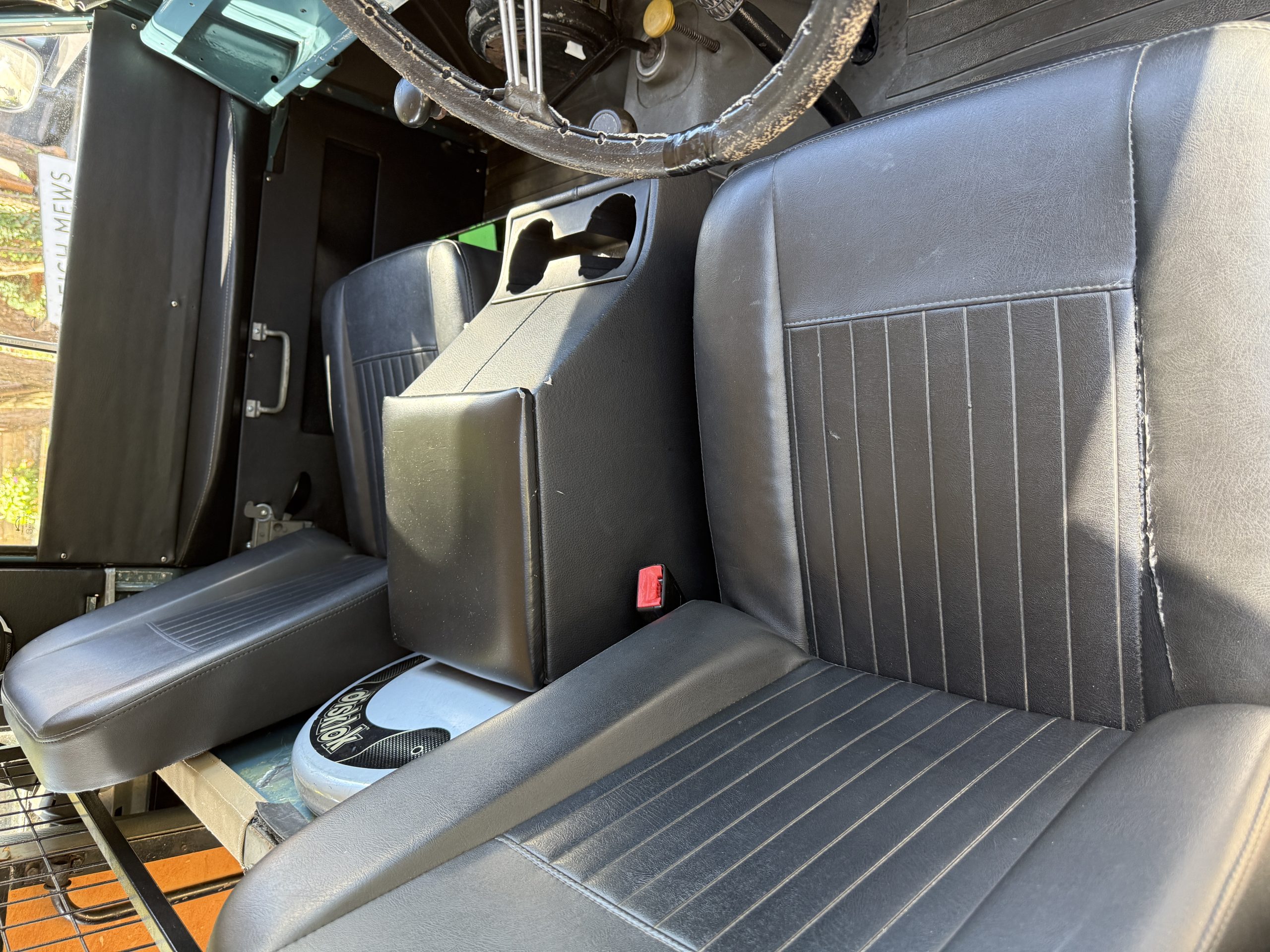
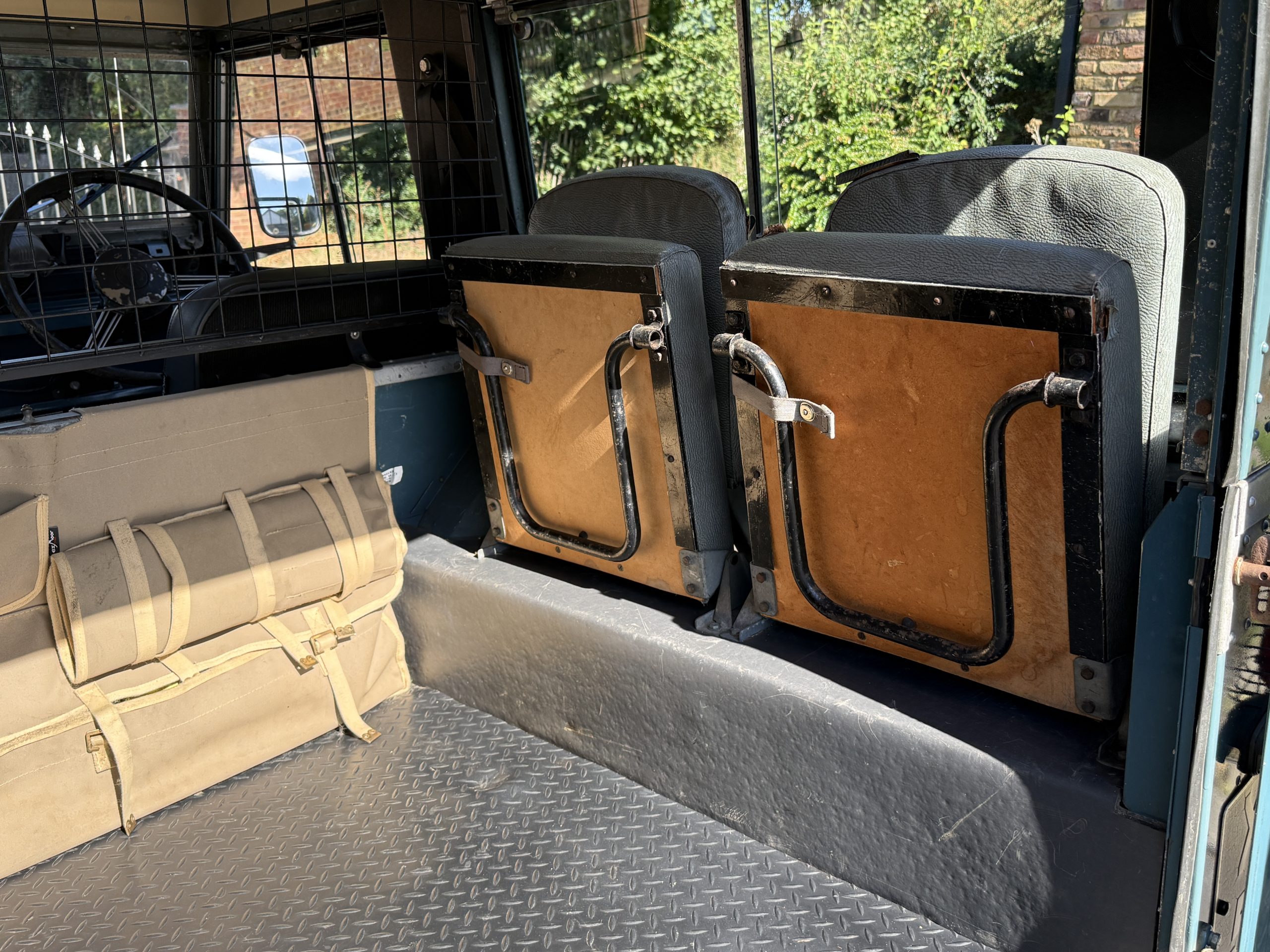
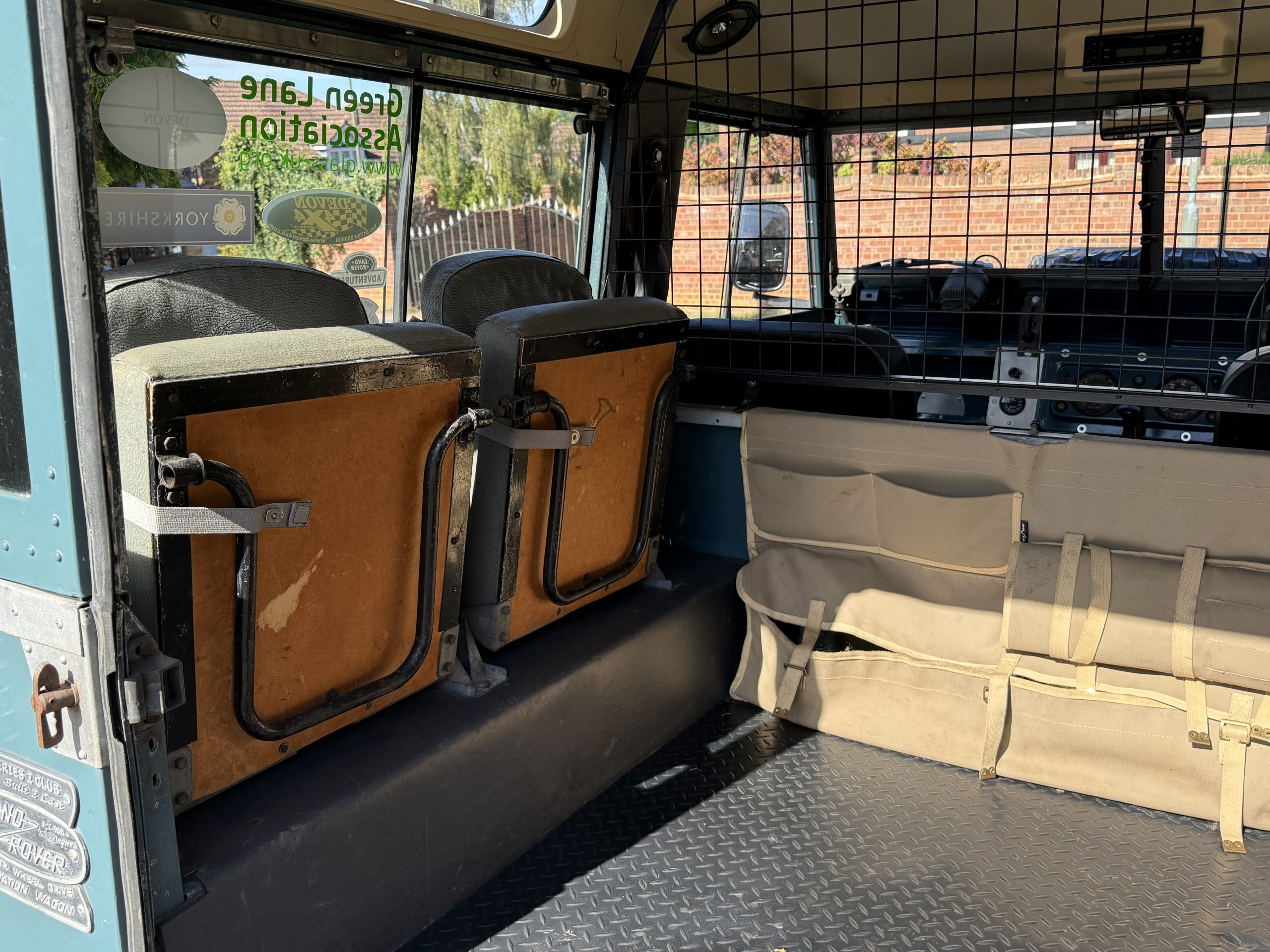
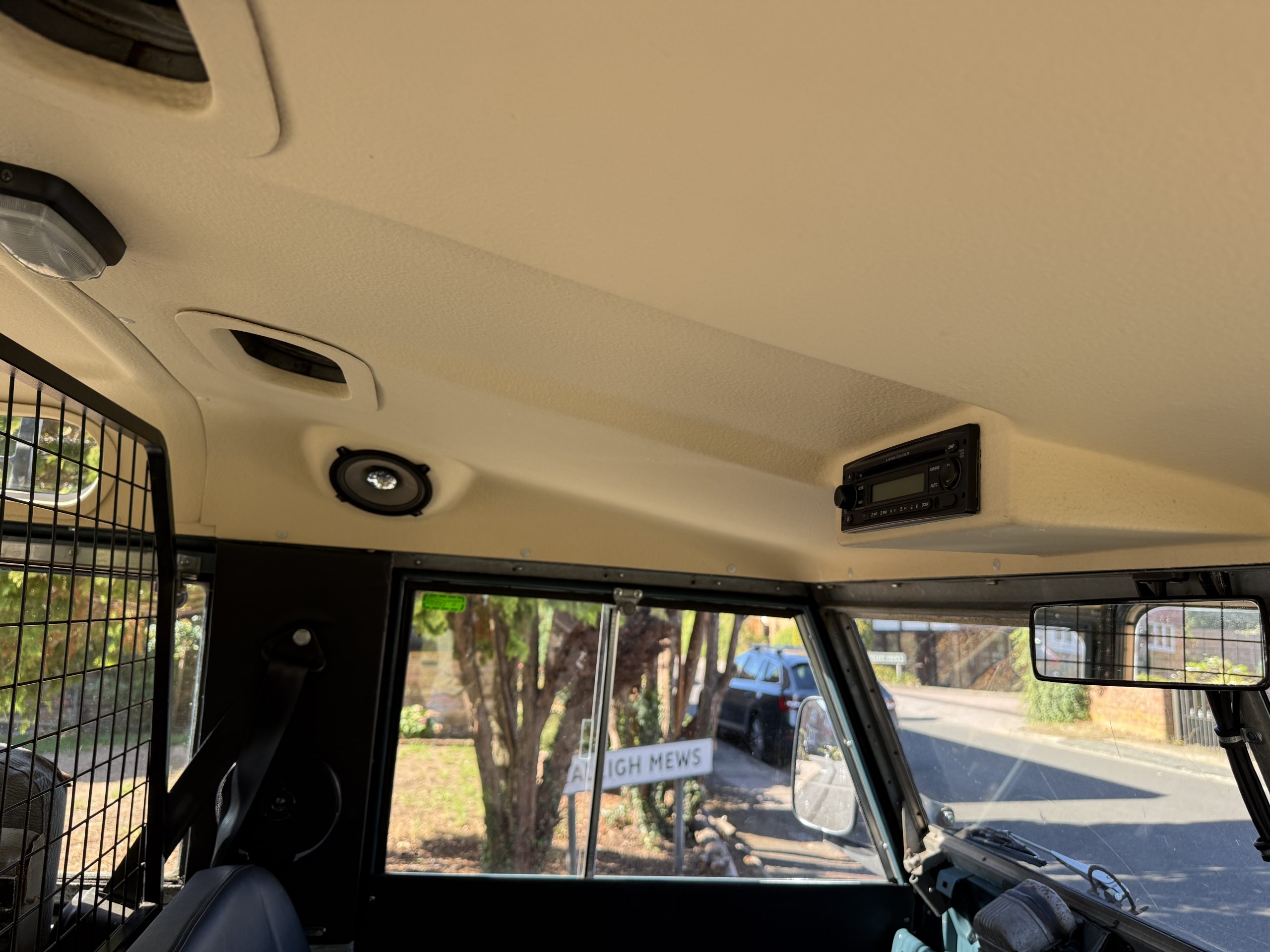
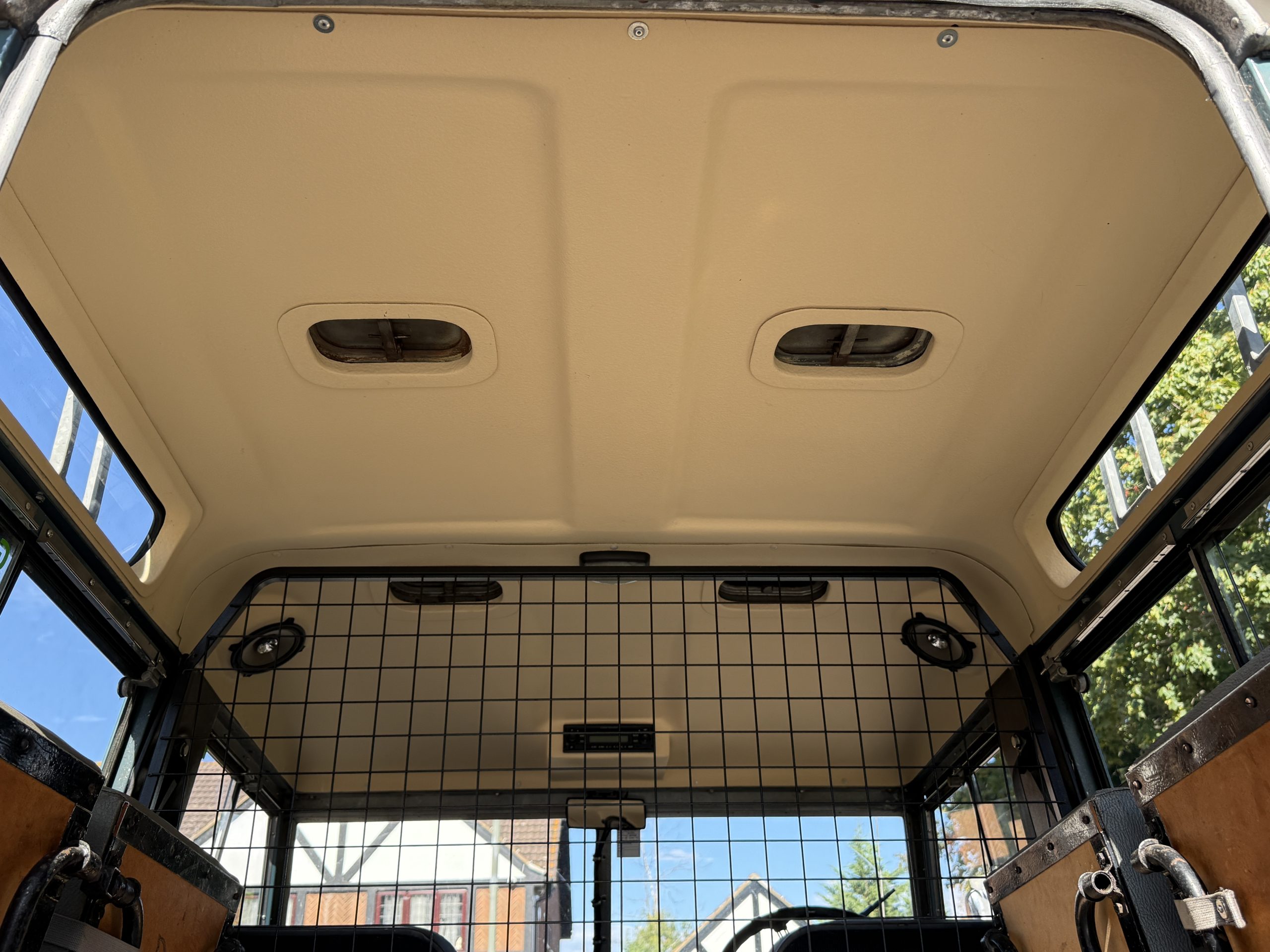
It is fitted with a LaSalle headlining, OEM Land Rover CD/radio and a full-height dog/load guard behind the front seats.
The front seats are in good usable condition and the original-style side-facing folding seats remain in the rear.
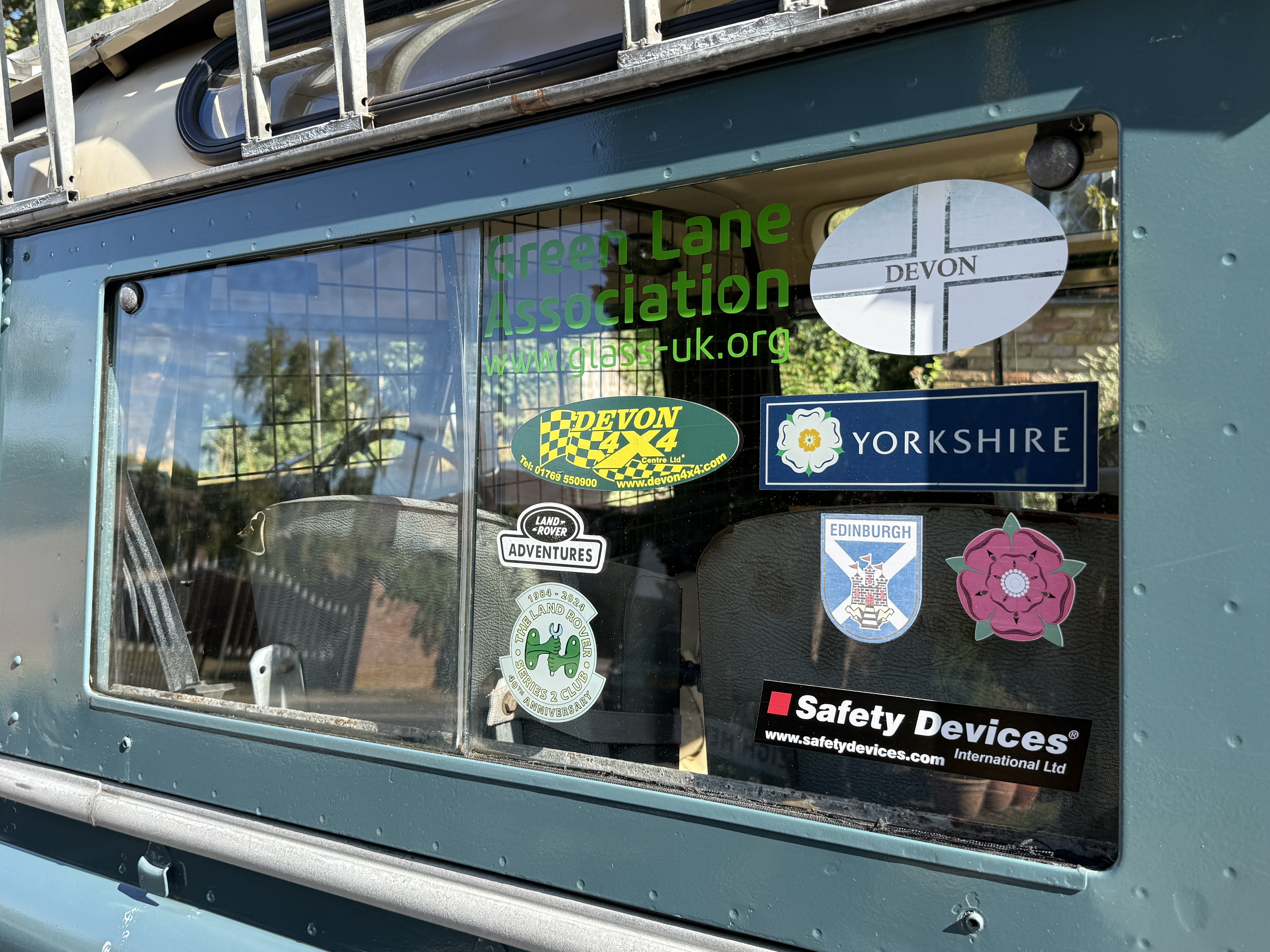
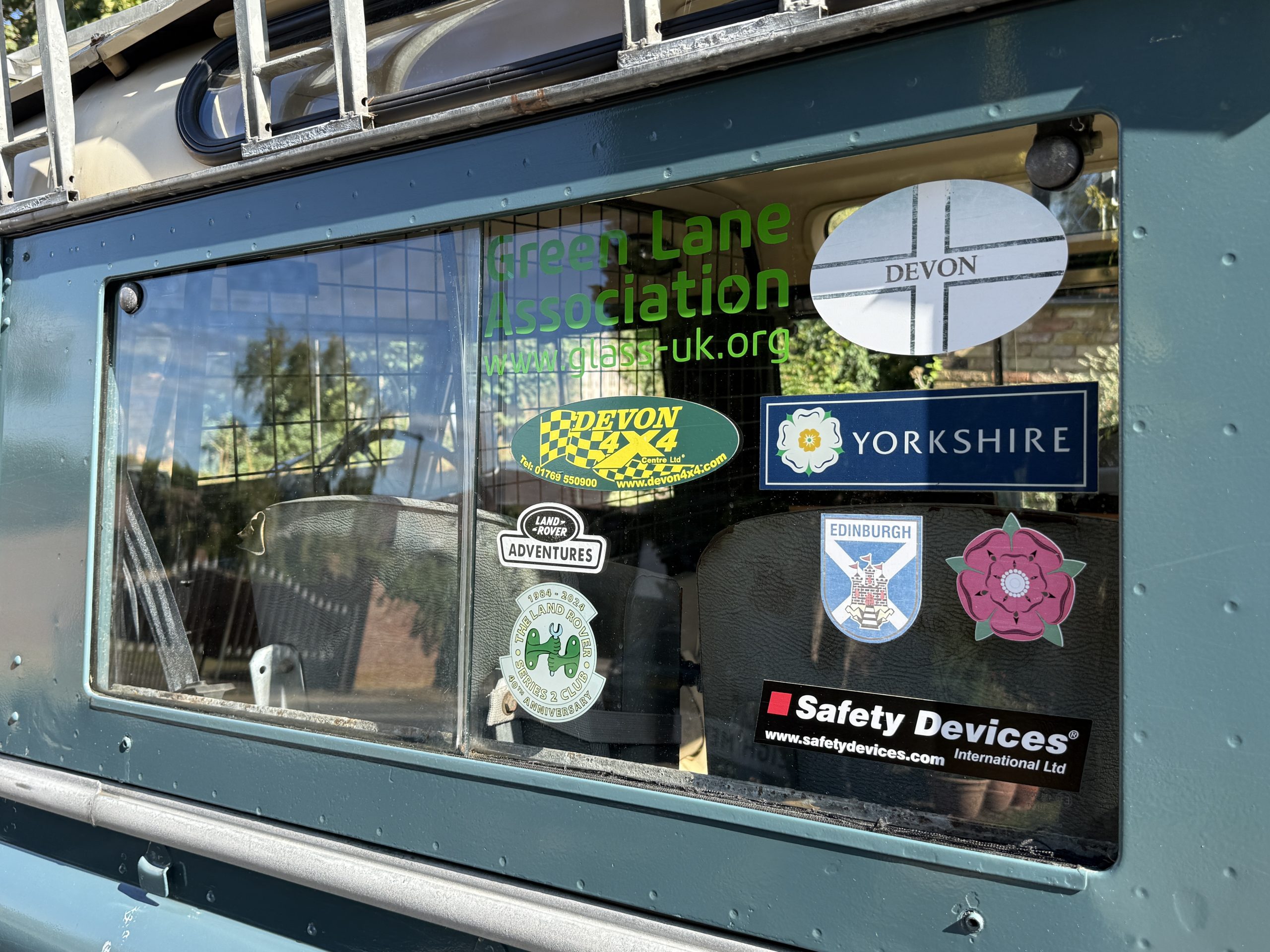
As with the exterior, there are signs of age and use. The steering wheel has considerable patina and the rear seats and load area show wear, all of which can be seen in the photographs.
Tyres
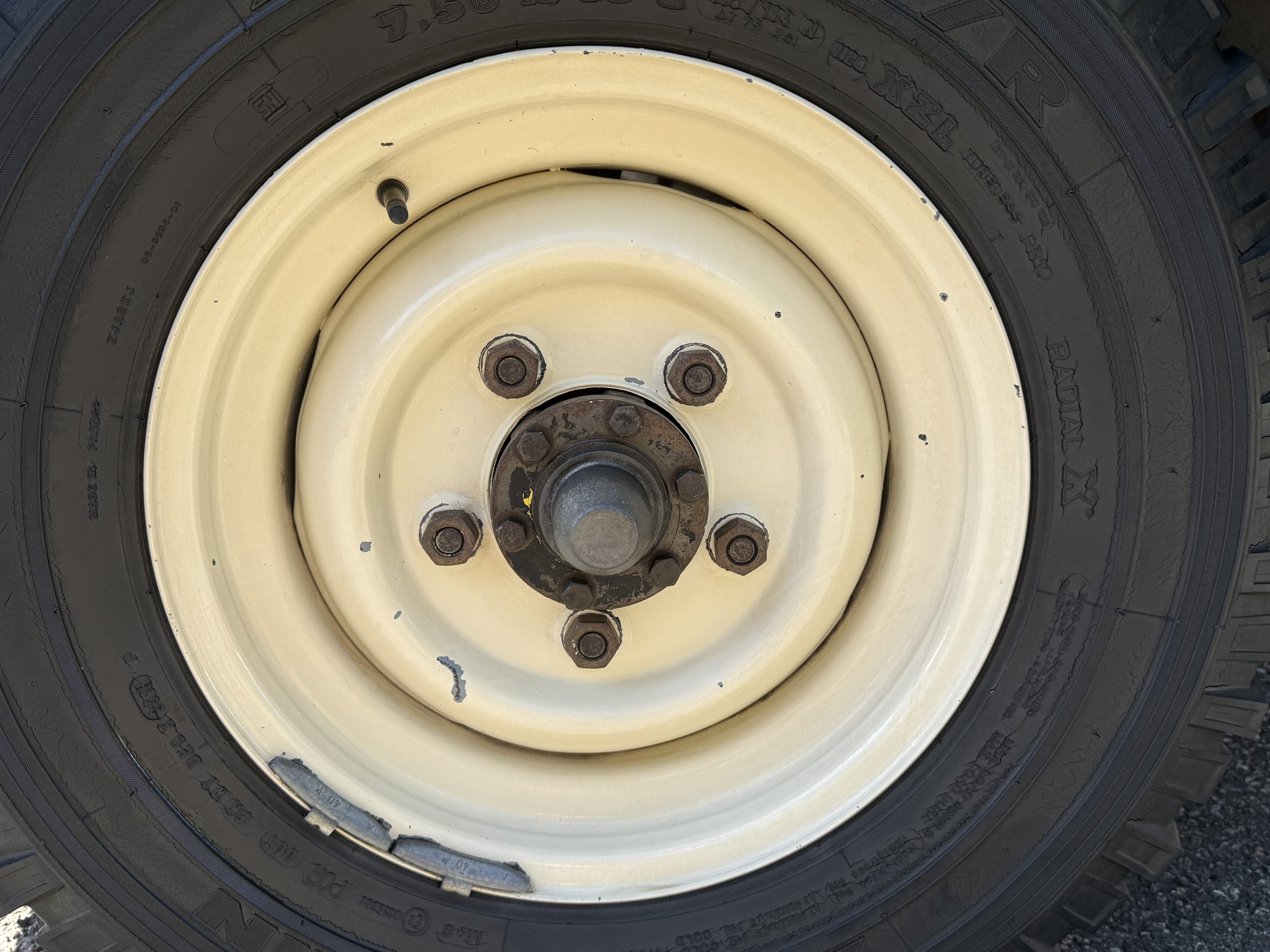
All five tyres are now due for replacement and this has been taken into account in setting the asking price.
I have deliberately not fitted a new set before selling because tyre choice on a Series Land Rover is quite personal. The next owner can therefore choose a traditional period-style tyre, something predominantly road-biased or a more capable all-terrain pattern depending on how they intend to use the vehicle.
History and paperwork
One of the strongest aspects of the vehicle is its history.
I have retained the invoices and receipts for the work carried out during my ownership, with documented expenditure totalling more than £32,000.
This includes work and components from recognised Land Rover specialists including Turner Engineering, Simmonites and Gigglepin 4×4, as well as the Richards chassis and numerous other mechanical and electrical components.
The £32,000 figure isn’t intended to suggest that money spent automatically translates into the same amount added to the value of the vehicle. Rather, the history file demonstrates the amount of work that has gone into the parts of an old Land Rover that really matter.
The vehicle is historic and therefore MOT and Vehicle Excise Duty and ULEZ exempt.
Overall
This is perhaps best described as a very well-sorted, extensively rebuilt and sympathetically upgraded Series IIA that has subsequently been used rather than preserved.
There are cheaper Series IIAs available, and there are beautifully painted restorations costing considerably more. This one sits somewhere in between.
The expensive structural and mechanical work has already been done, but its current cosmetic condition means the next owner needn’t be frightened of actually using it.
It starts, drives and has the character that makes an early Series Land Rover such an enjoyable thing to own, while the RoamerDrive, parabolic suspension, upgraded brakes, rebuilt drivetrain and other improvements make it considerably more usable than a completely standard example.
I’m only selling because I am reducing my Land Rover collection and putting the money into my 110.
I would much rather somebody came to see and drive it than bought it on the strength of an over-polished description. Viewing is therefore very welcome, as is a proper inspection of the vehicle and its history file.
£17,995
While the Series 2 Club provides this webpage, it does not endorse any adverts nor can it guarantee their accuracy.